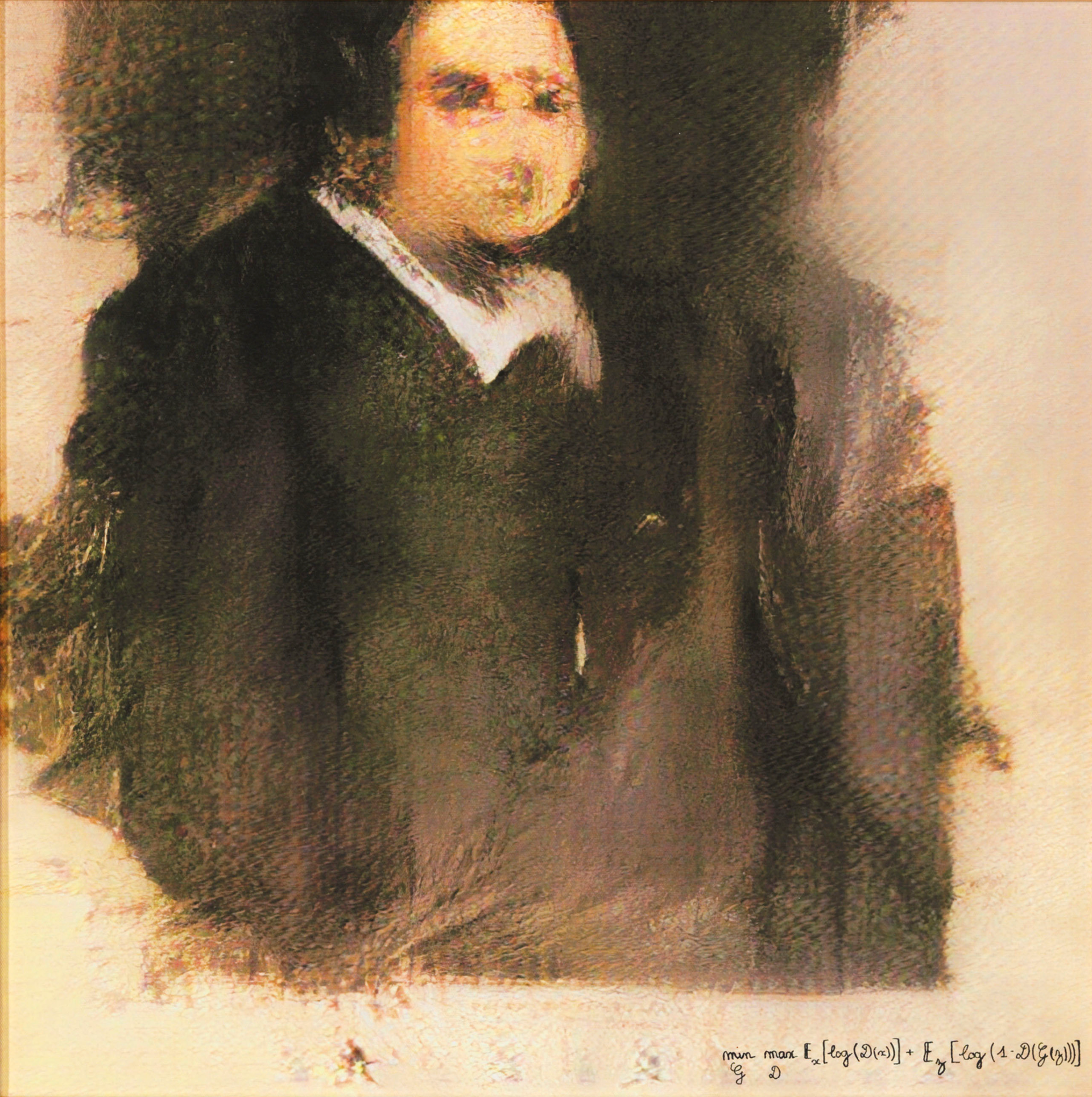
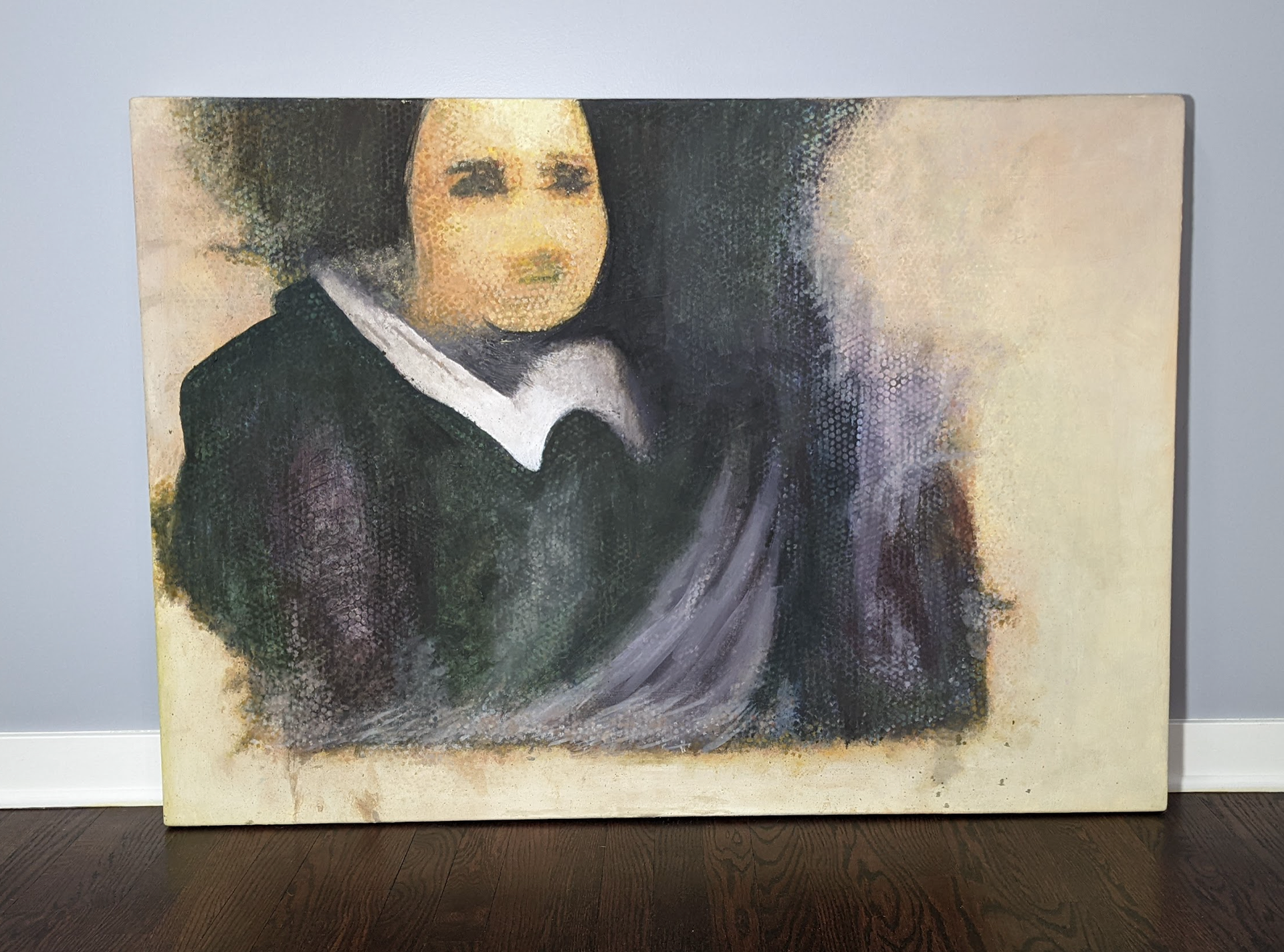
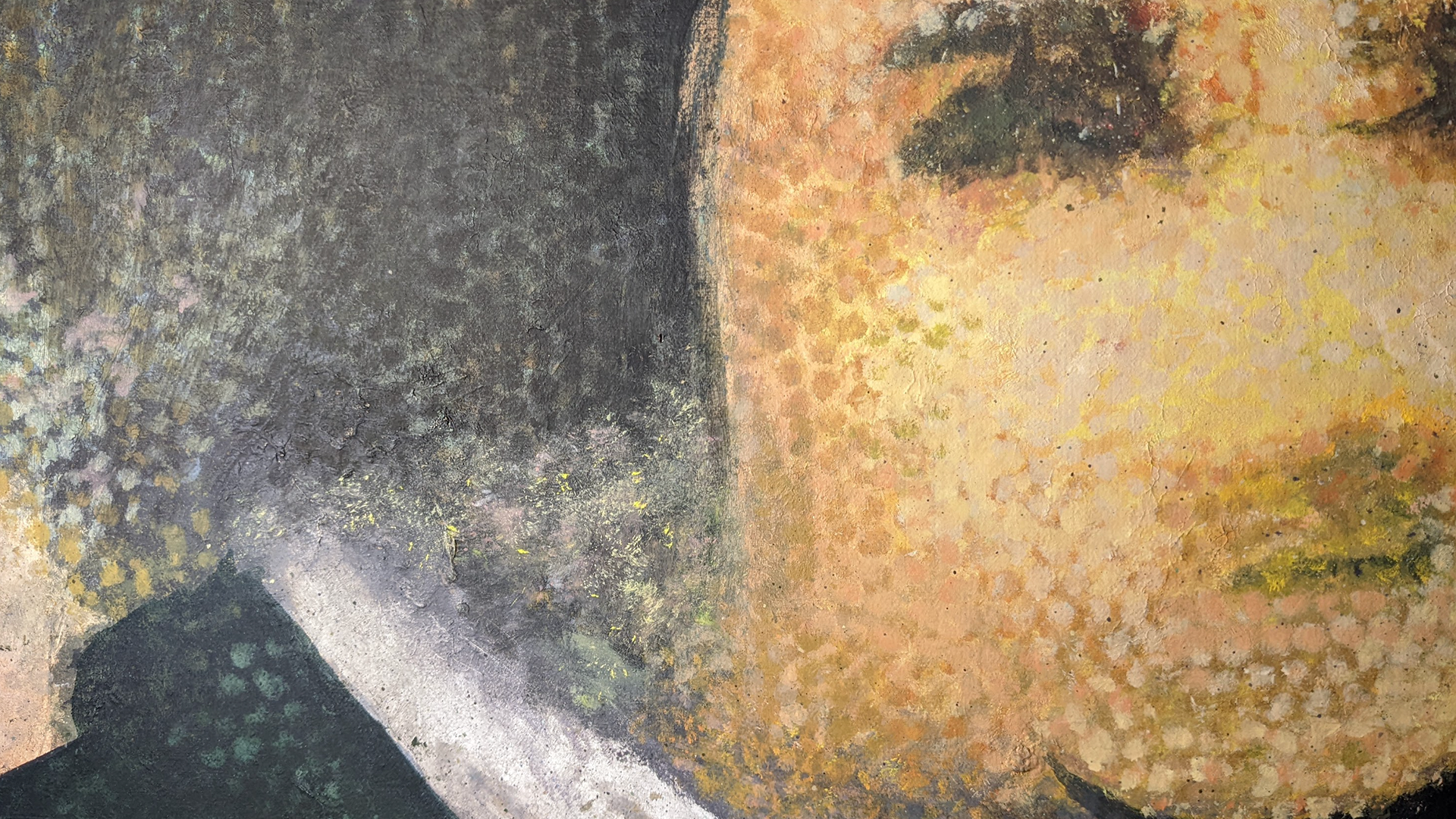
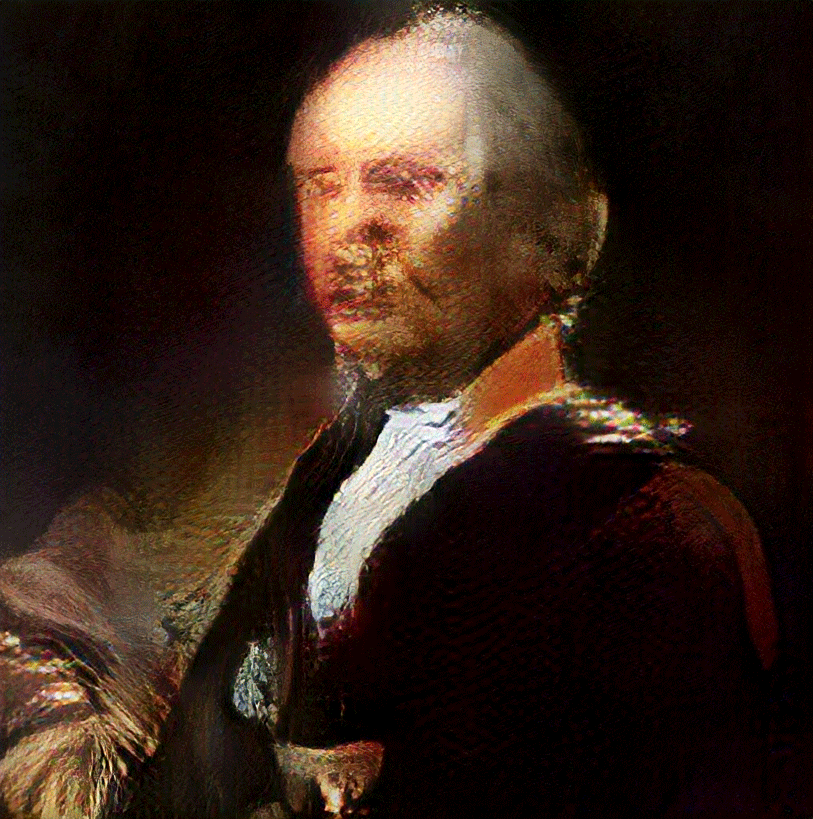
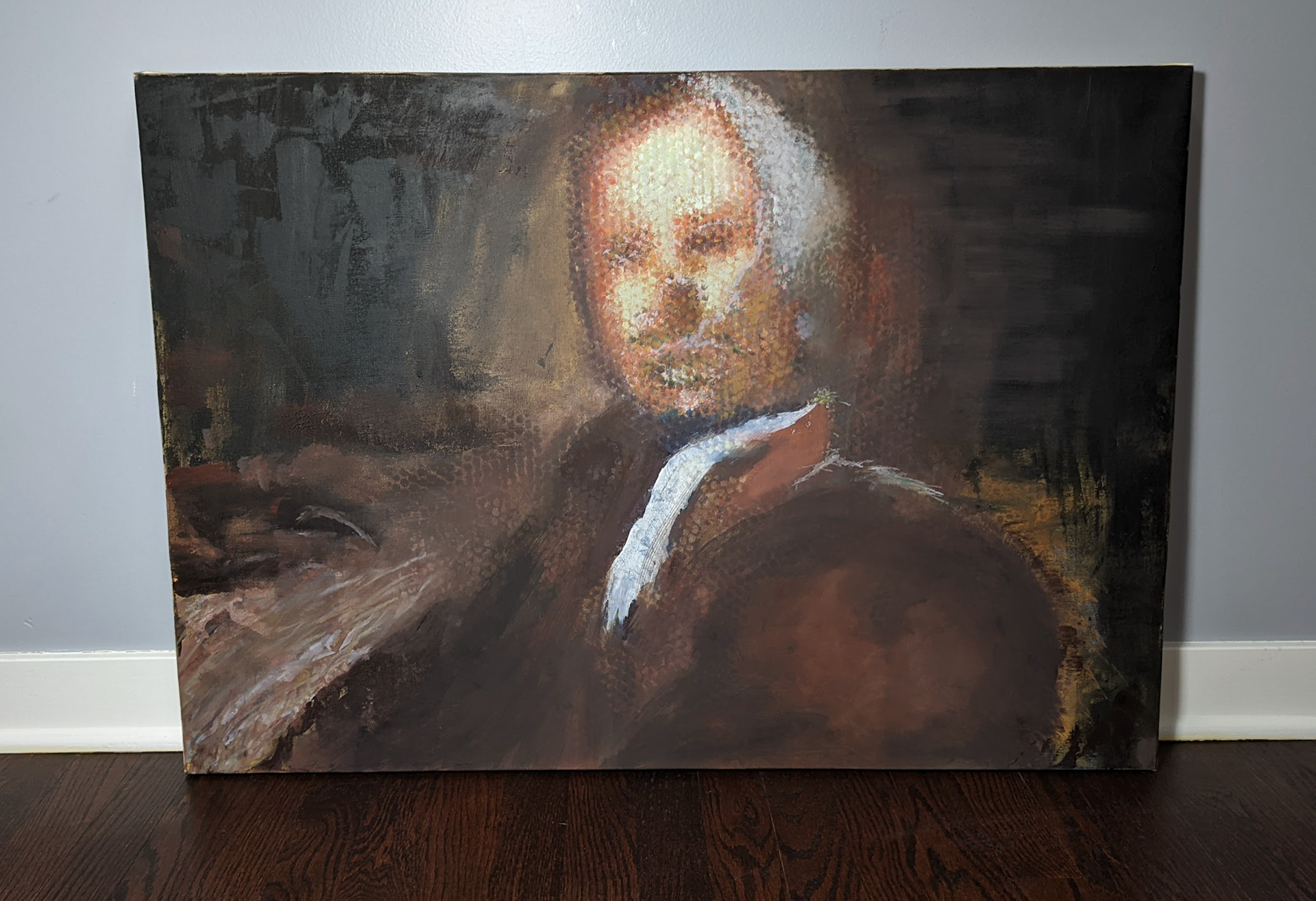
Artificial Intelligence "images" translated physically (oil on canvas). In brief, the images on the left in 'Edmond de Belamy' and 'Le Bron de Belamy' are produced by AI / ML and are among the first AI images sold at auction produced by ML. With existing data, we have trained AI/ML that a portrait is a colonial white male. In the medium of the paintings, I reiterate this training, in hope of bringing it to a new frame. I also question if these "images" can be described as such under our traditional definitions of optics, light, and understandings of the term, within the context of code-generated images.
Edmond de Belamy (Original copy of Obvious Studio)
62x40" (01 left "original," 02-03 right, oil on canvas, fall 2018)
62x40" (01 left "original," 02-03 right, oil on canvas, fall 2018)
Mimicking the mimic technology
This project interrogates the early products of Generative Adversarial Networks (GANs) and early AI images through the act of oil painting. I mimicked the machine's output—specifically Edmond de Belamy, the first AI-generated image sold at auction—by reproducing it as a traditional oil painting. The image was originally generated by a teenager, Robbie Barrat, whose code produced the portrait from datasets of "oil paintings" that the machine interpreted to mean colonial white men—the dominant subjects of the "portrait" category in early training data. The code was later printed and sold at auction by a Paris studio without credit to Barrat.
This project interrogates the early products of Generative Adversarial Networks (GANs) and early AI images through the act of oil painting. I mimicked the machine's output—specifically Edmond de Belamy, the first AI-generated image sold at auction—by reproducing it as a traditional oil painting. The image was originally generated by a teenager, Robbie Barrat, whose code produced the portrait from datasets of "oil paintings" that the machine interpreted to mean colonial white men—the dominant subjects of the "portrait" category in early training data. The code was later printed and sold at auction by a Paris studio without credit to Barrat.
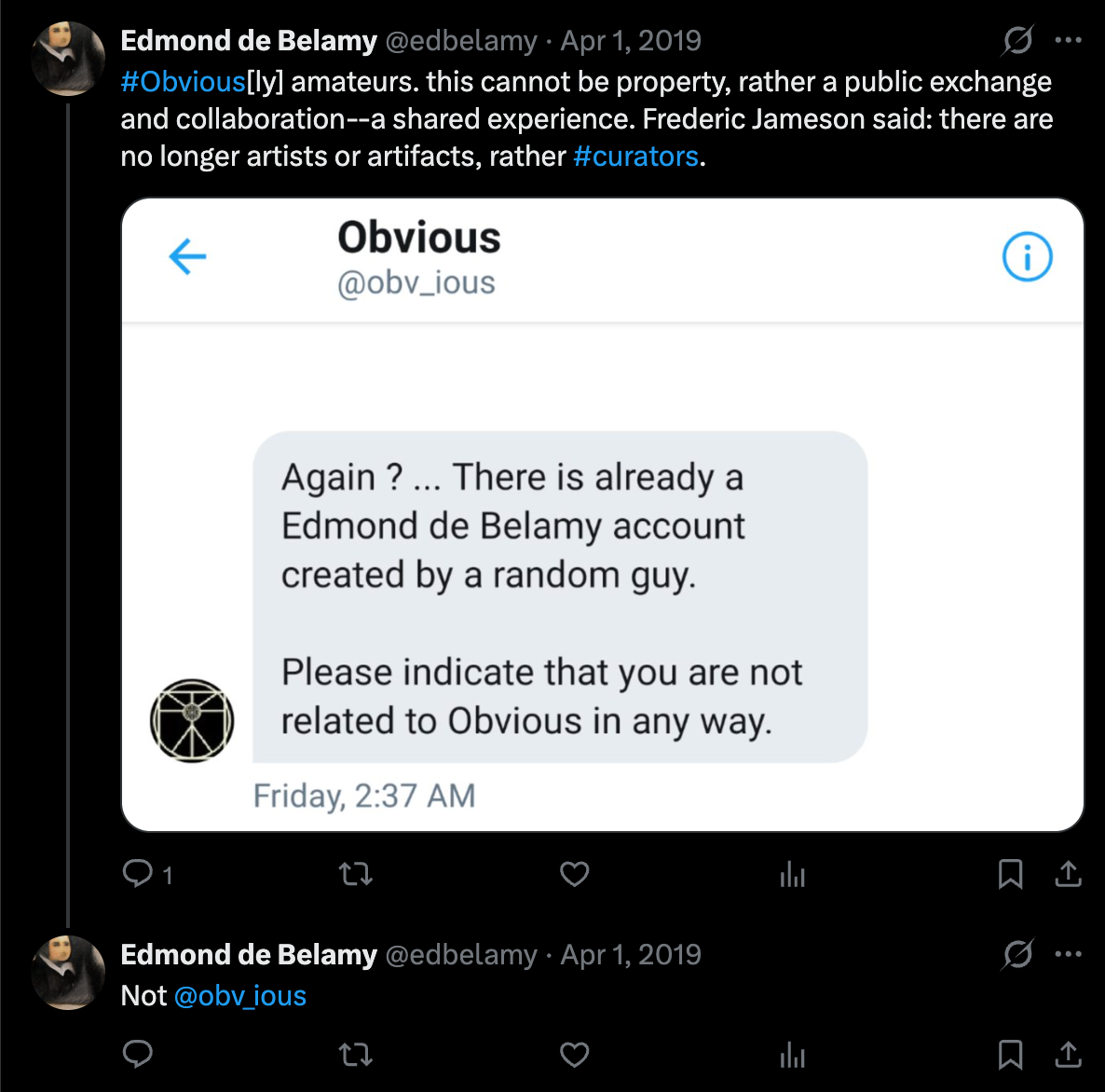
My painting asks: what is an image if it is not created in our understanding of image as light and optics, but by statistical recombination? In mimicking the machine, I reversed the expected direction of influence: the human mimicking the machine, rather than the machine mimicking the human. This, to expose the biases embedded in algorithmic production. I transformed the image into an entity, using social media to communicate with the Paris studio and question their appropriation of the teen's work, only to discover they were upset by my appropriation of “[their] image.” This recursive cycle of appropriation became the project's conceptual core, and spiraled into other paintings, including collaborations with early AI image makers.
The work functions as a pedagogical tool in my Visual Culture Seminar, where students engage with readings on image-making, authorship, and the ethics of emerging technologies. It demonstrates that AI simply recombines what humans have already invented, and that the human visual system reconstructs these recombinations as "artistic." This project positions mimicry as both method and critique, revealing the colonial, gendered, and economic structures embedded in the machines we train.


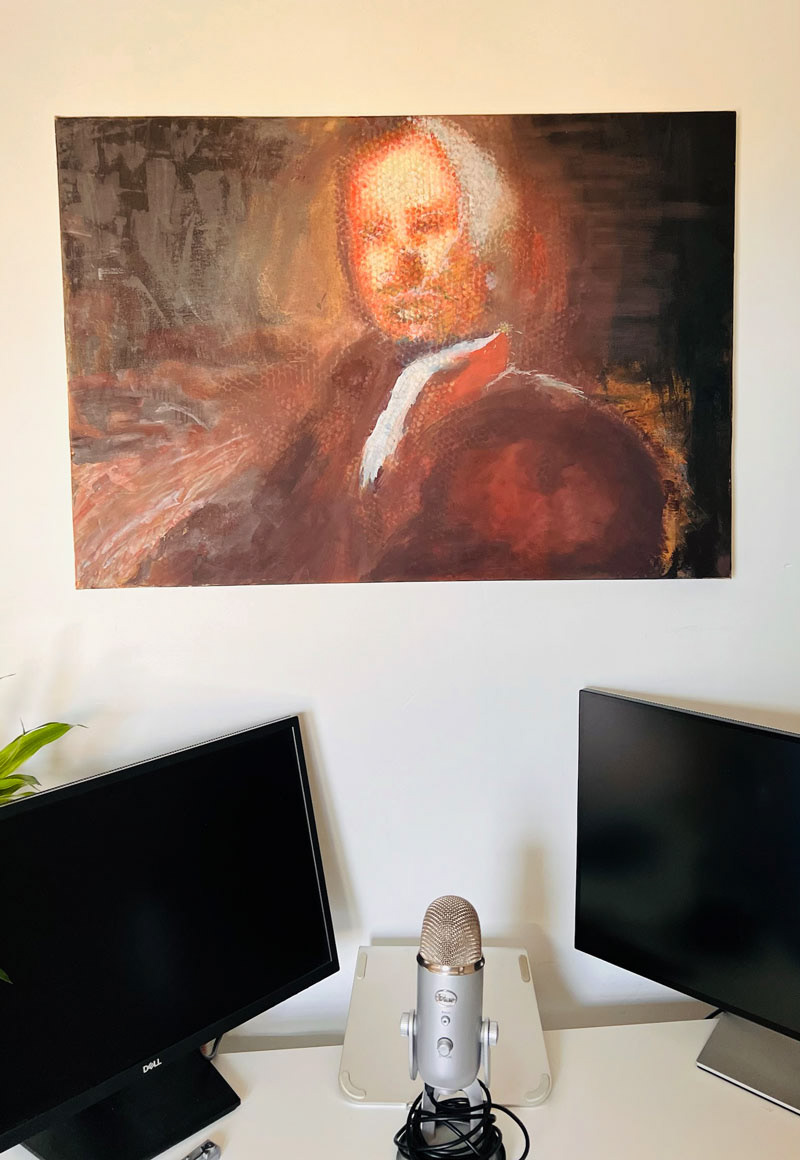
Le Baron de Belamy (Original copy, of Obvious Studio)
34x28" (01 left "original," 02-04 right, oil on canvas, summer 2019)
34x28" (01 left "original," 02-04 right, oil on canvas, summer 2019)

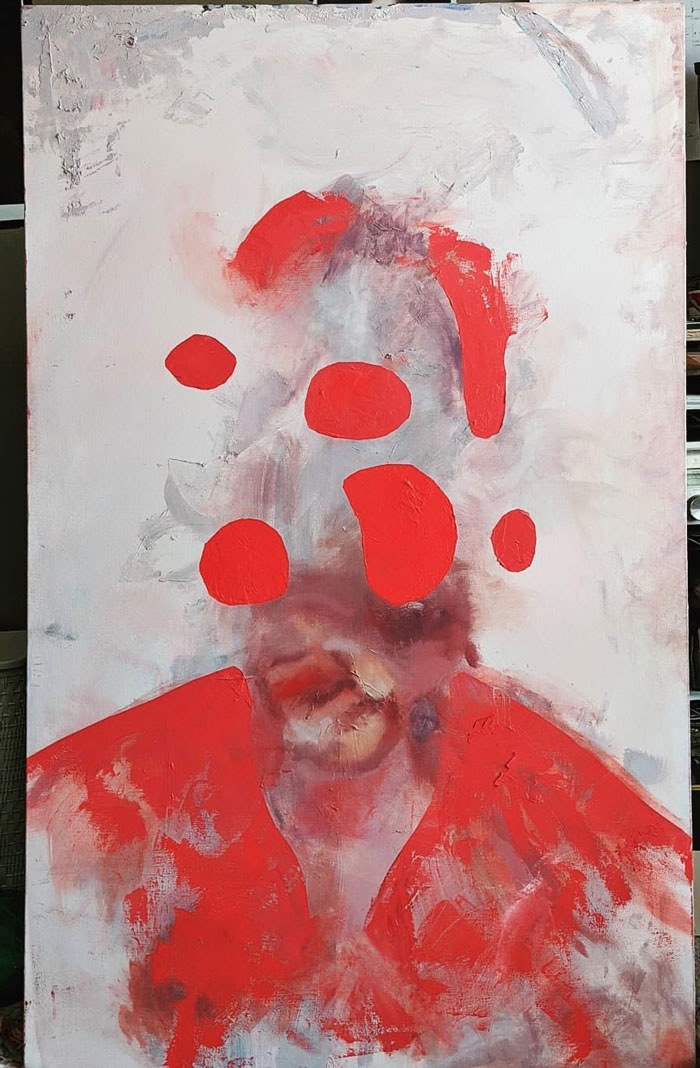
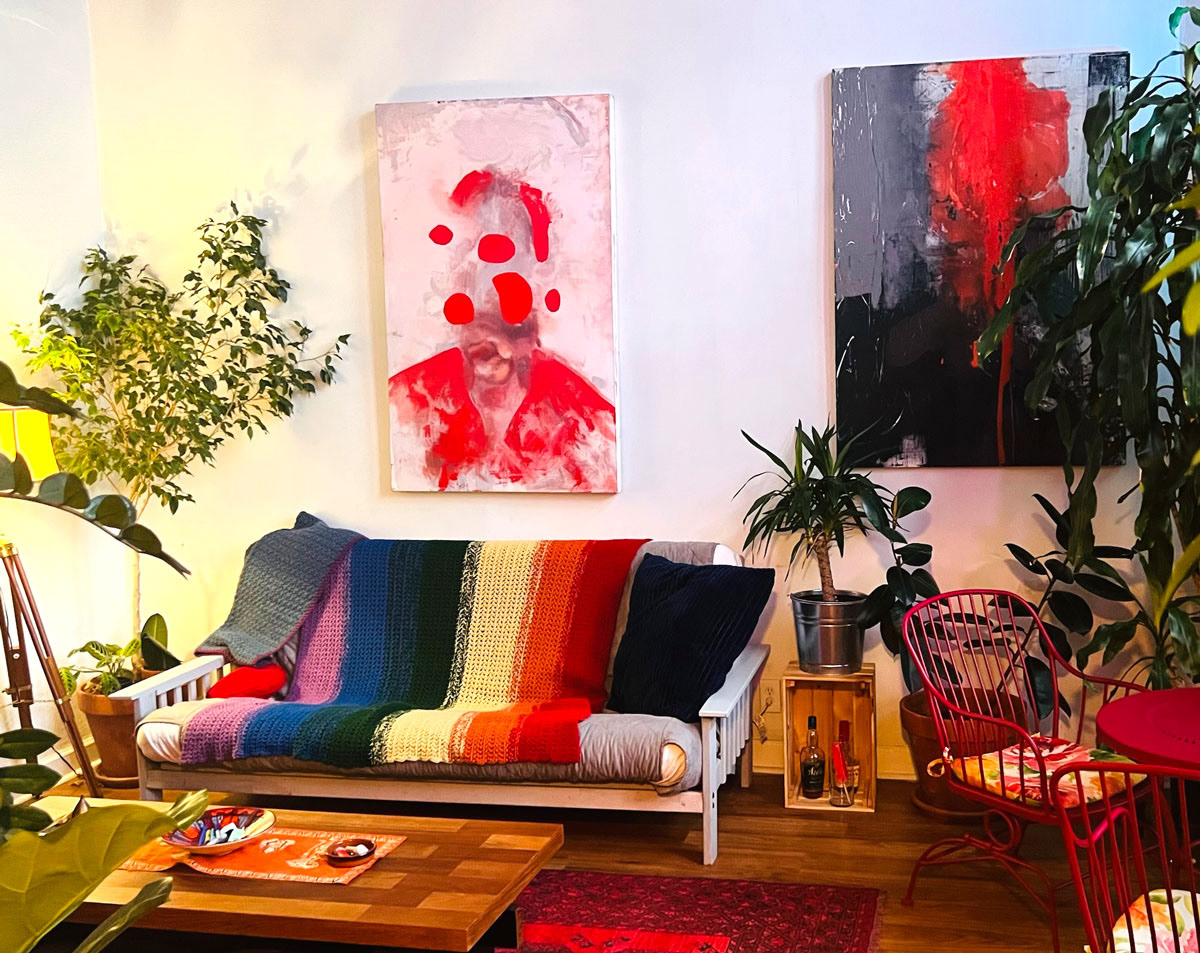
Grifting (Collaboration with @copy.png)
36x60 oil on canvas, summer 2019.
Left image is the digital img, developed in conversation with the
instagram-based artist. Right are the oil paintings.
36x60 oil on canvas, summer 2019.
Left image is the digital img, developed in conversation with the
instagram-based artist. Right are the oil paintings.


FrankenthalerBrafordRothko (Painting like AI using the styles of three prominent artist)
oil on canvas, 2022
If I "copy" the style of artists in the same way as AI, will it be viewed in the same way as AI "stealing" artists' work?
oil on canvas, 2022
If I "copy" the style of artists in the same way as AI, will it be viewed in the same way as AI "stealing" artists' work?

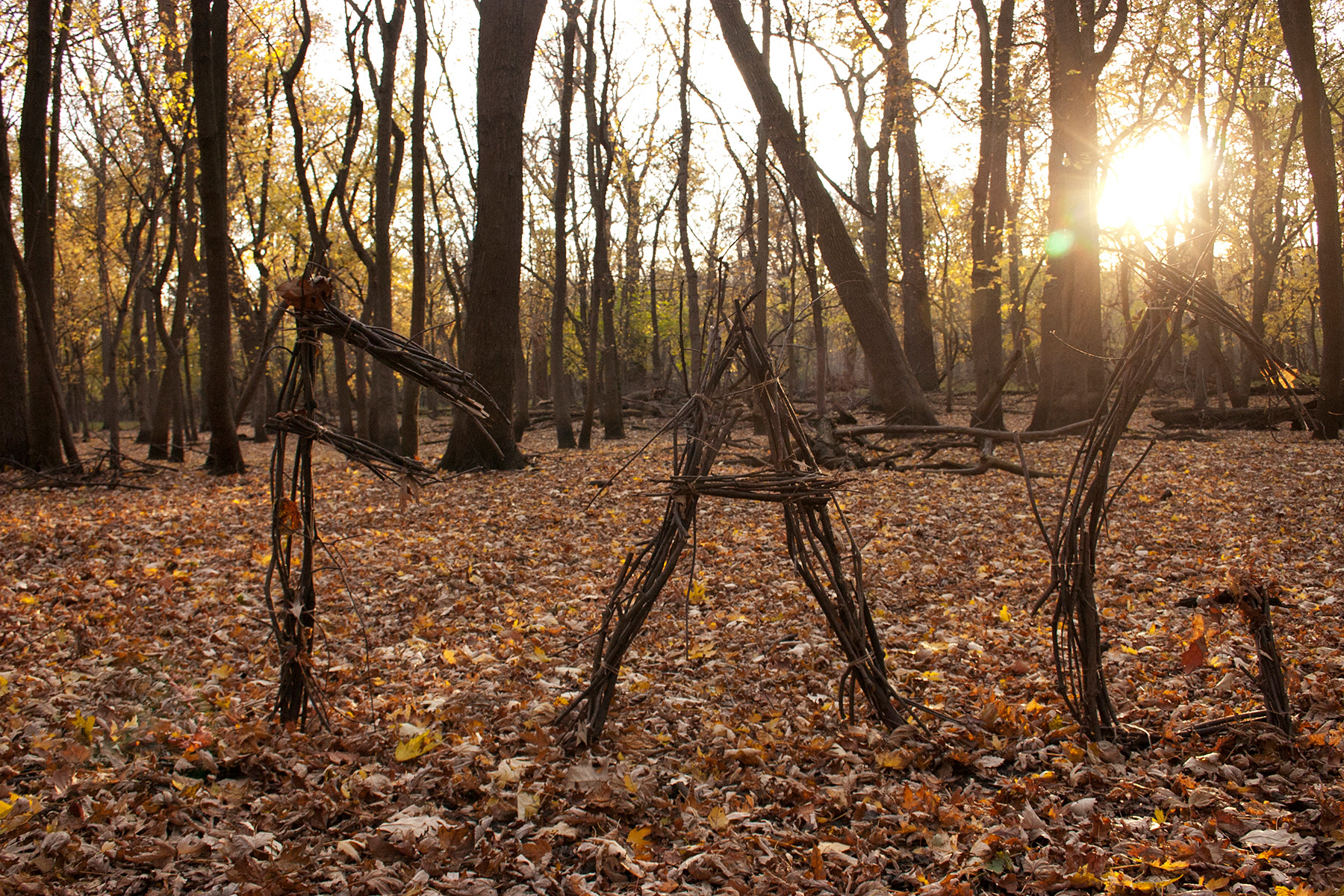
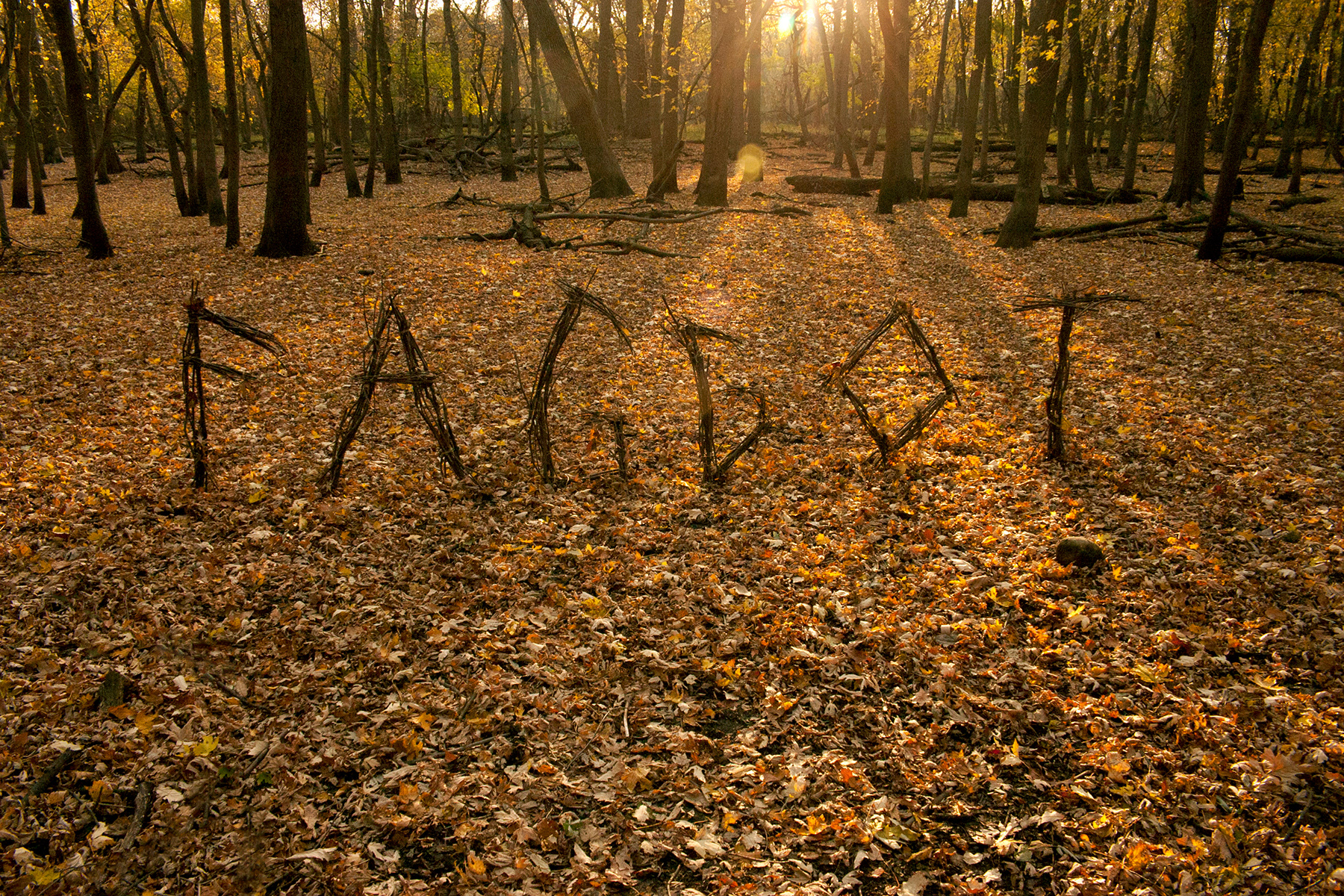
HOMOnym (Sticks and Stones)
Sticks, rocks, twine, digital image, 2012
Sticks, rocks, twine, digital image, 2012
Peaking in the 17th and 18th centuries, homosexuality (deemed ‘faggotry') was punishable by death in the British Empire and Colonial Americas, where the pejorative term originated. Homosexuals and gender non-conforming people were often burned at the stake, over ‘faggots’ or bundles of sticks. This, in reference to the bodies of gay and queer people seen as nothing more than kindling or fire-starter.
Though this is not a "joke" I was interested in people's response to the work, often as laughter. I enjoy this as a great invitation to art conversation. As my thesis work for the School of the Art Institute of Chicago's undergraduate BFA show, the work was taken down per student demand in a smaller show prior to the BFA exhibition. When I finally identified myself as a gay man, the work was validated by my peers and allowed to stay in said show. At the time, I was a designer for the institution's publication where I wrote about my experience, challenging my peers in conversations about freedom of speech and expression, and identity politics at the university. In 2012 the school only had one rule of art practice: No fire.
Though this is not a "joke" I was interested in people's response to the work, often as laughter. I enjoy this as a great invitation to art conversation. As my thesis work for the School of the Art Institute of Chicago's undergraduate BFA show, the work was taken down per student demand in a smaller show prior to the BFA exhibition. When I finally identified myself as a gay man, the work was validated by my peers and allowed to stay in said show. At the time, I was a designer for the institution's publication where I wrote about my experience, challenging my peers in conversations about freedom of speech and expression, and identity politics at the university. In 2012 the school only had one rule of art practice: No fire.

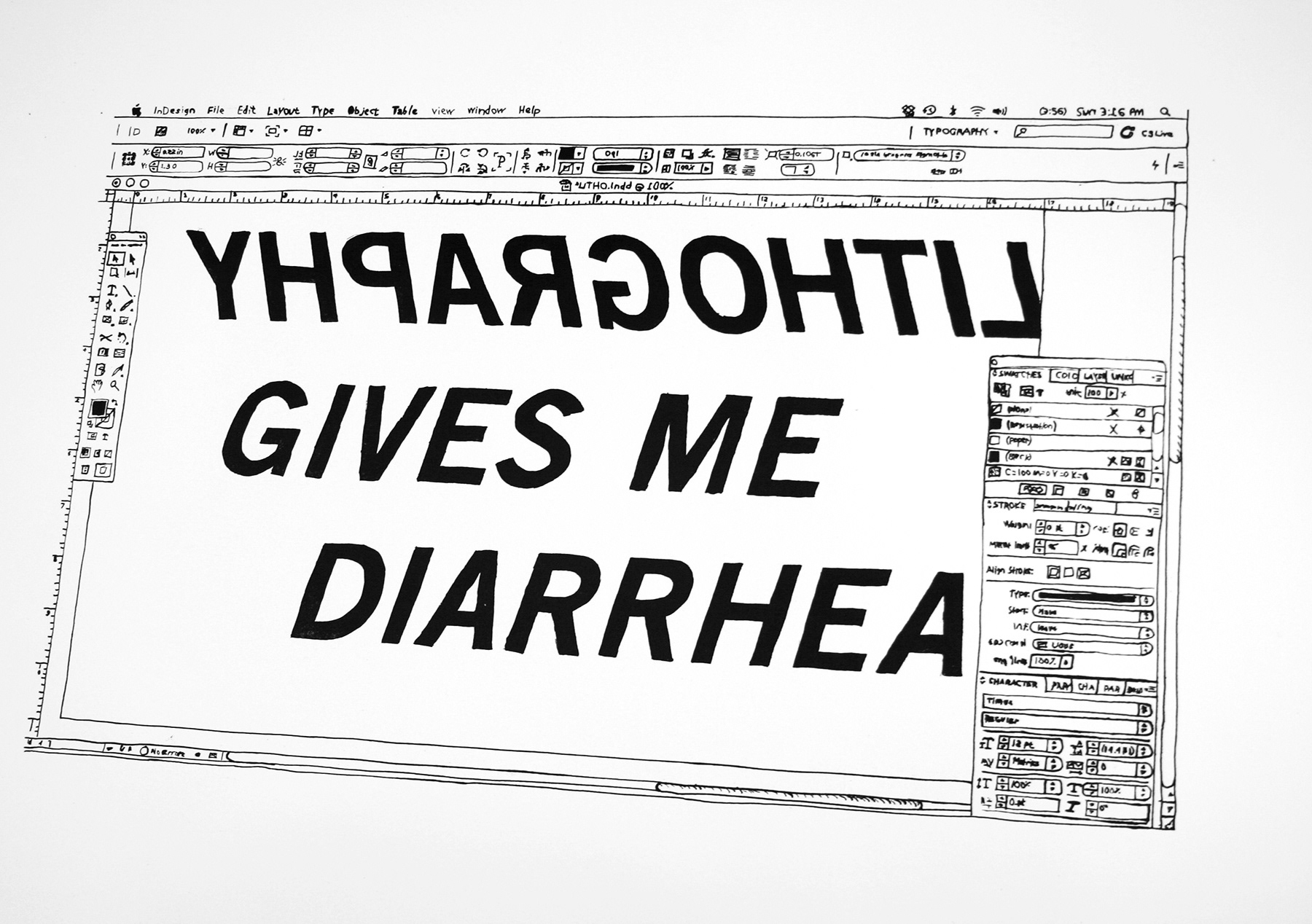
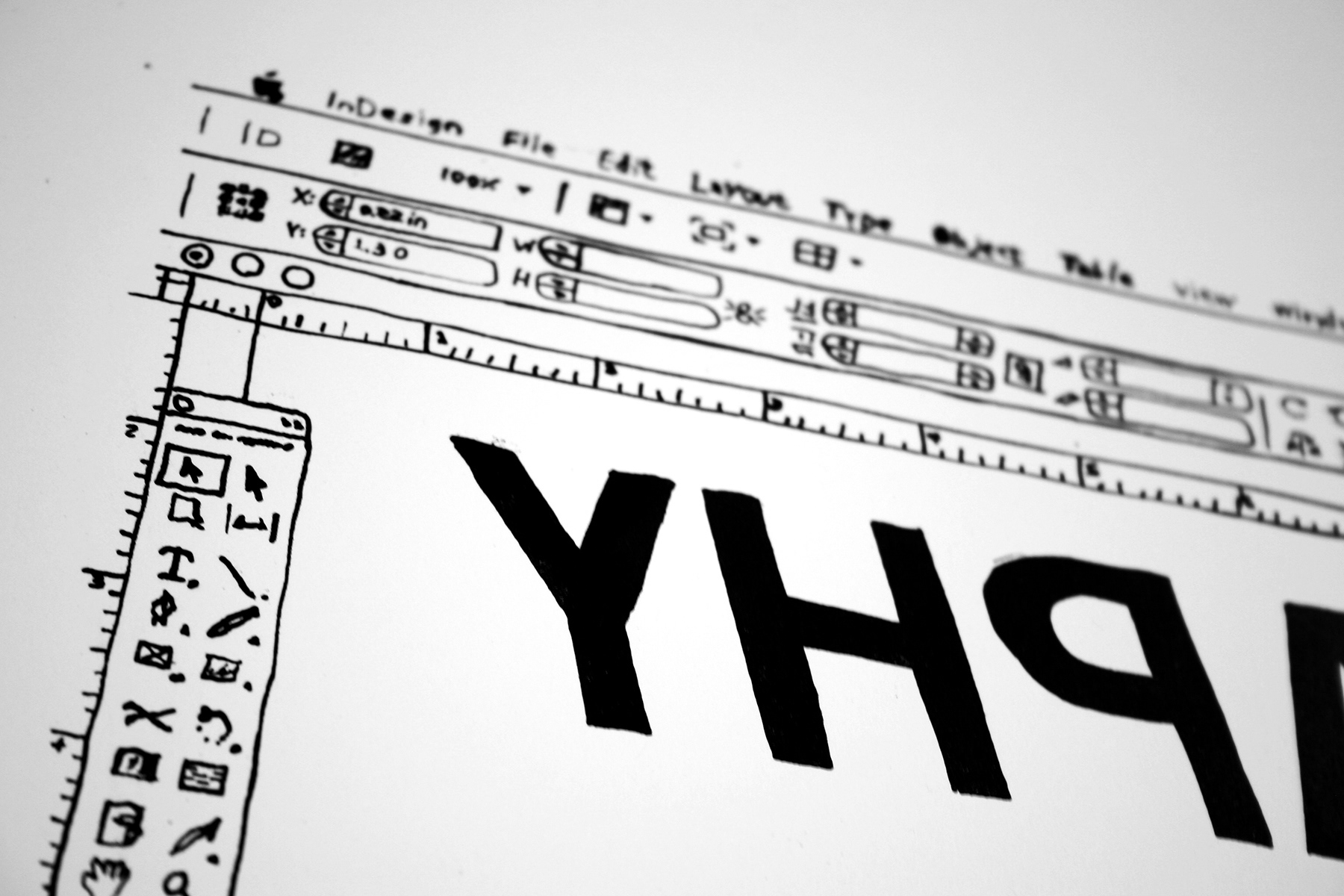
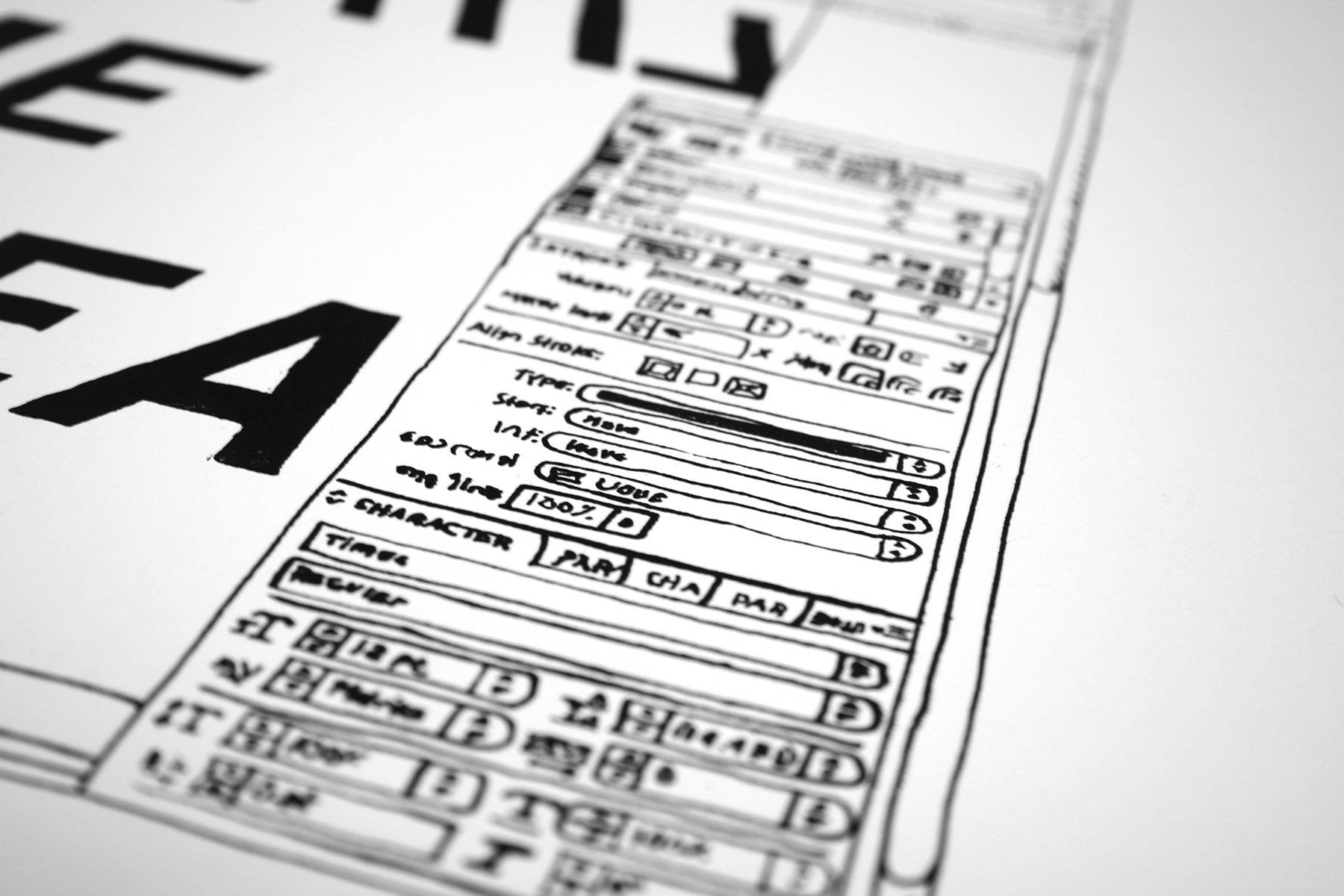
⌘Z (First and Last Lithograph)
24 x 17, Edition of 17, ©2012
24 x 17, Edition of 17, ©2012
The difference between jokes and questions
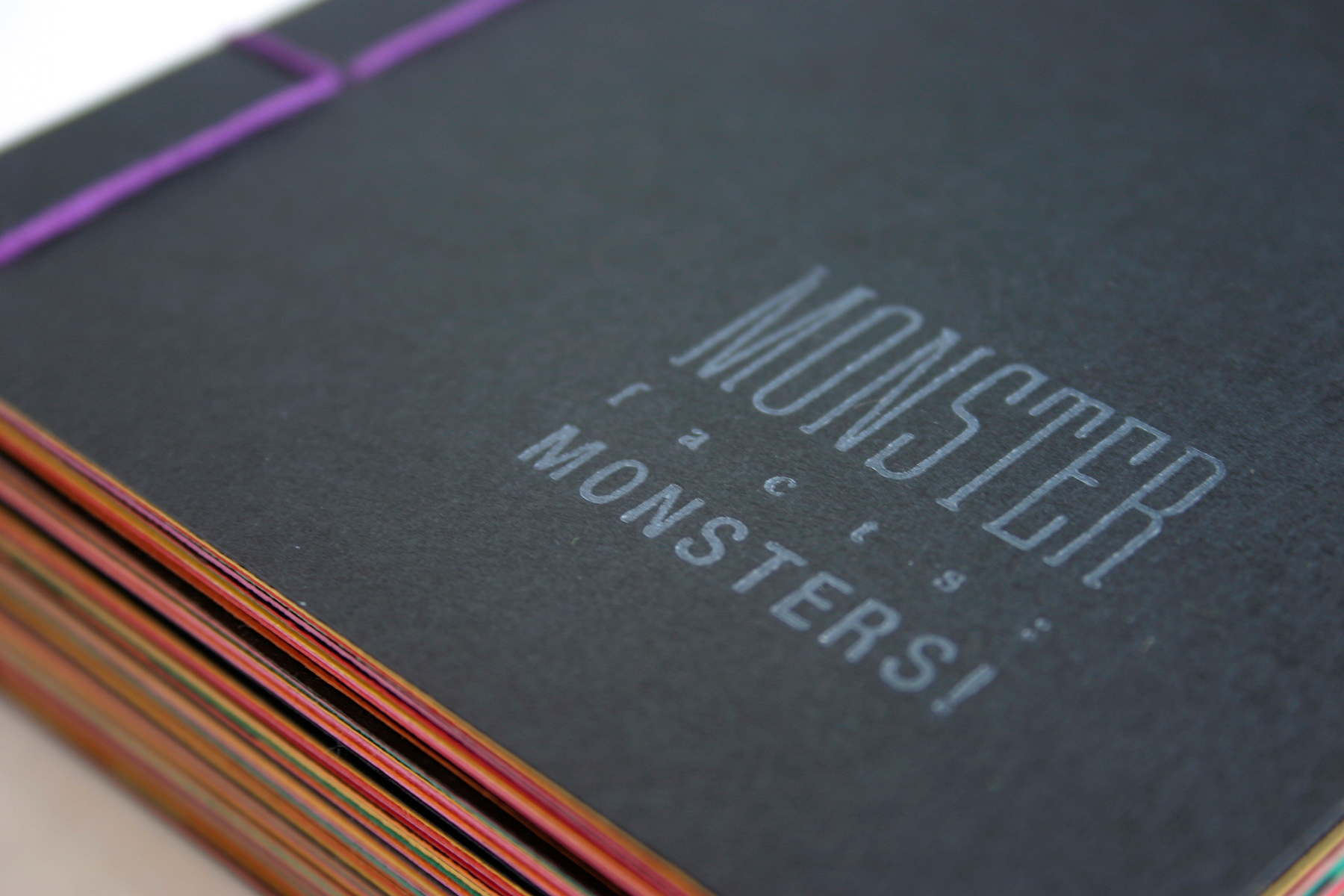
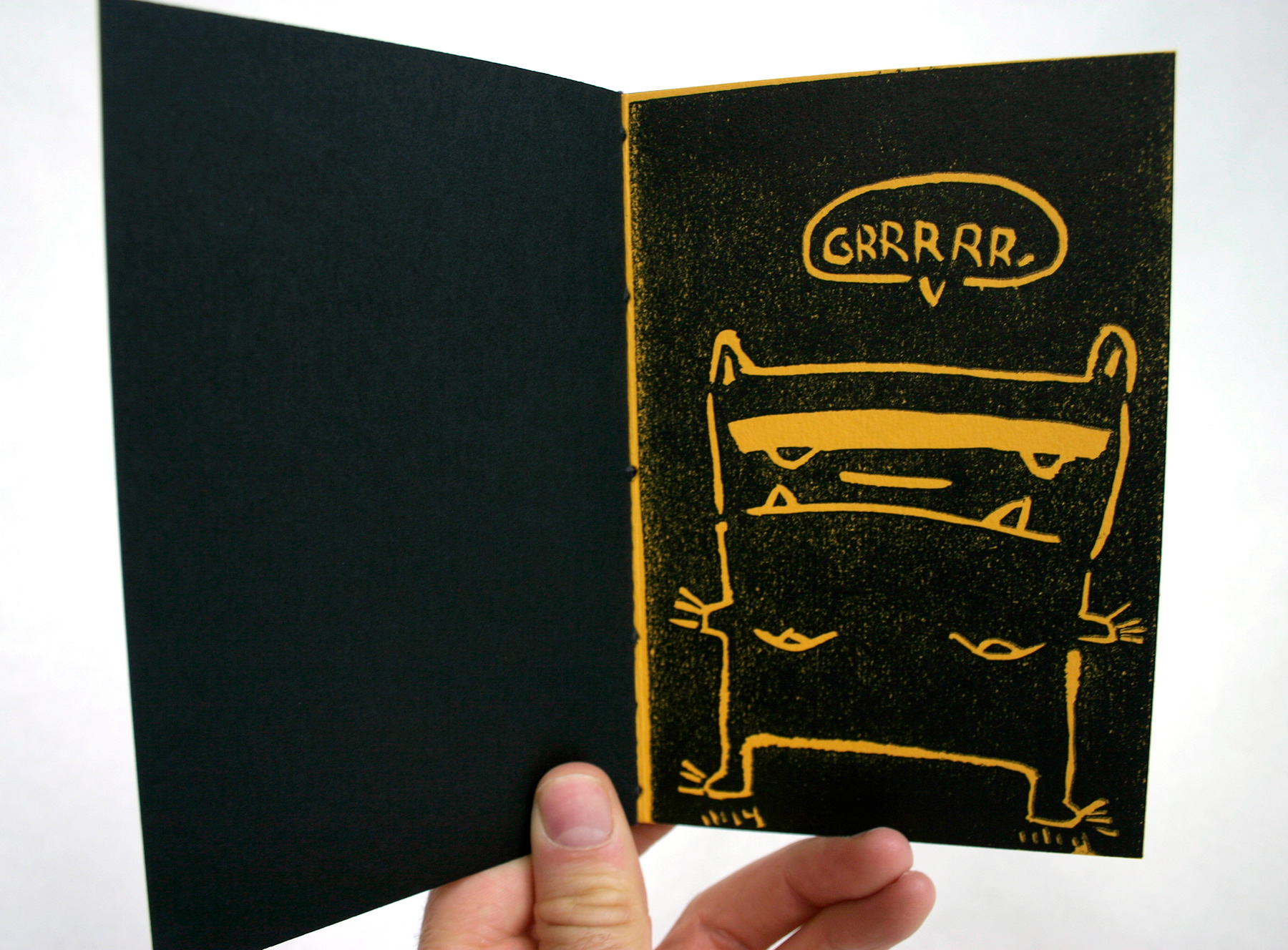
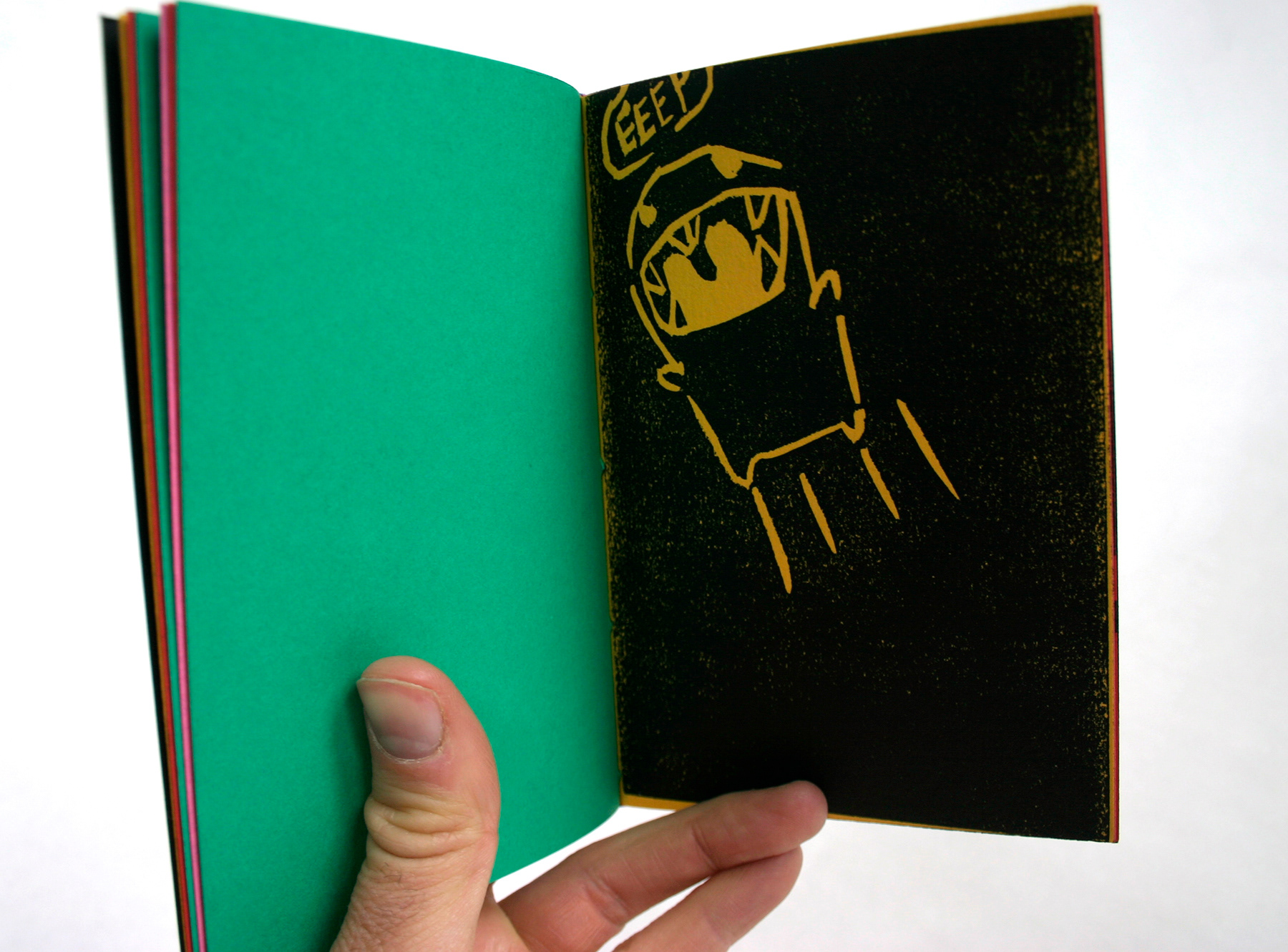
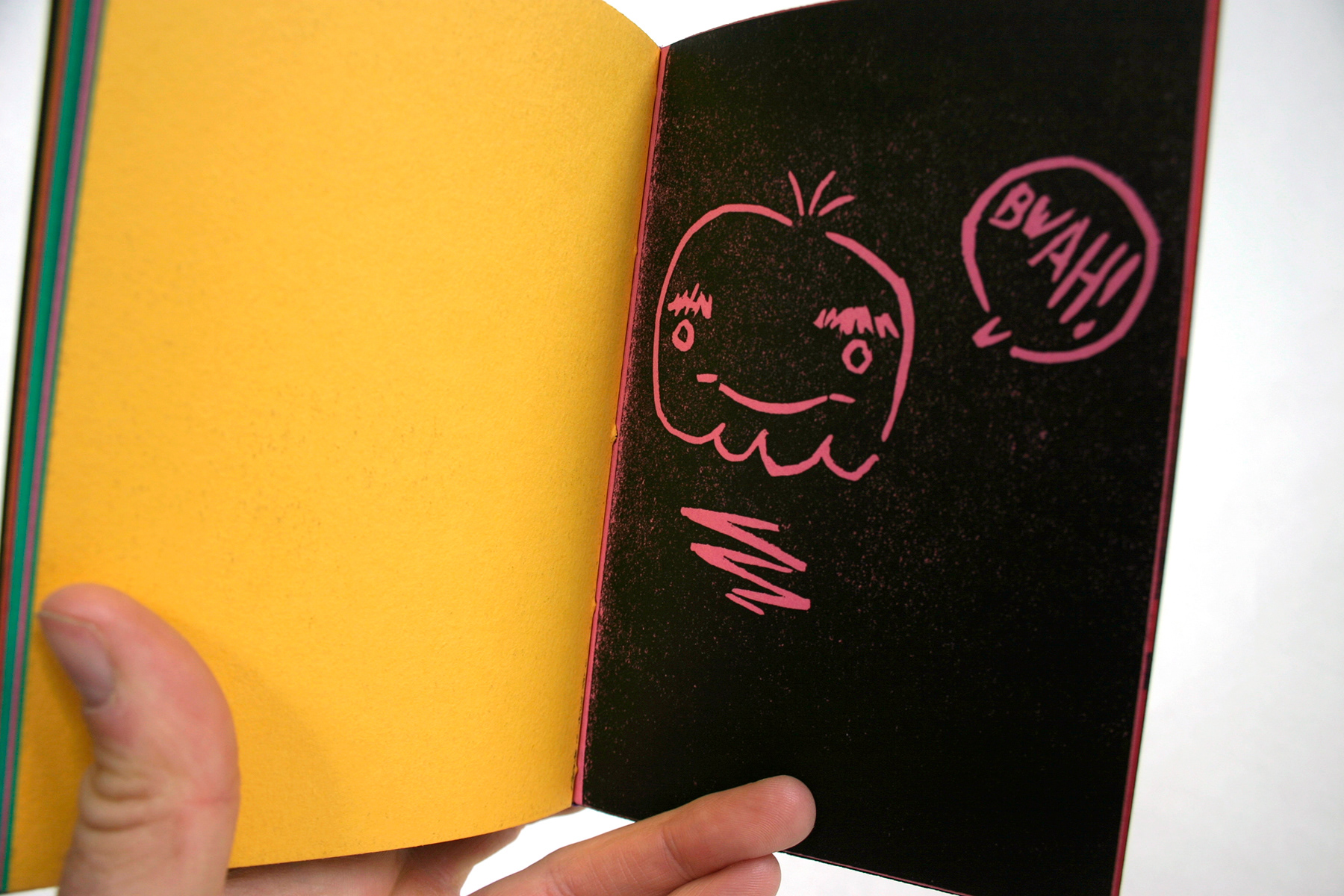
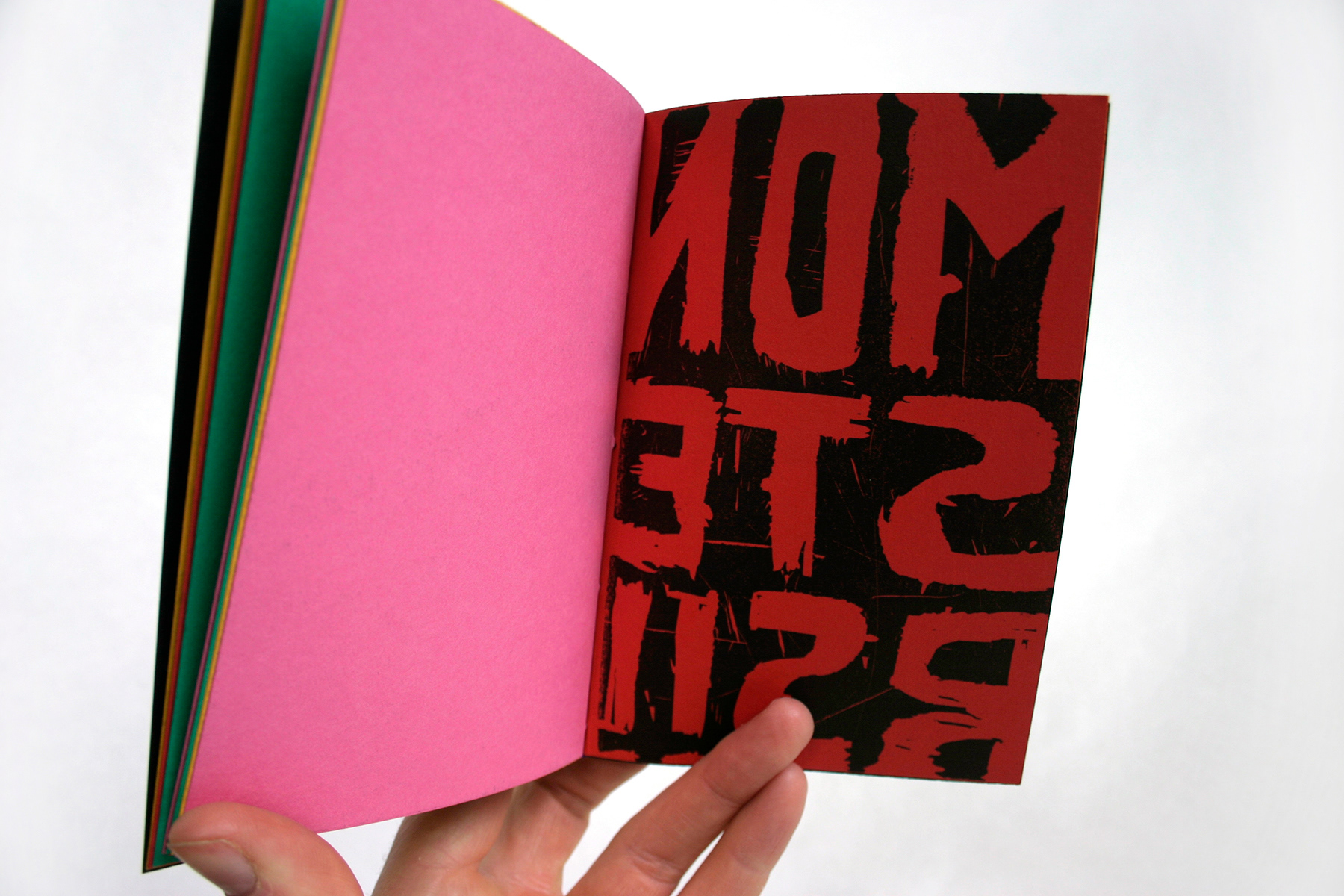
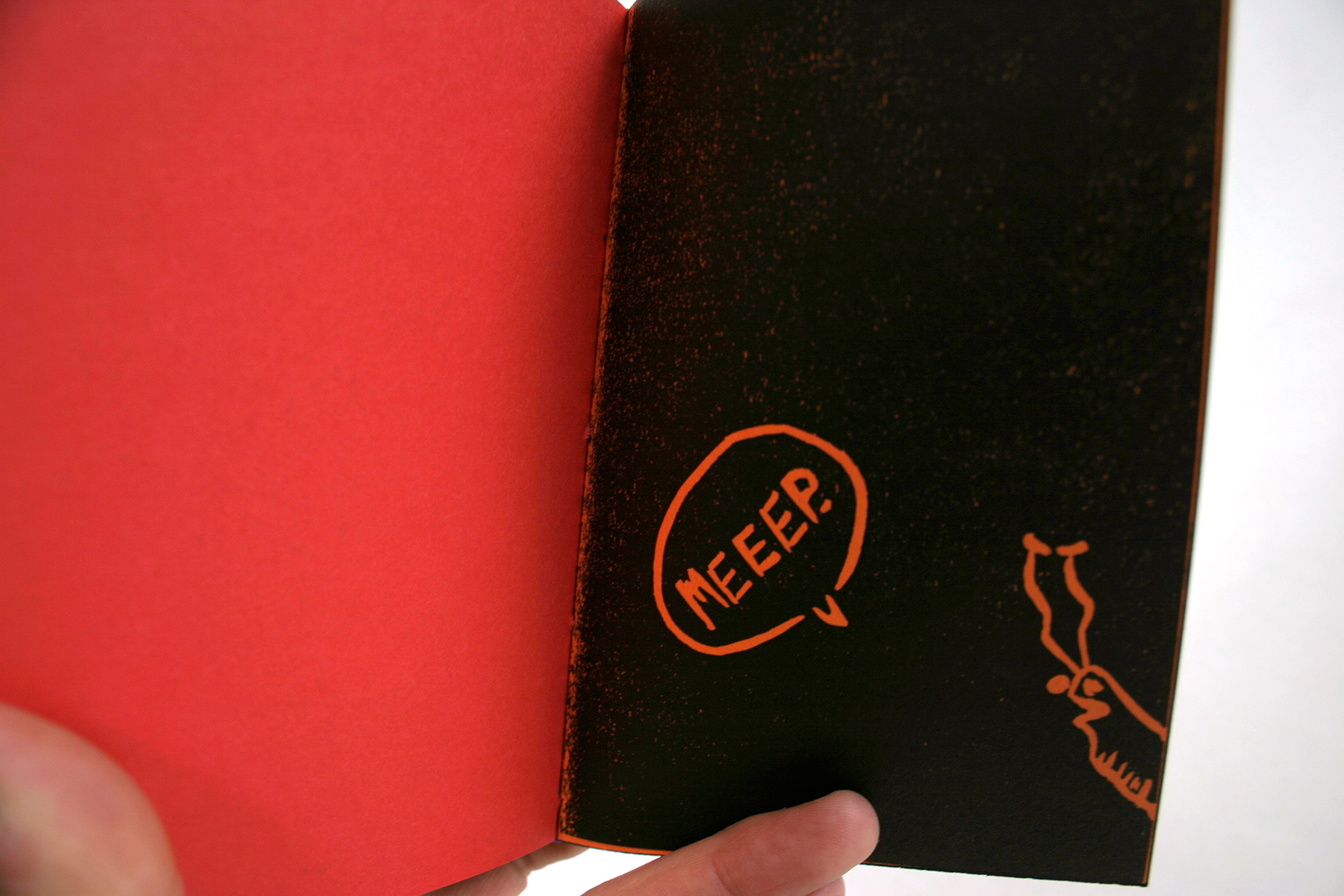
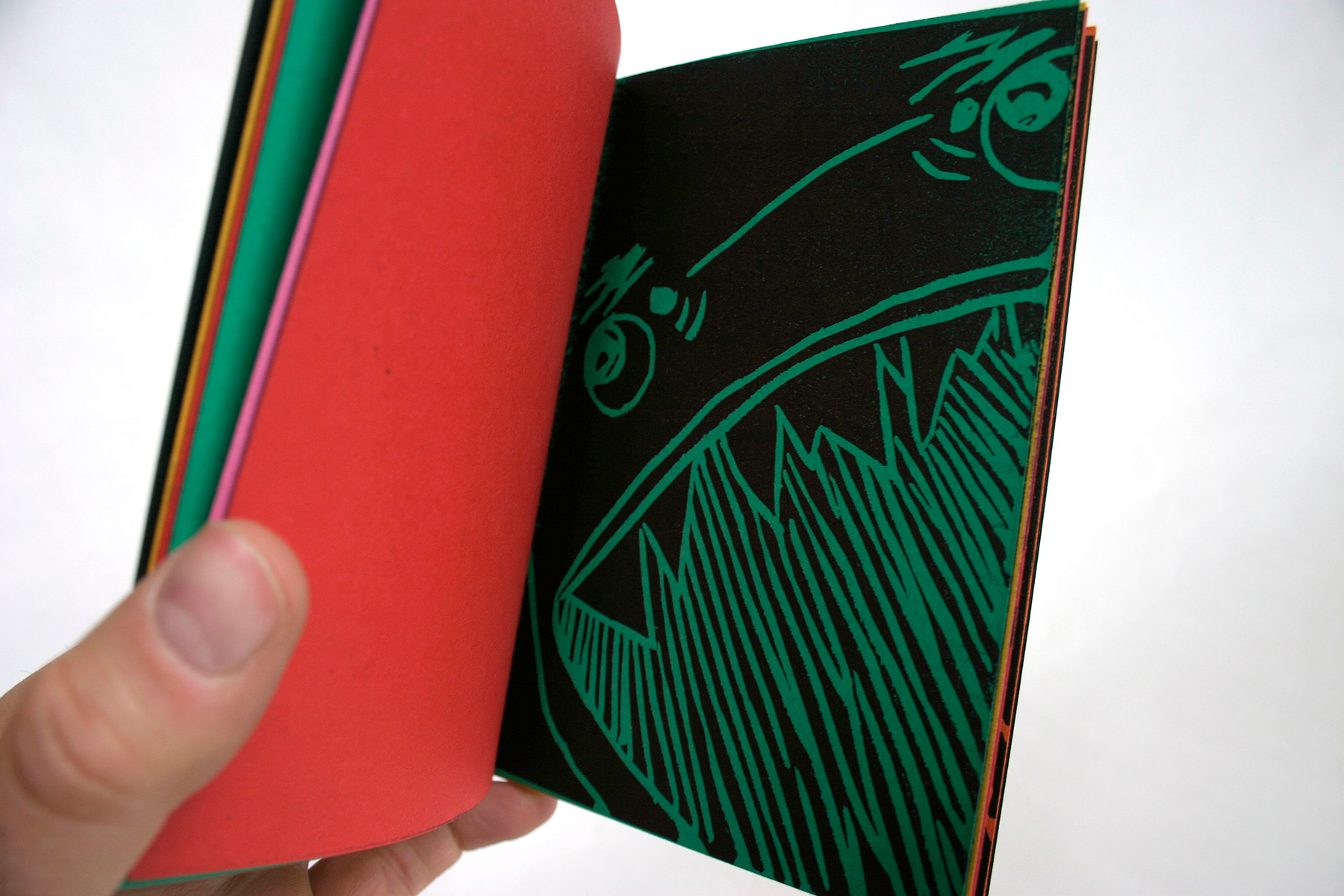
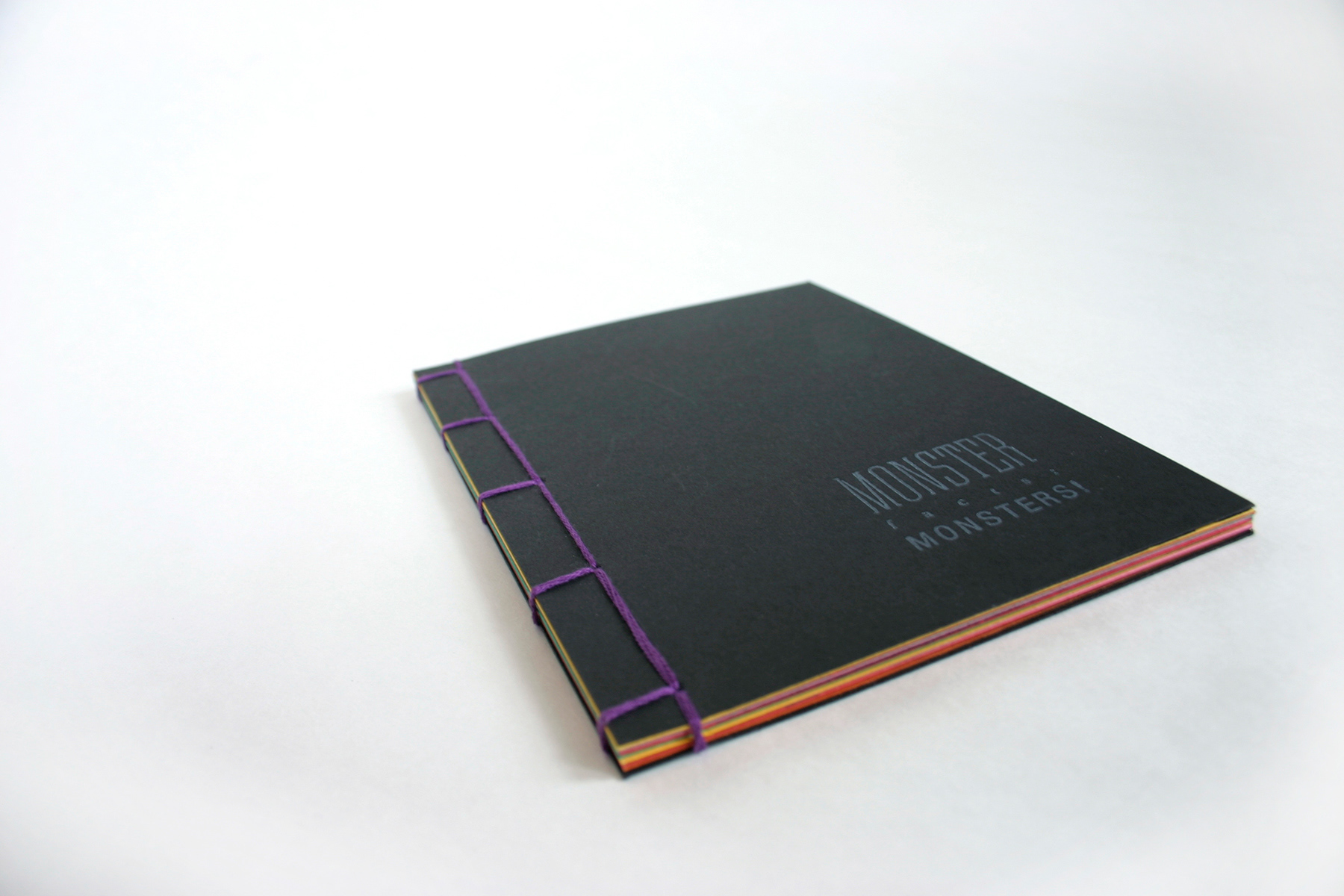
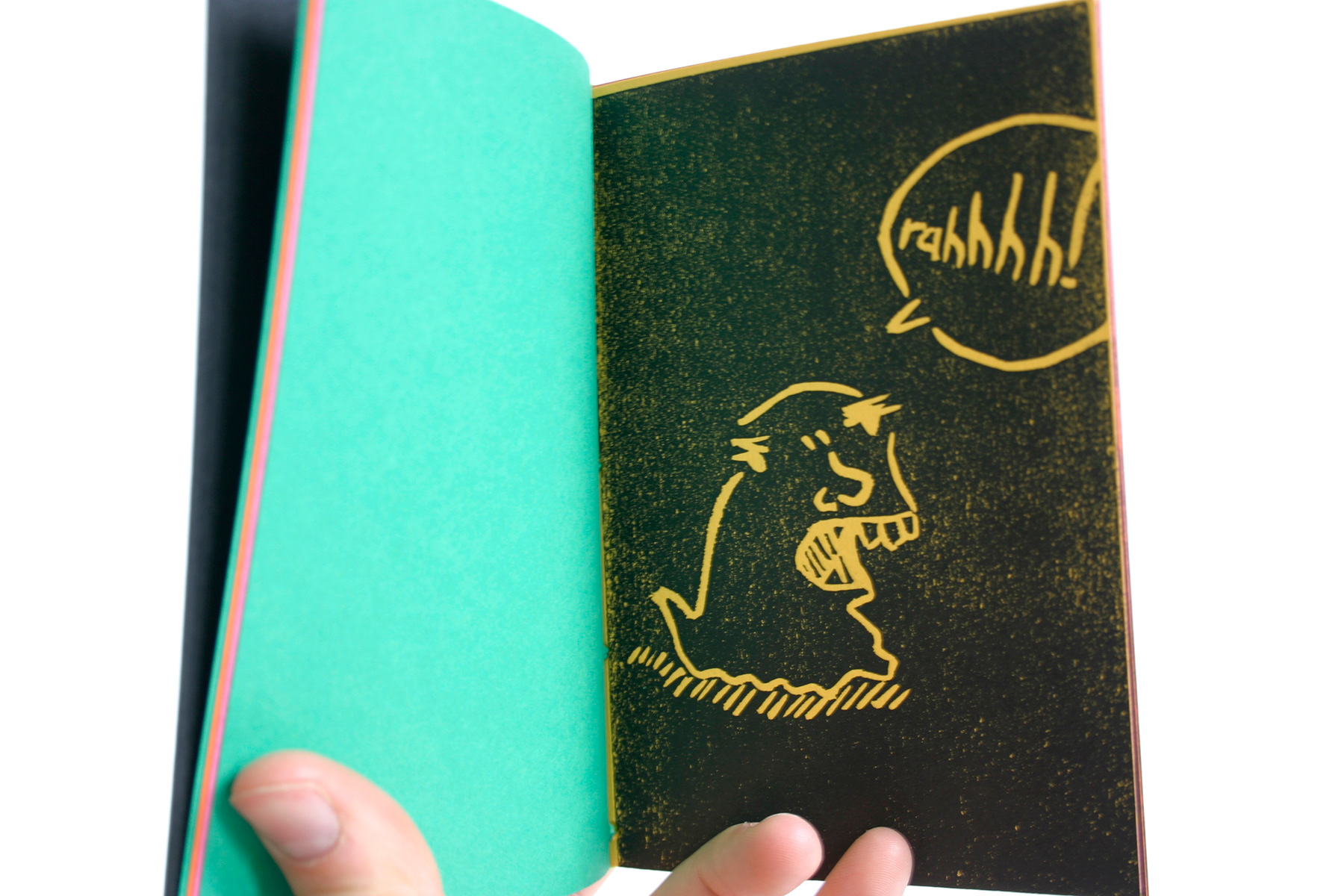
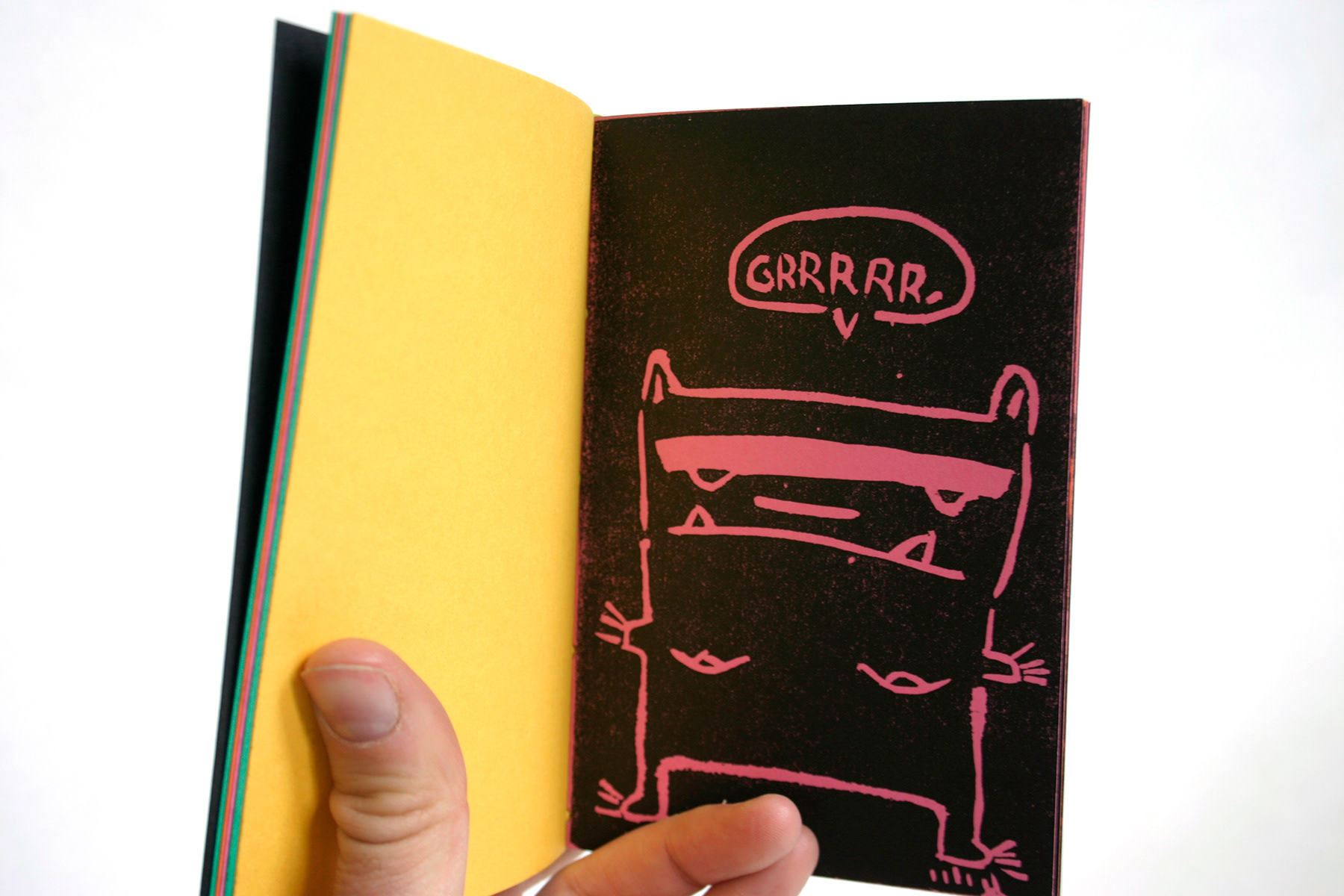
MONSTER FACTS: MONSTERS!
letterpress and linoprint books, illustration collab with @xxmedium's summer camp FABLab Champaign, IL, edition of 15
letterpress and linoprint books, illustration collab with @xxmedium's summer camp FABLab Champaign, IL, edition of 15