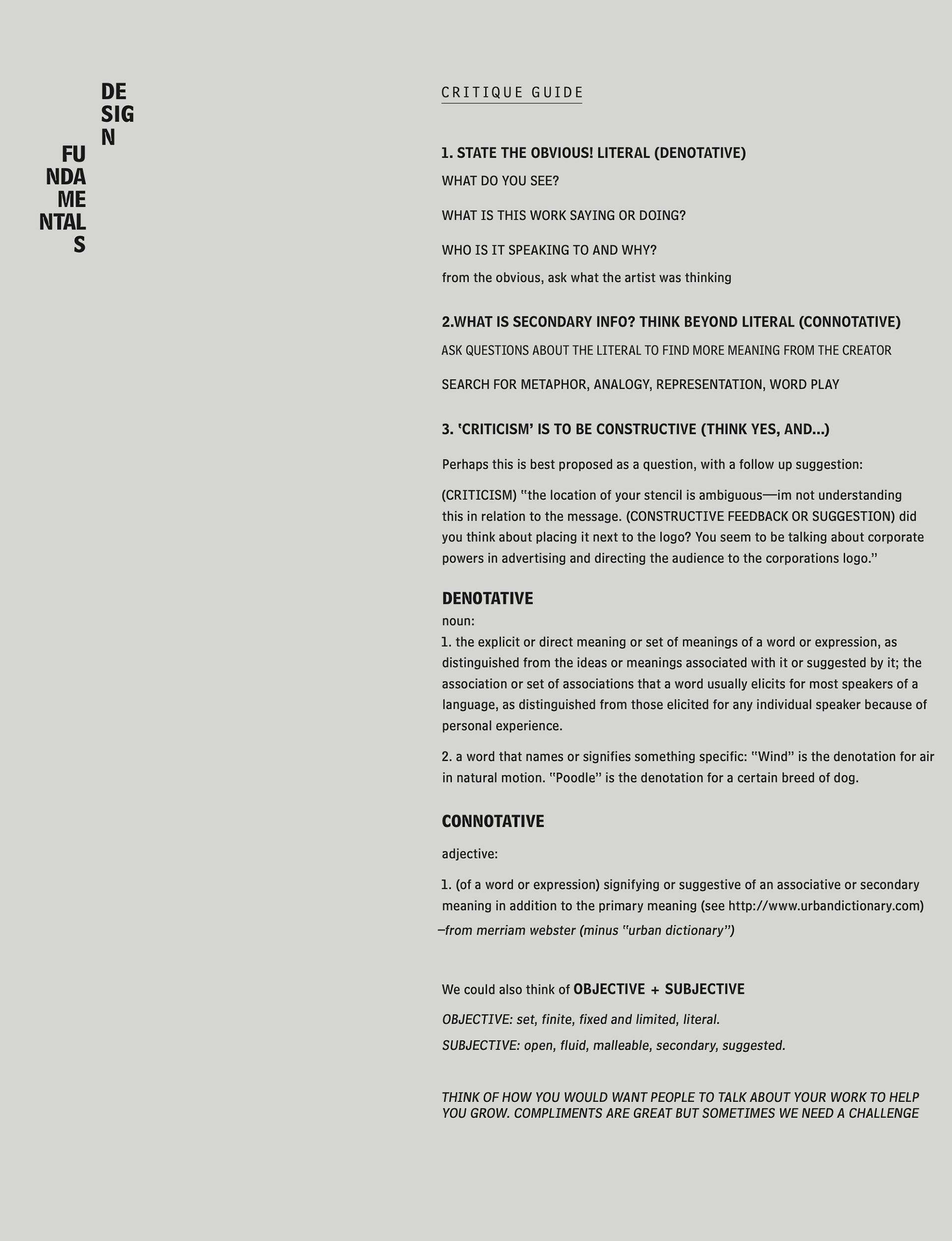
COURSE OVERVIEW (Curriculum and student examples below):
The principles and foundations of design are investigated by students through collective and self-initiated experiments in digital and traditional mediums /media, progressing in an evolutionary and traditional manner (Point, Line, Space, Shape ... ) Prompts are written to incorporate conceptual and critical processes of trial and error. OVERVIEWS introduce the topic prior to prompting. Instruction imbues collaboration, peer teaching, and self-actualized technical skills for use in industry and daily life to a diverse student body by way of description, rather than direction.
16-week Graphic Design + Visual Communication program at Madison College in Madison WI. Associate of Applied Arts degree. In collaboration with Ingrid Slamer and Juliana Von Clausen
COURSE READING:
-Victor Papanek: Designer for the Real World (selected sections)
-Visual Communication Design: An Introduction to Design Concepts in Everyday
Experience, Meredith Davis: group read in class, one section per course meeting.
-Understanding Comics, by: Scott McCloud, reading rotation in groups. One chapter is read by each group to then be presented/ shared with other groups.
COURSE VIEWINGS:
-They Live, 1988, John Carpenter
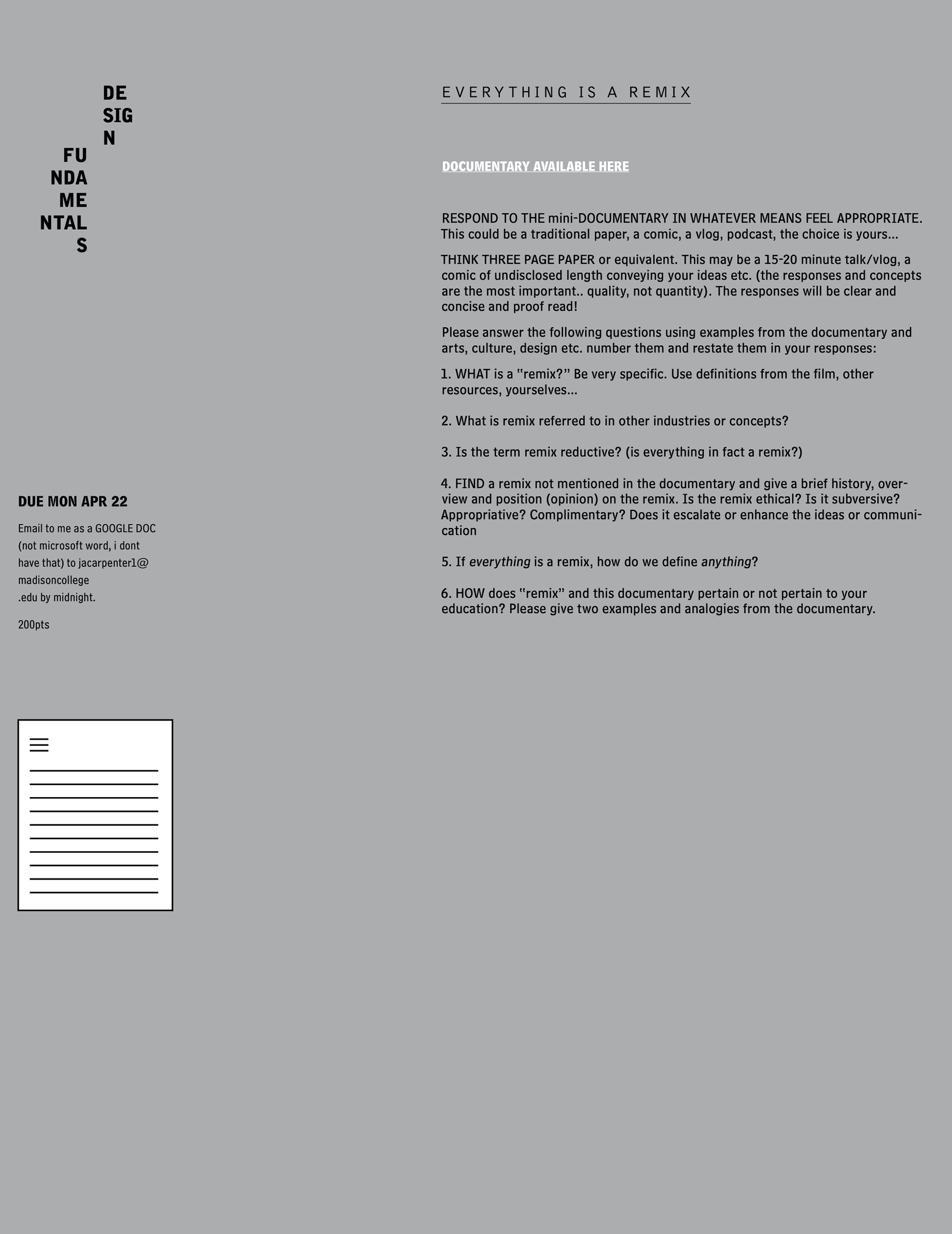
-Everything is a Remix, 2010-2012, Kirby Ferguson
The principles and foundations of design are investigated by students through collective and self-initiated experiments in digital and traditional mediums /media, progressing in an evolutionary and traditional manner (Point, Line, Space, Shape ... ) Prompts are written to incorporate conceptual and critical processes of trial and error. OVERVIEWS introduce the topic prior to prompting. Instruction imbues collaboration, peer teaching, and self-actualized technical skills for use in industry and daily life to a diverse student body by way of description, rather than direction.
16-week Graphic Design + Visual Communication program at Madison College in Madison WI. Associate of Applied Arts degree. In collaboration with Ingrid Slamer and Juliana Von Clausen
COURSE READING:
-Victor Papanek: Designer for the Real World (selected sections)
-Visual Communication Design: An Introduction to Design Concepts in Everyday
Experience, Meredith Davis: group read in class, one section per course meeting.
-Understanding Comics, by: Scott McCloud, reading rotation in groups. One chapter is read by each group to then be presented/ shared with other groups.
COURSE VIEWINGS:
-They Live, 1988, John Carpenter
-Everything is a Remix, 2010-2012, Kirby Ferguson
*video screenshots are video links*
**cover image: generative image class collaboration (shape)*
**cover image: generative image class collaboration (shape)*
COURSE SUBJECTS EXPERIMENTS :
POINT: STARTING (via Rachele Riley, WK 01) OVERVIEW HERE
Each student receives a stone. Very little direction is given, aside from the prompt: 'Introduce yourself and your creative thinking. Do what you enjoy, and use what you know.' This sets the stage for the rest of the course as a place of experimentation, self-directed and self-initiated learning within individualized learning needs recognized and applied by the instructor.
Each student receives a stone. Very little direction is given, aside from the prompt: 'Introduce yourself and your creative thinking. Do what you enjoy, and use what you know.' This sets the stage for the rest of the course as a place of experimentation, self-directed and self-initiated learning within individualized learning needs recognized and applied by the instructor.
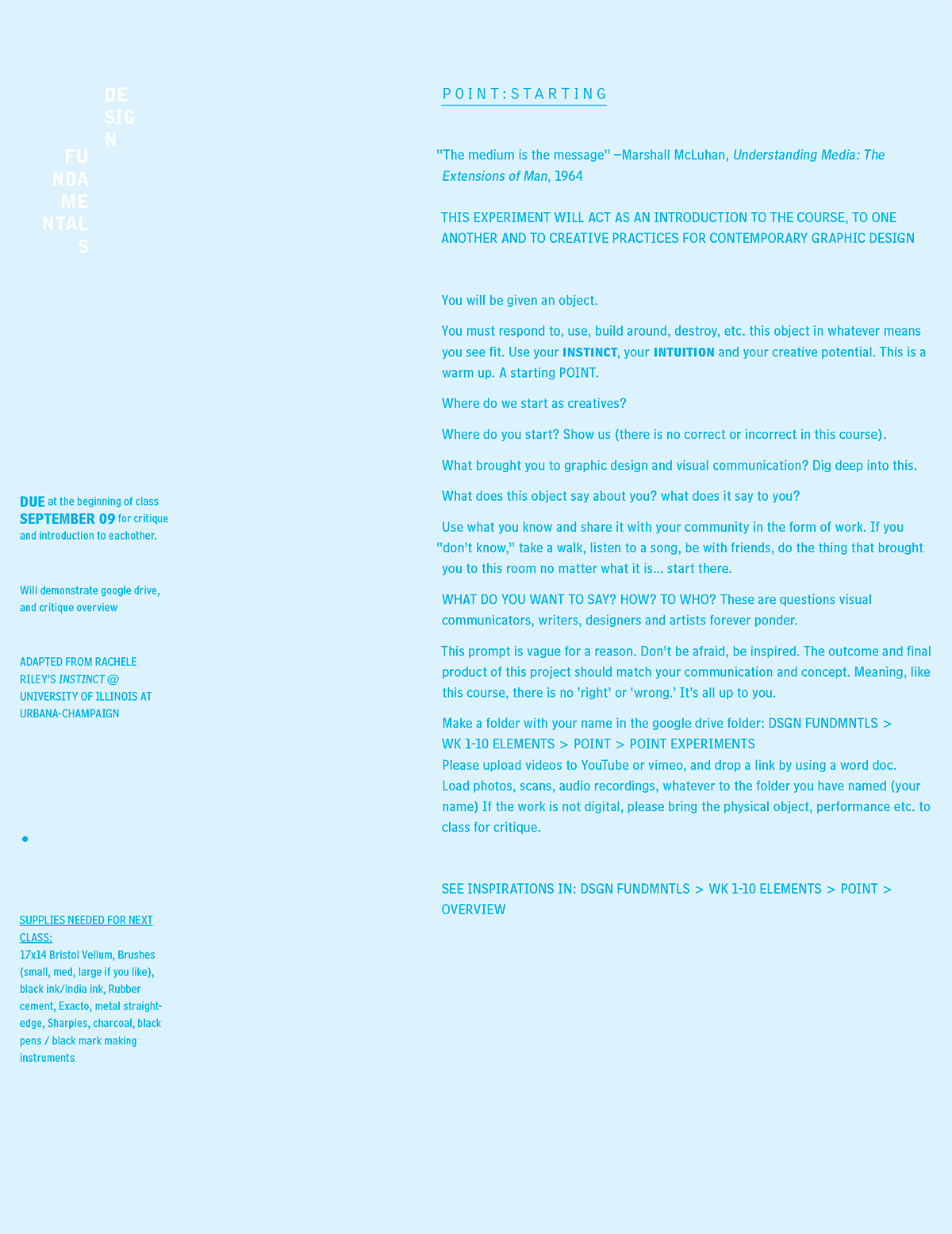
STUDENT WORK
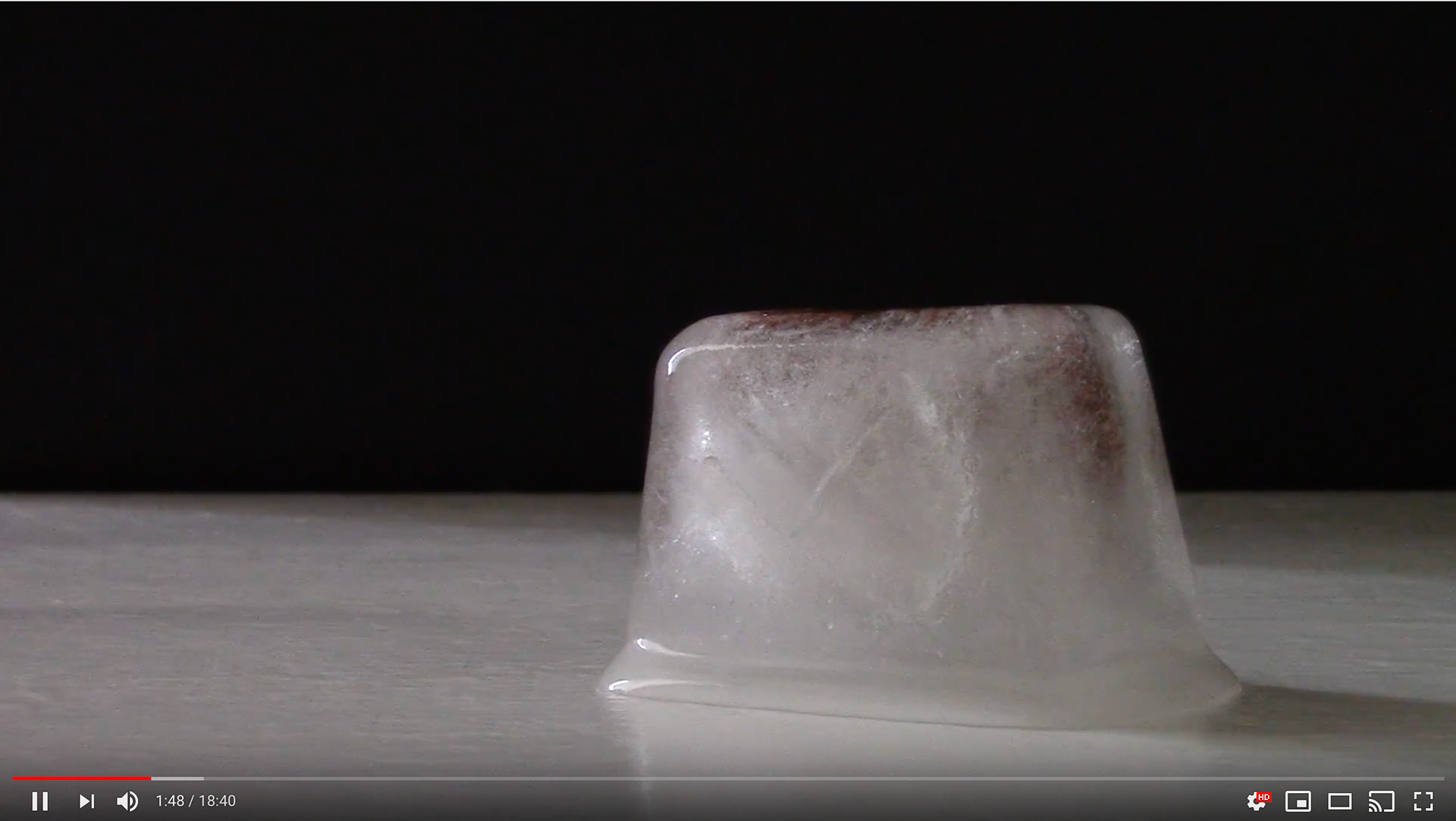
Meghan Johns: [Glacial Melt]
Meghan Johns: [Glacial Melt]
Mel Wenger: Miniature
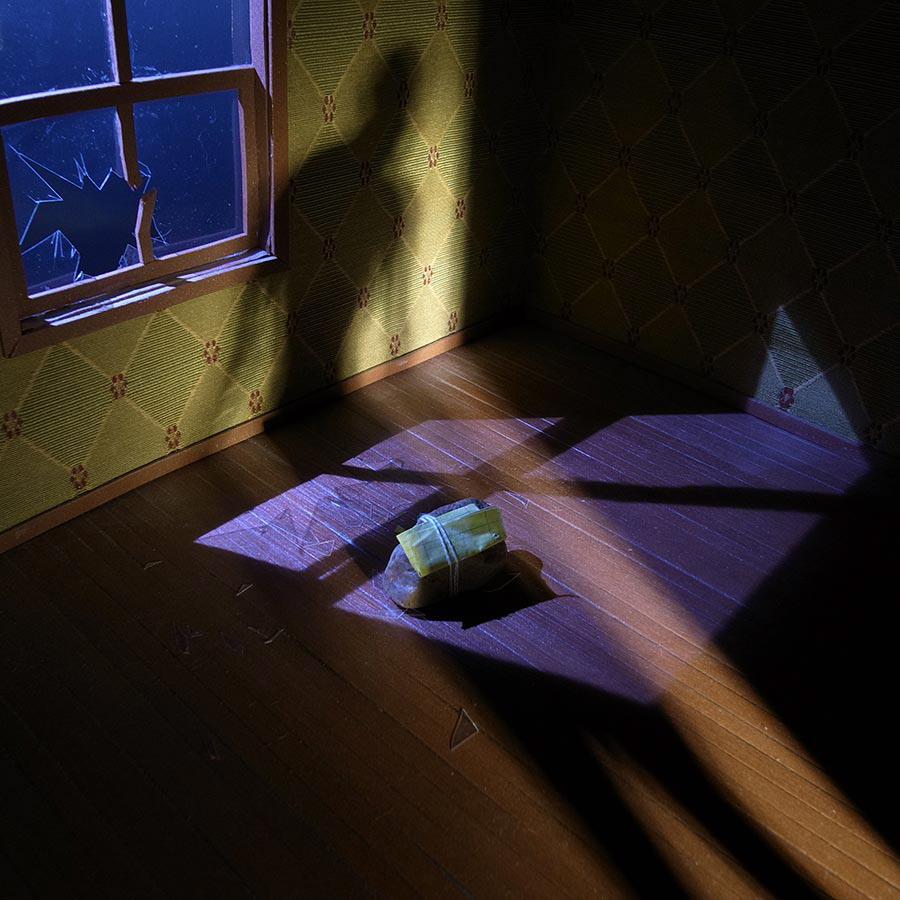
LINE (WK 1-3) OVERVIEW HERE
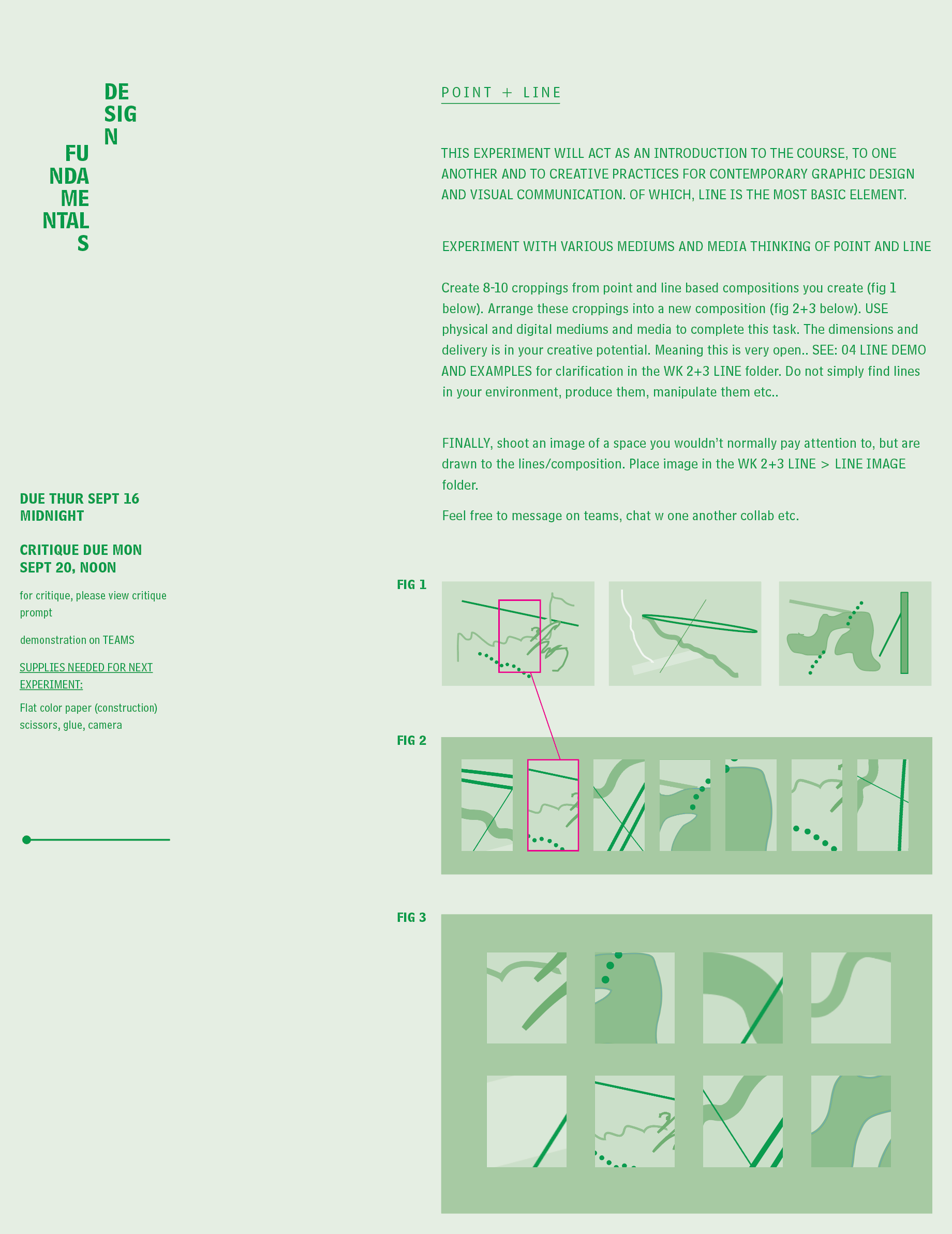
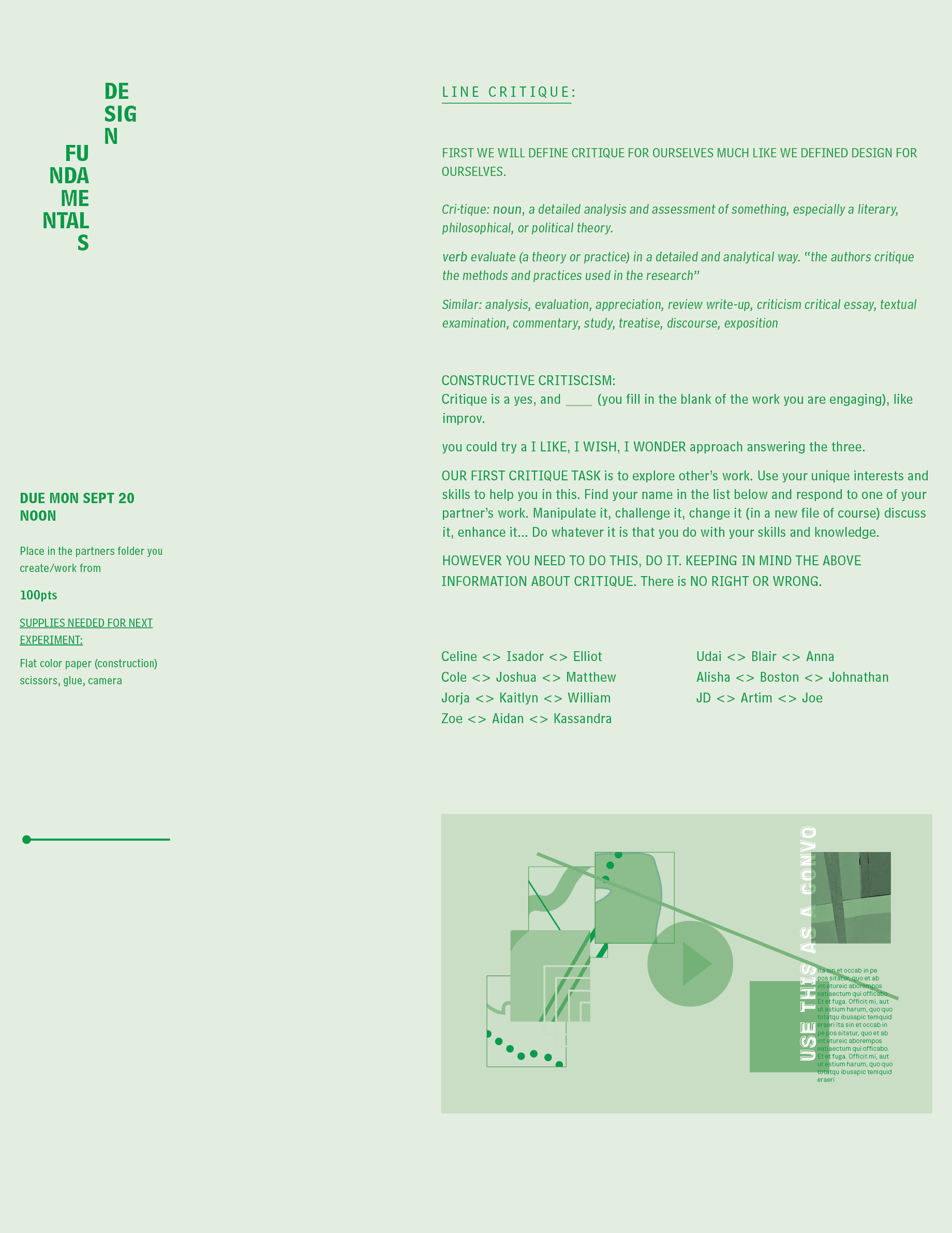
STUDENT WORK: LINE collaborations and critiques
SHAPE: TRANSLATIONS & ABSTRACTIONS (WK 3-5) OVERVIEW HERE
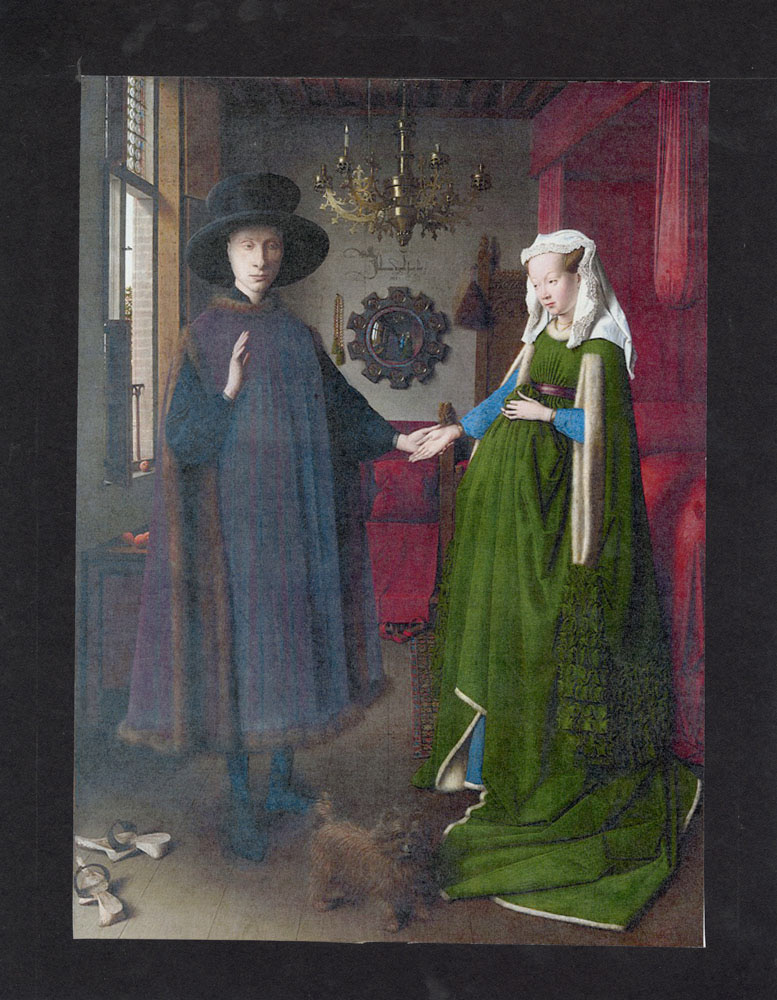
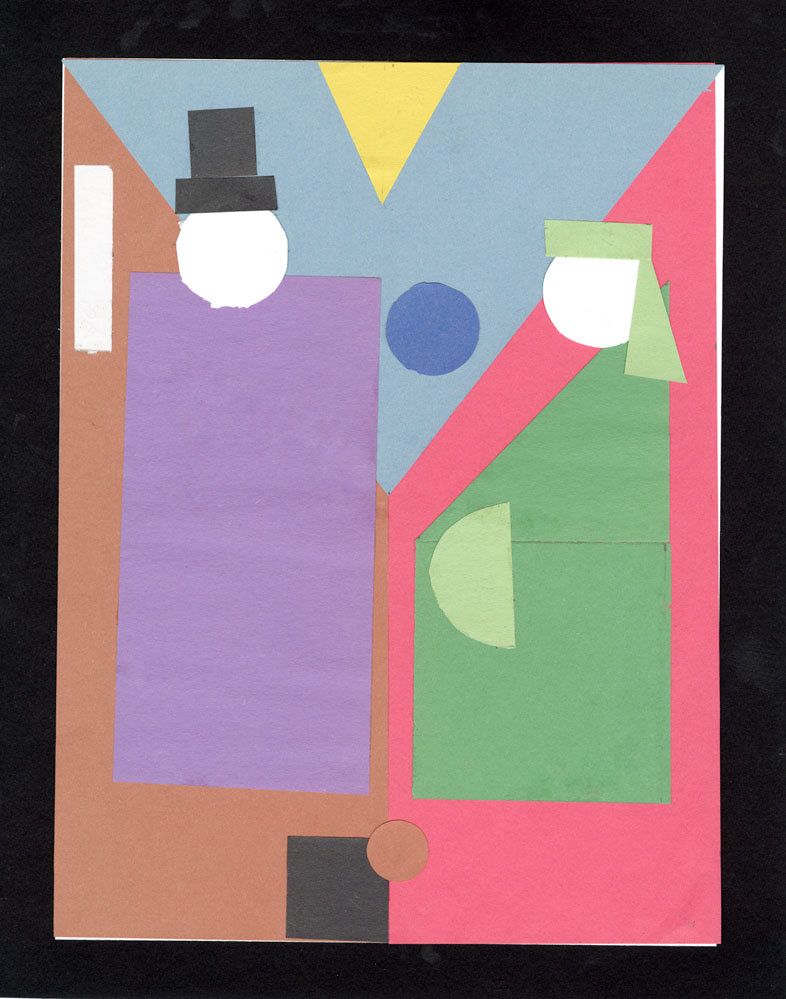
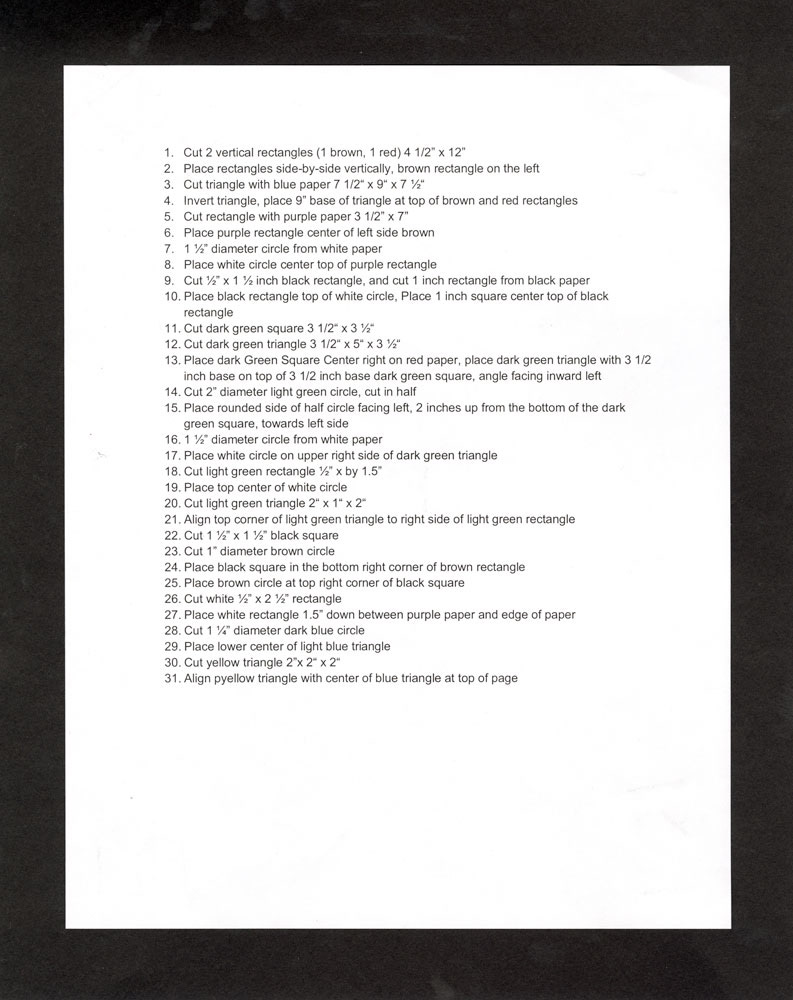
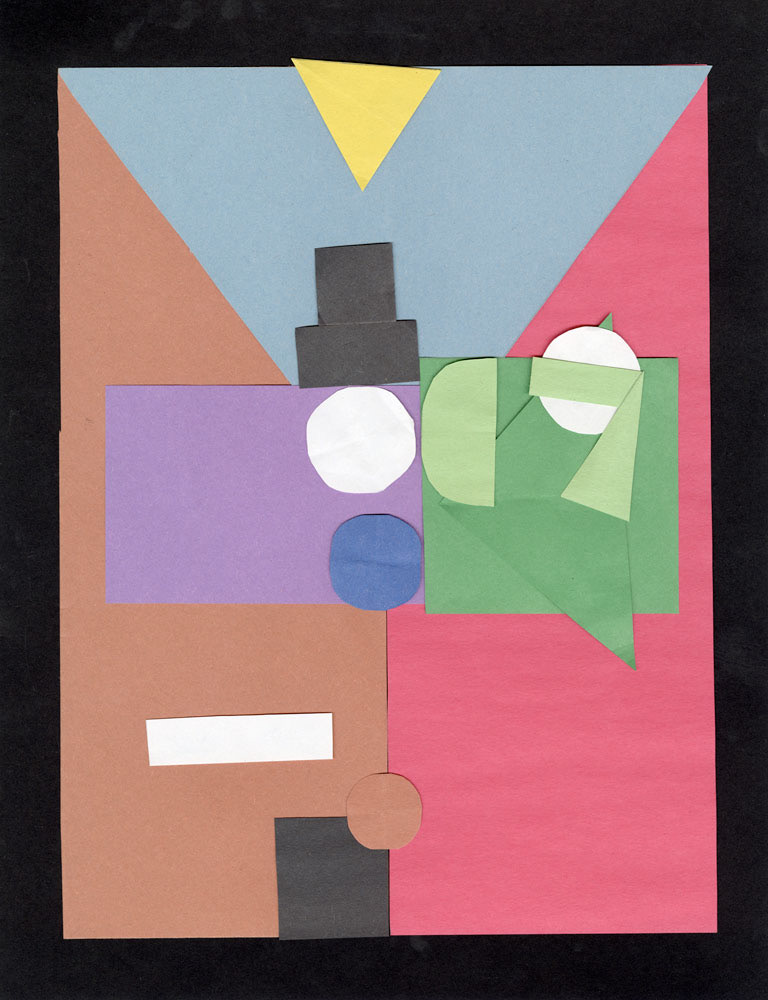
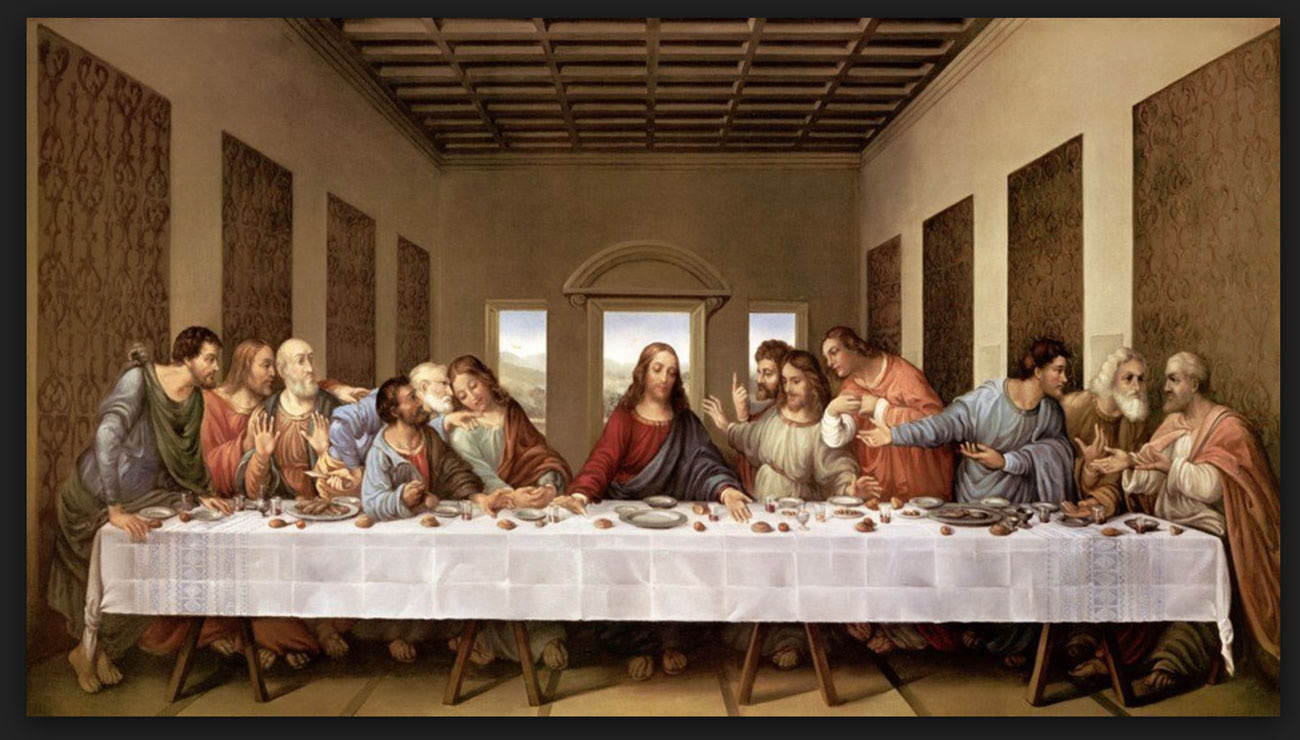
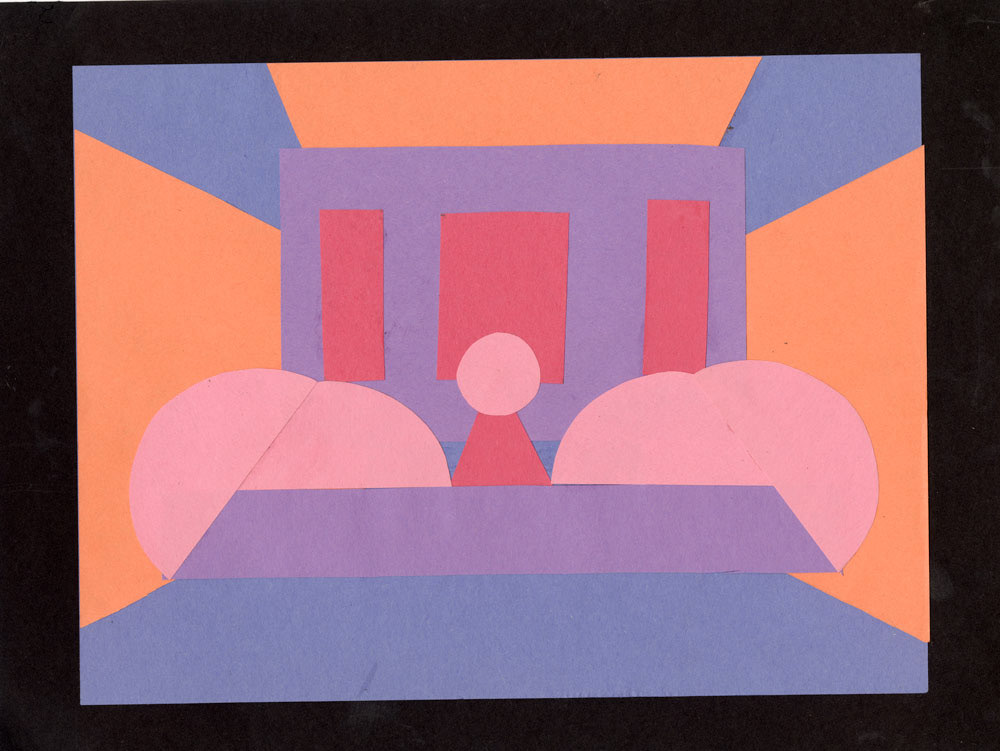
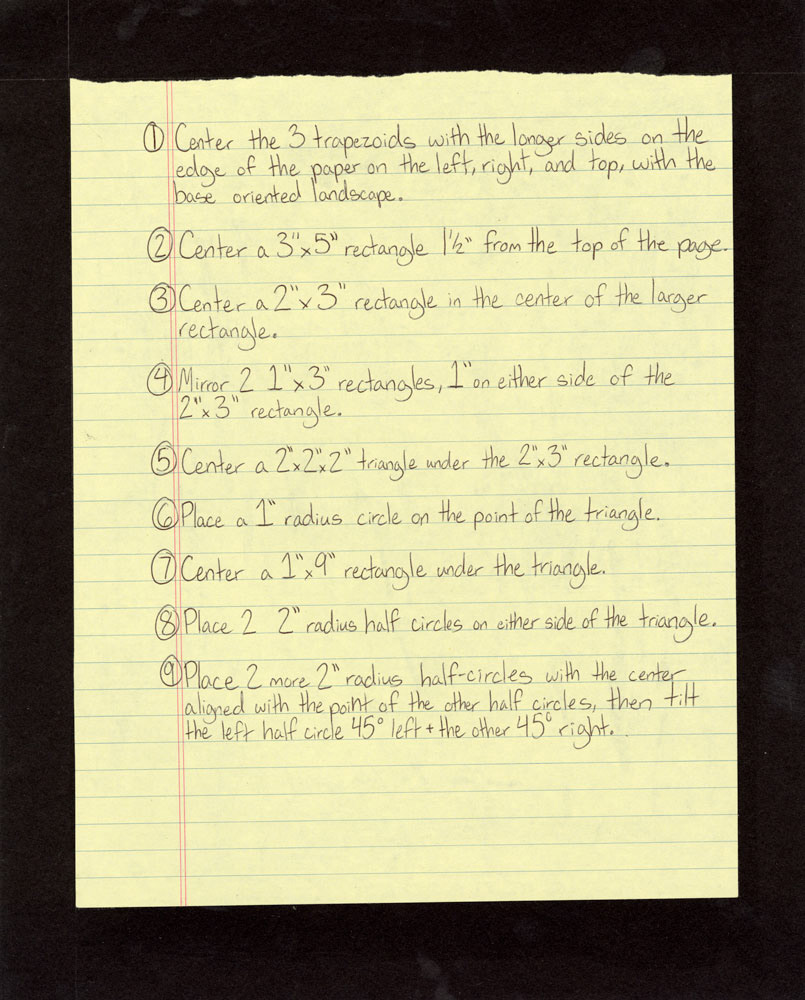
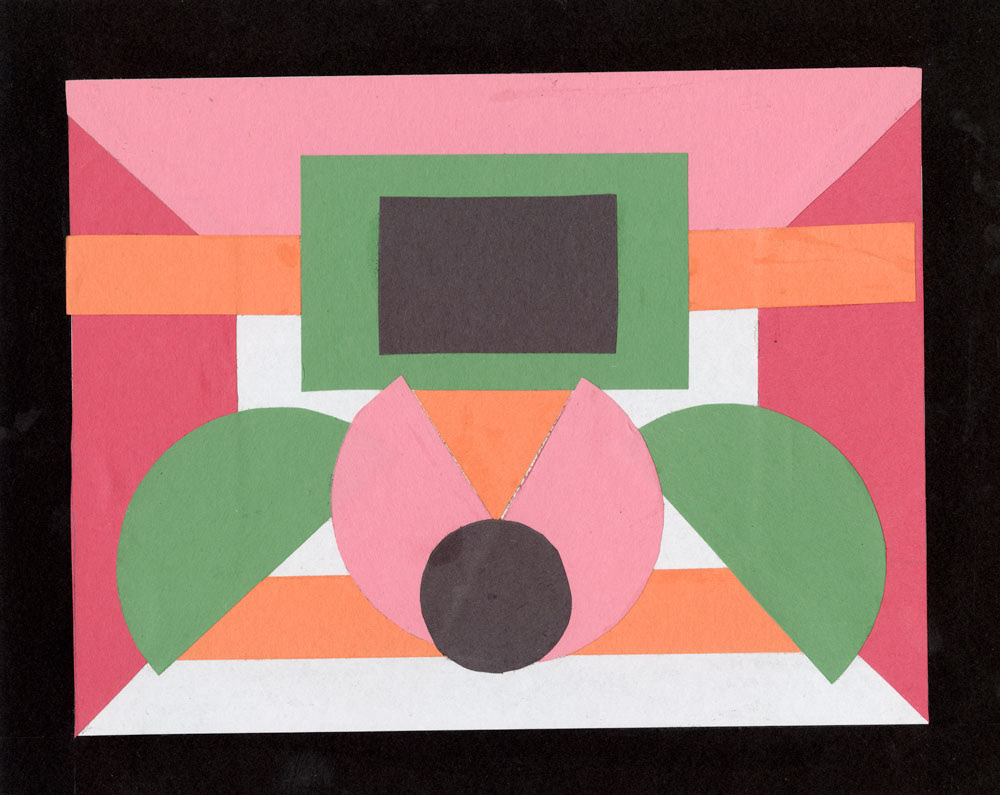
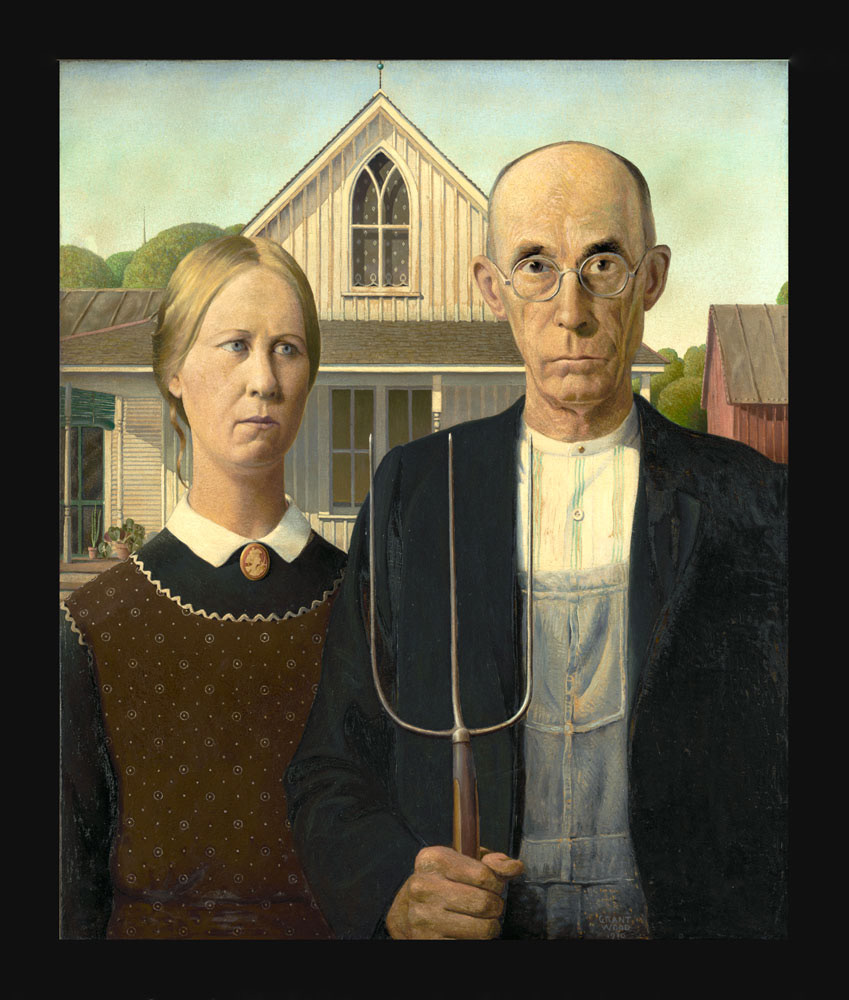
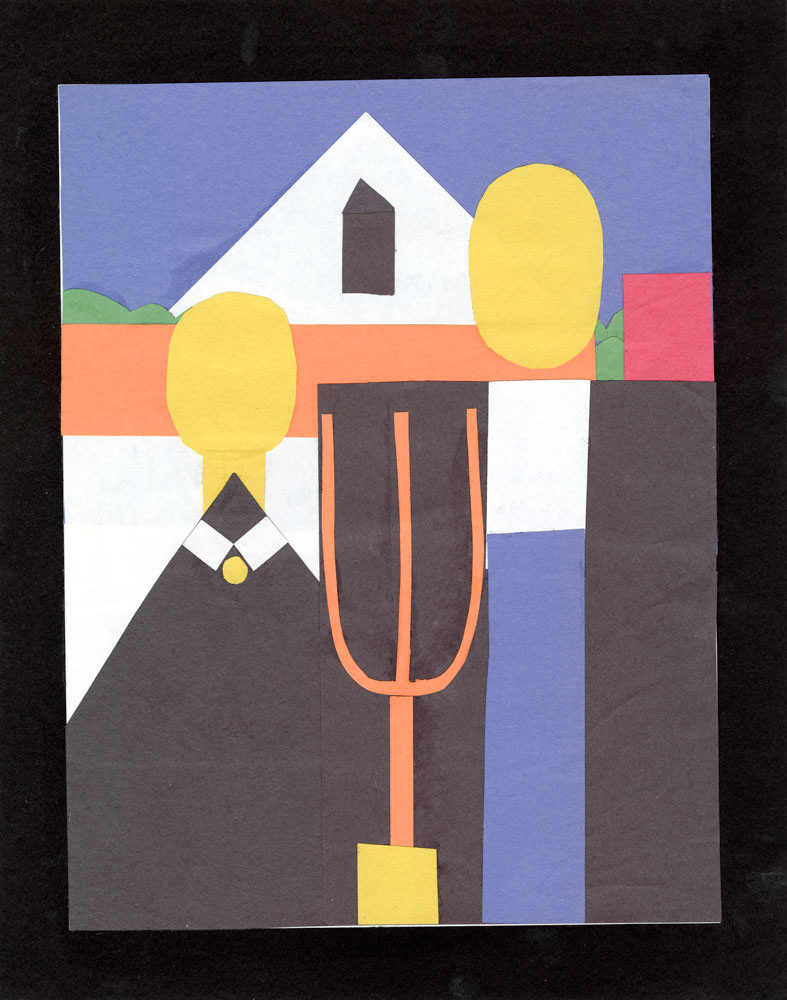
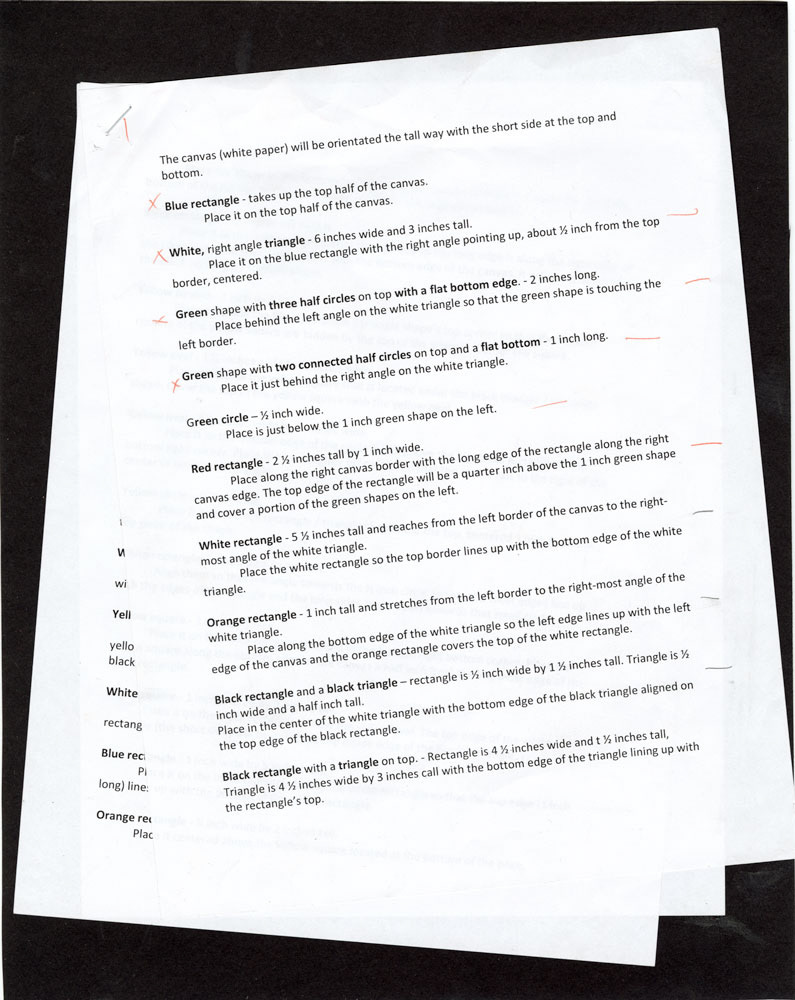
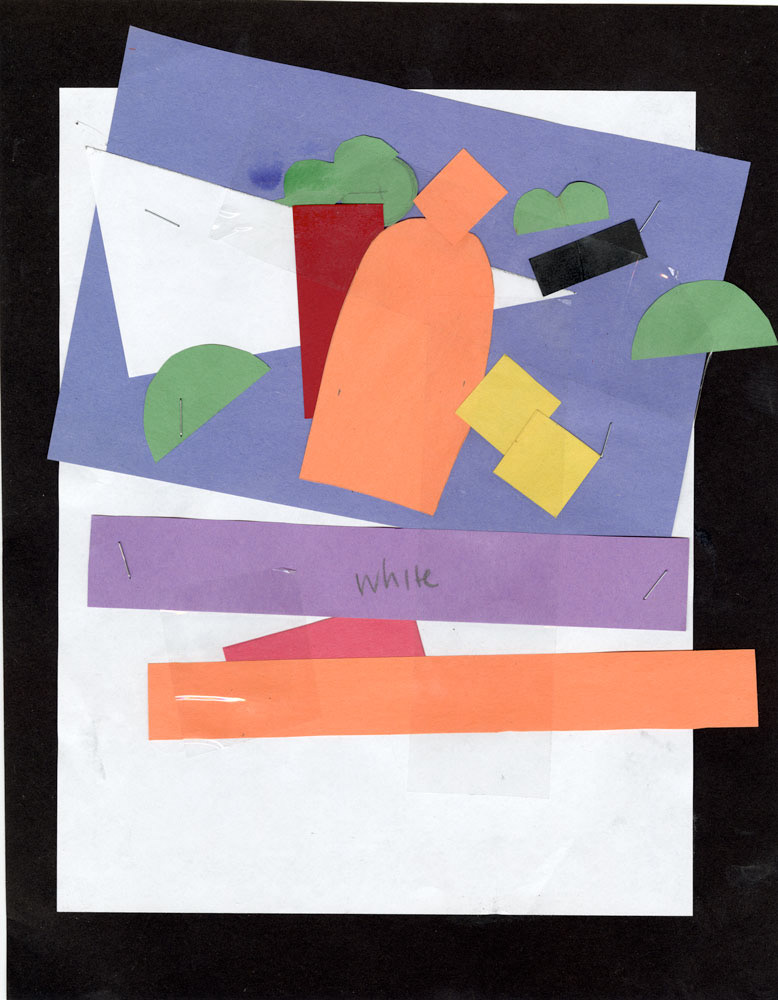
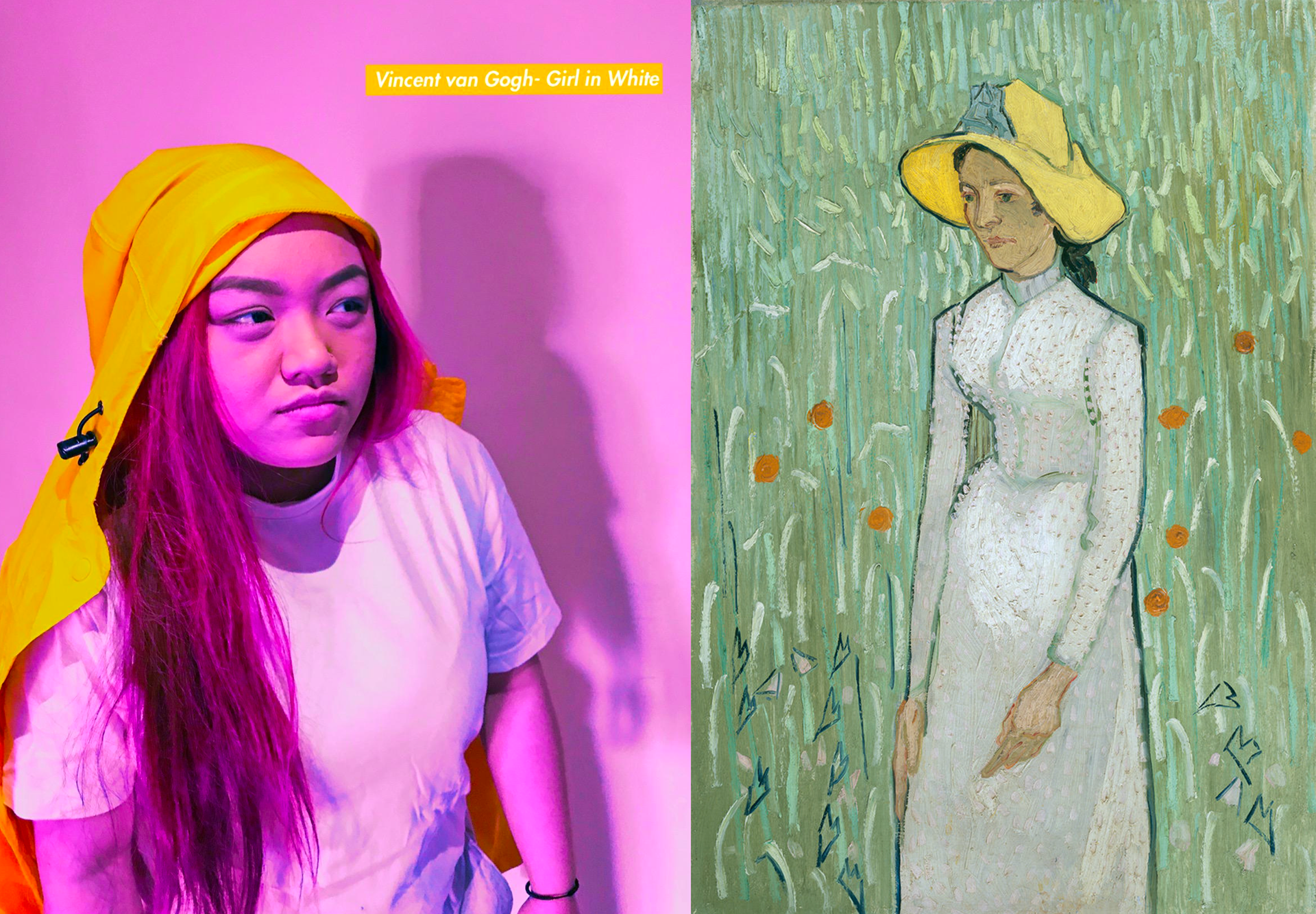
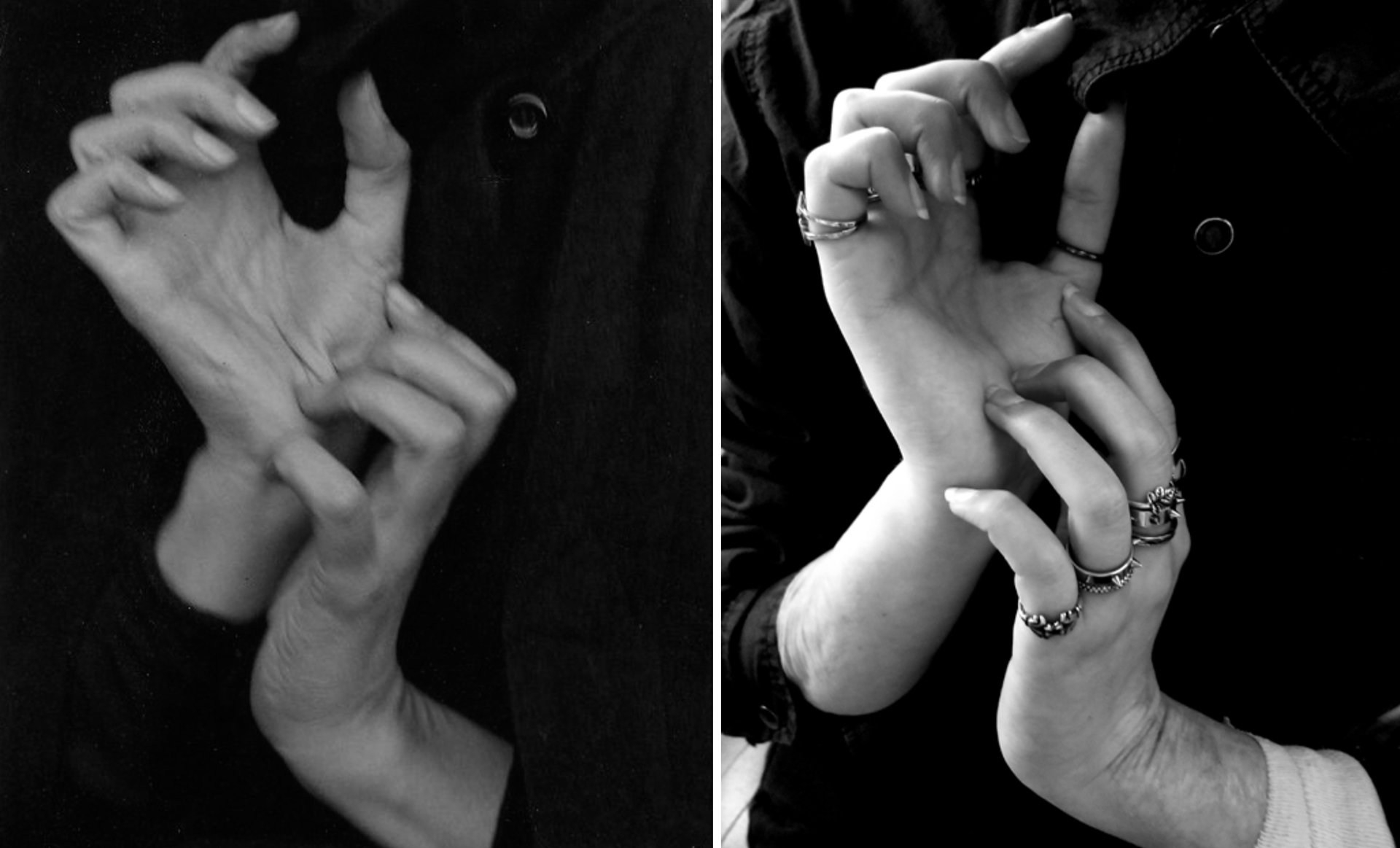
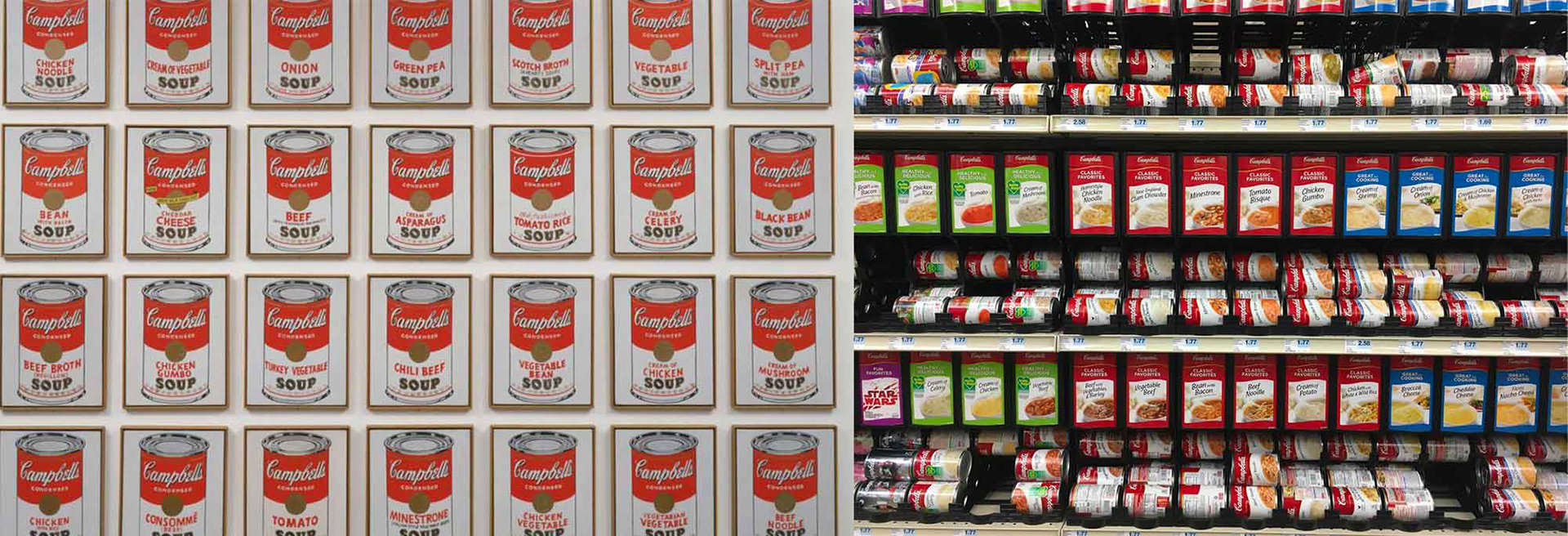
Learning composition can be done by observing compositional "masters." From the library, learners pick an artwork of museum quality for exposure purposes and history lessons. Next, we work with groups to complete the translation work, harnessing observational skills while dissecting shape as a foundational design element.
Learning composition can be done by observing compositional "masters." From the library, learners pick an artwork of museum quality for exposure purposes and history lessons. Next, we work with groups to complete the translation work, harnessing observational skills while dissecting shape as a foundational design element.
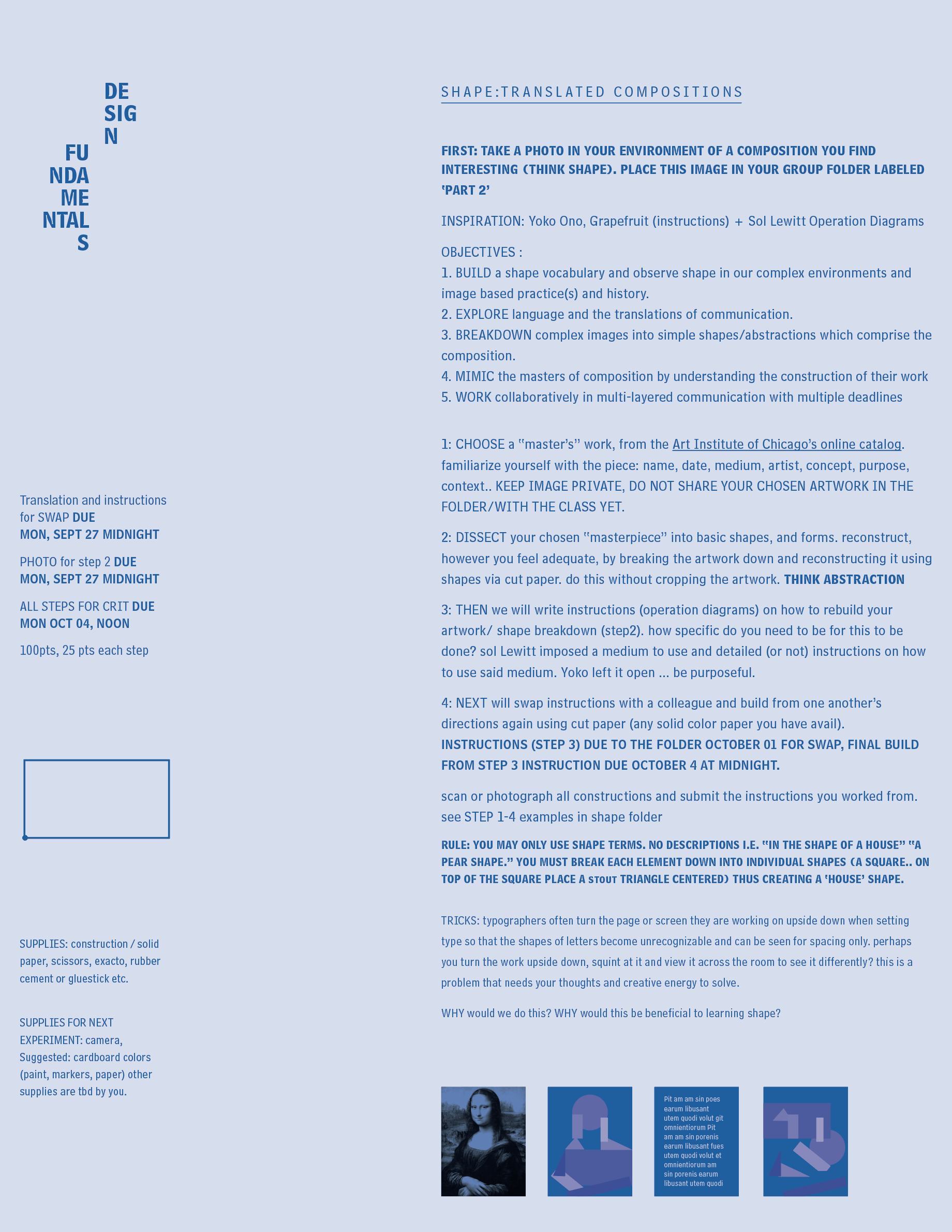
STUDENT WORK:
Collaborations by: Jazmine Accola, Chris Arritt, Deanna Bradshaw, Nicole Brown, Alex Charlton, Luca Costa, Tarin Haste, Corin Heilman, Tamara Jarvi, Jennifer Kreuzer, Justice Larson, Olivia Marron, Mckena Metz, Nicholas Moldenhaur, Melissa Preissel, Jasmine Sallay, Austin Shoemaker, Paigit Souvannasone, Steve Chang, Jasmyne Chapman, Hannah Cooperrider, Sam DeVilbiss, Austin Goelzer, Mariah Kelso, Sarah Kleemann, Kaysie Labno, Tiffany Nolan, Victoria Ortiz
Collaborations by: Jazmine Accola, Chris Arritt, Deanna Bradshaw, Nicole Brown, Alex Charlton, Luca Costa, Tarin Haste, Corin Heilman, Tamara Jarvi, Jennifer Kreuzer, Justice Larson, Olivia Marron, Mckena Metz, Nicholas Moldenhaur, Melissa Preissel, Jasmine Sallay, Austin Shoemaker, Paigit Souvannasone, Steve Chang, Jasmyne Chapman, Hannah Cooperrider, Sam DeVilbiss, Austin Goelzer, Mariah Kelso, Sarah Kleemann, Kaysie Labno, Tiffany Nolan, Victoria Ortiz
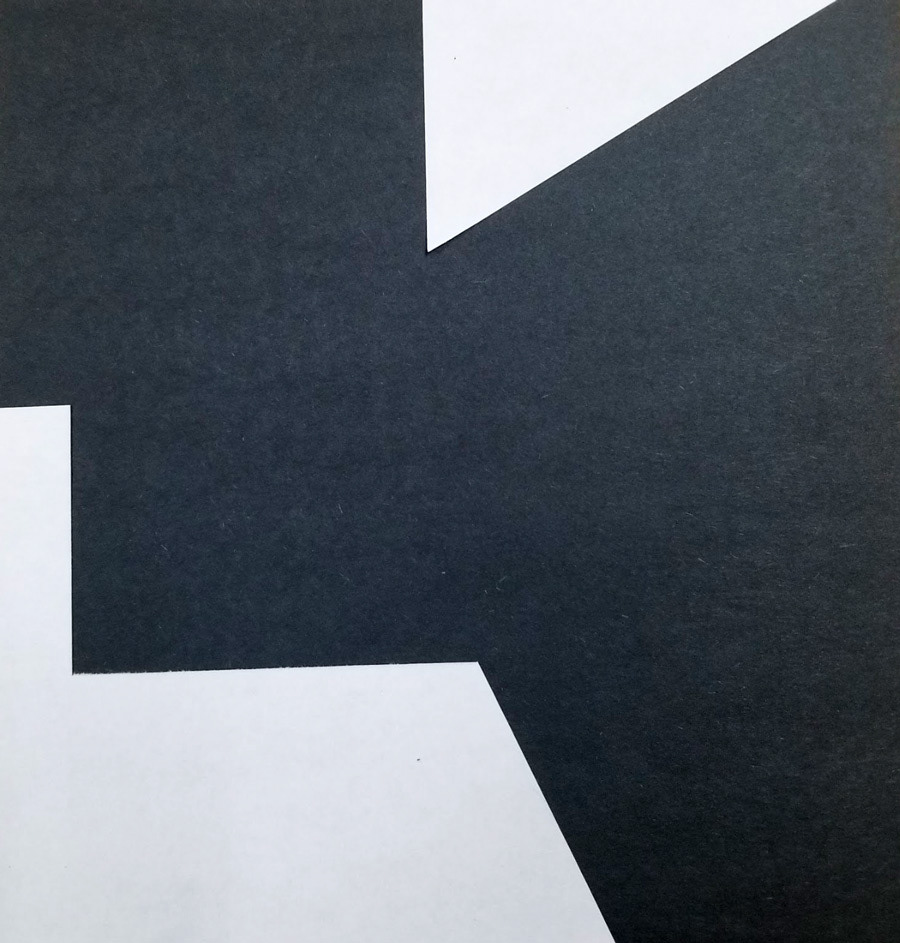
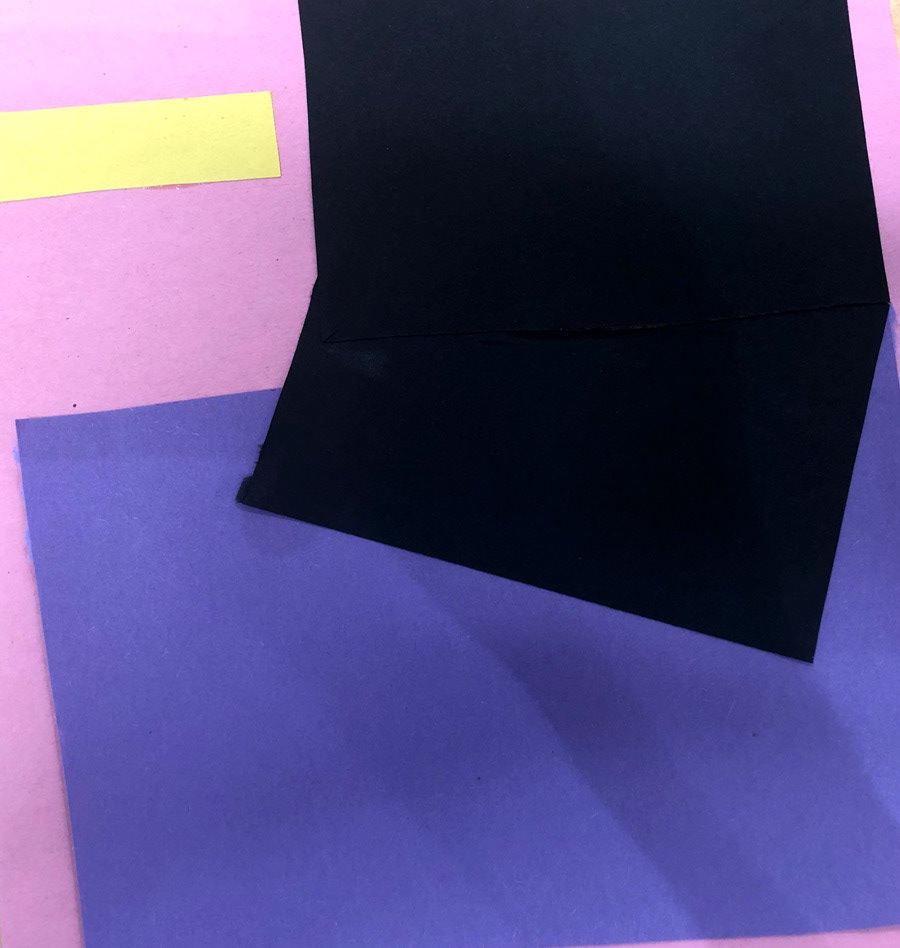
SHAPE: ABSTRACTIONS
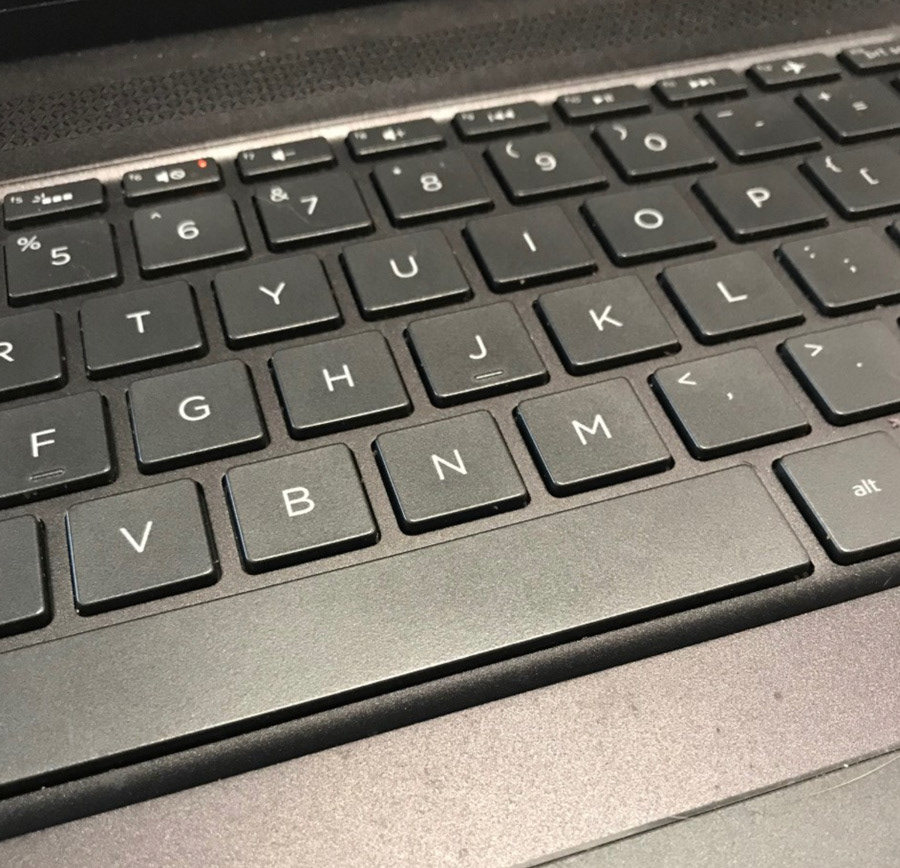
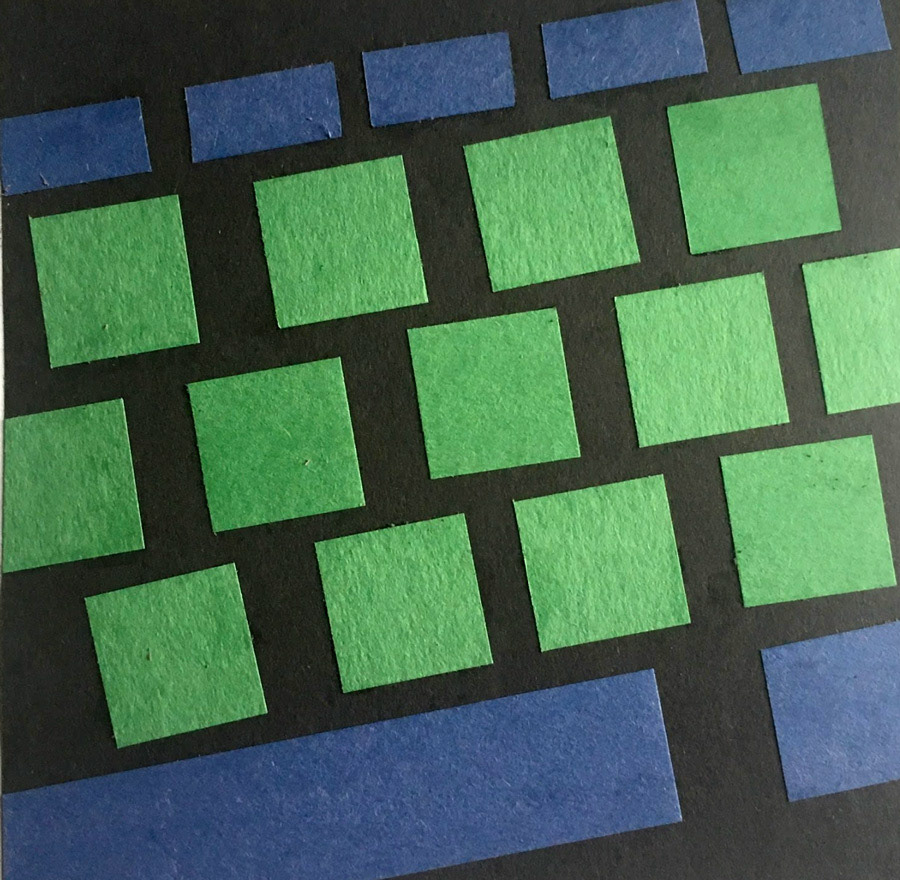
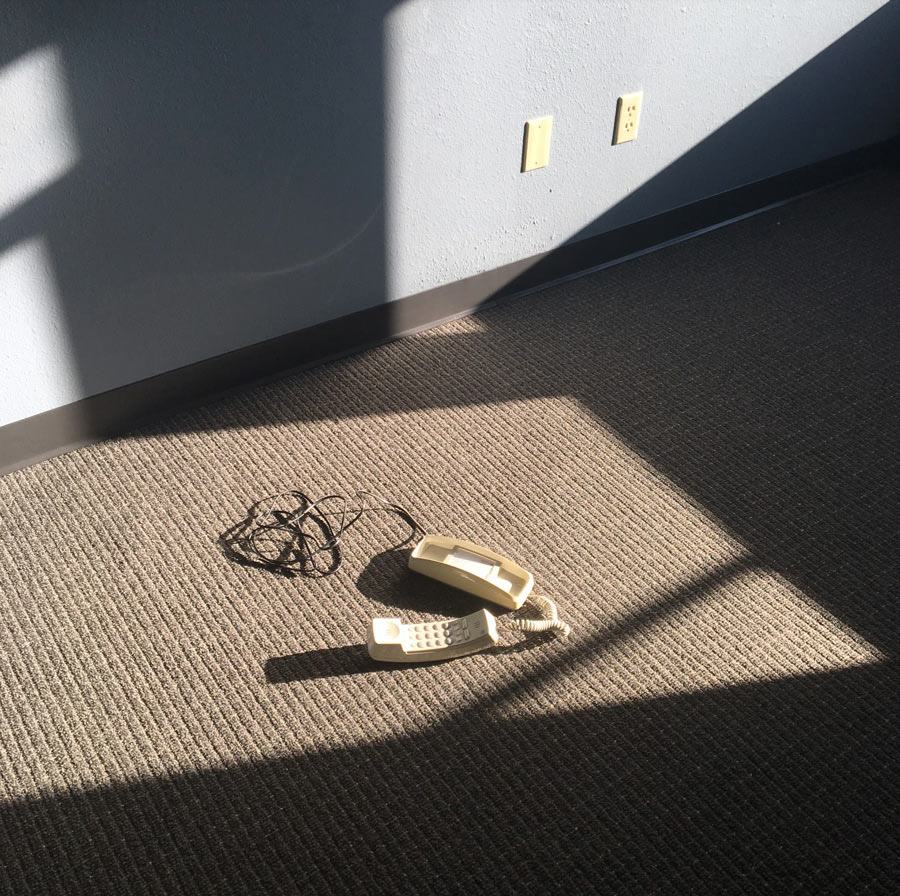
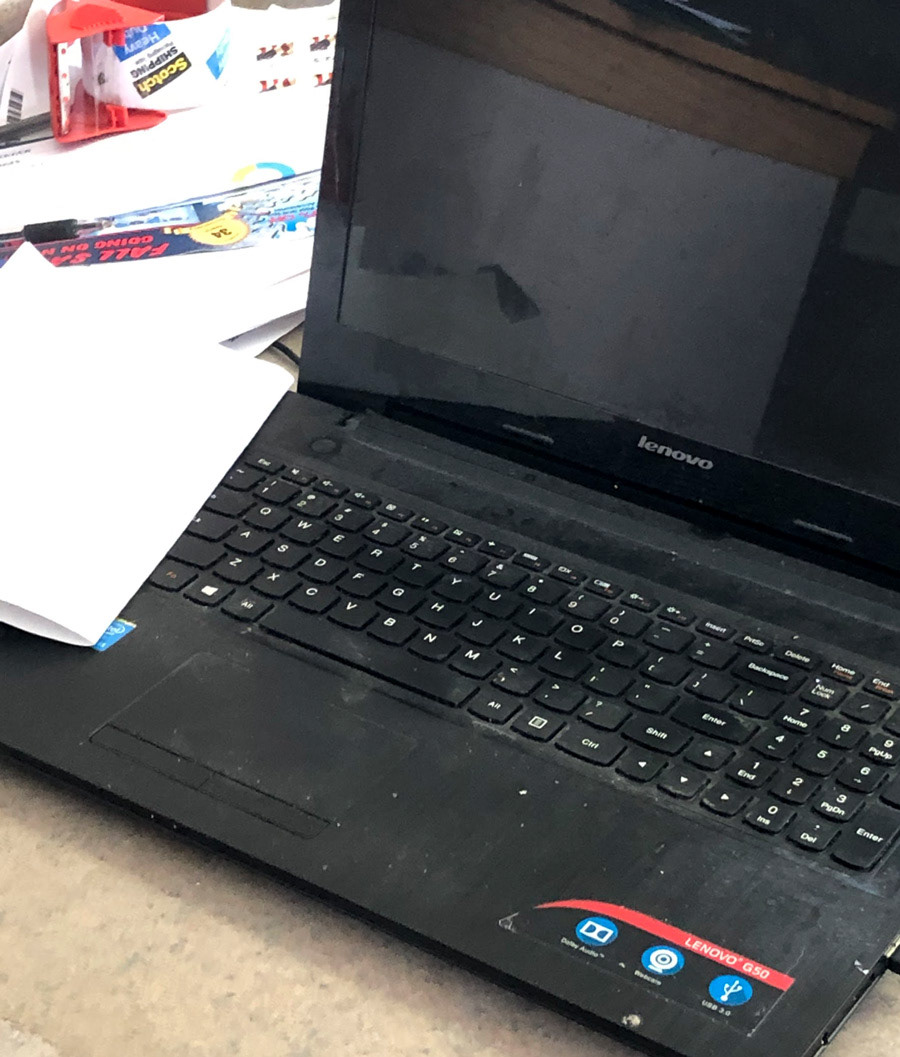
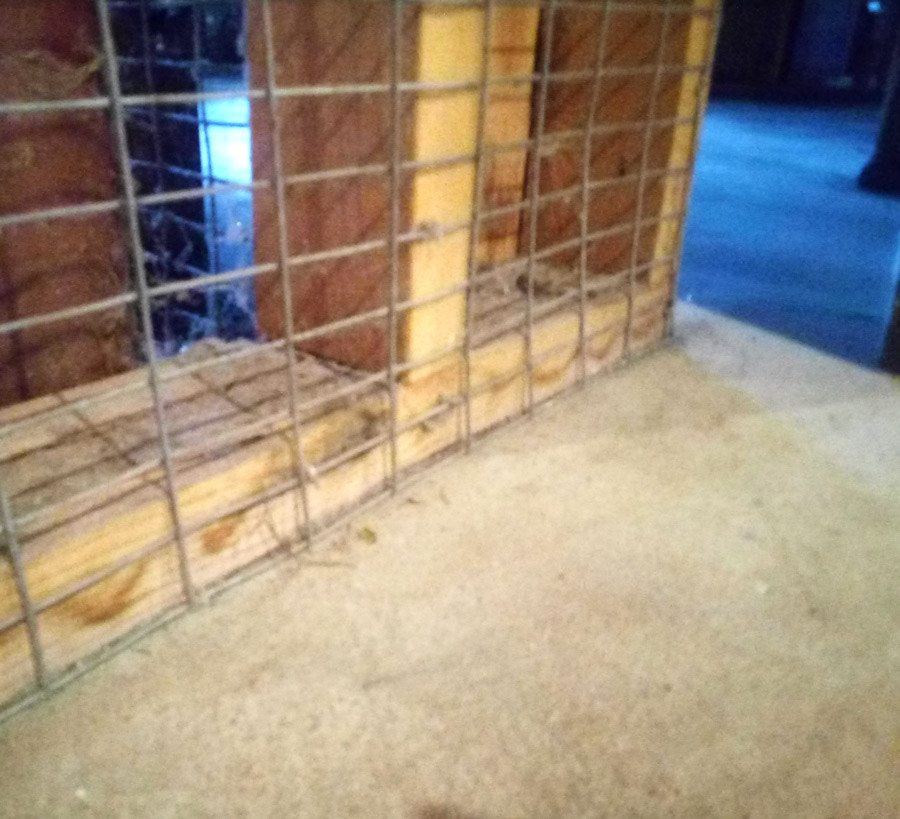
Abstraction and ambiguity are rich spaces of learning through observation and critical thinking. While breaking down images into abstract shapes, we learn composition, both in creation therein, and in existing compositions.
Abstraction and ambiguity are rich spaces of learning through observation and critical thinking. While breaking down images into abstract shapes, we learn composition, both in creation therein, and in existing compositions.
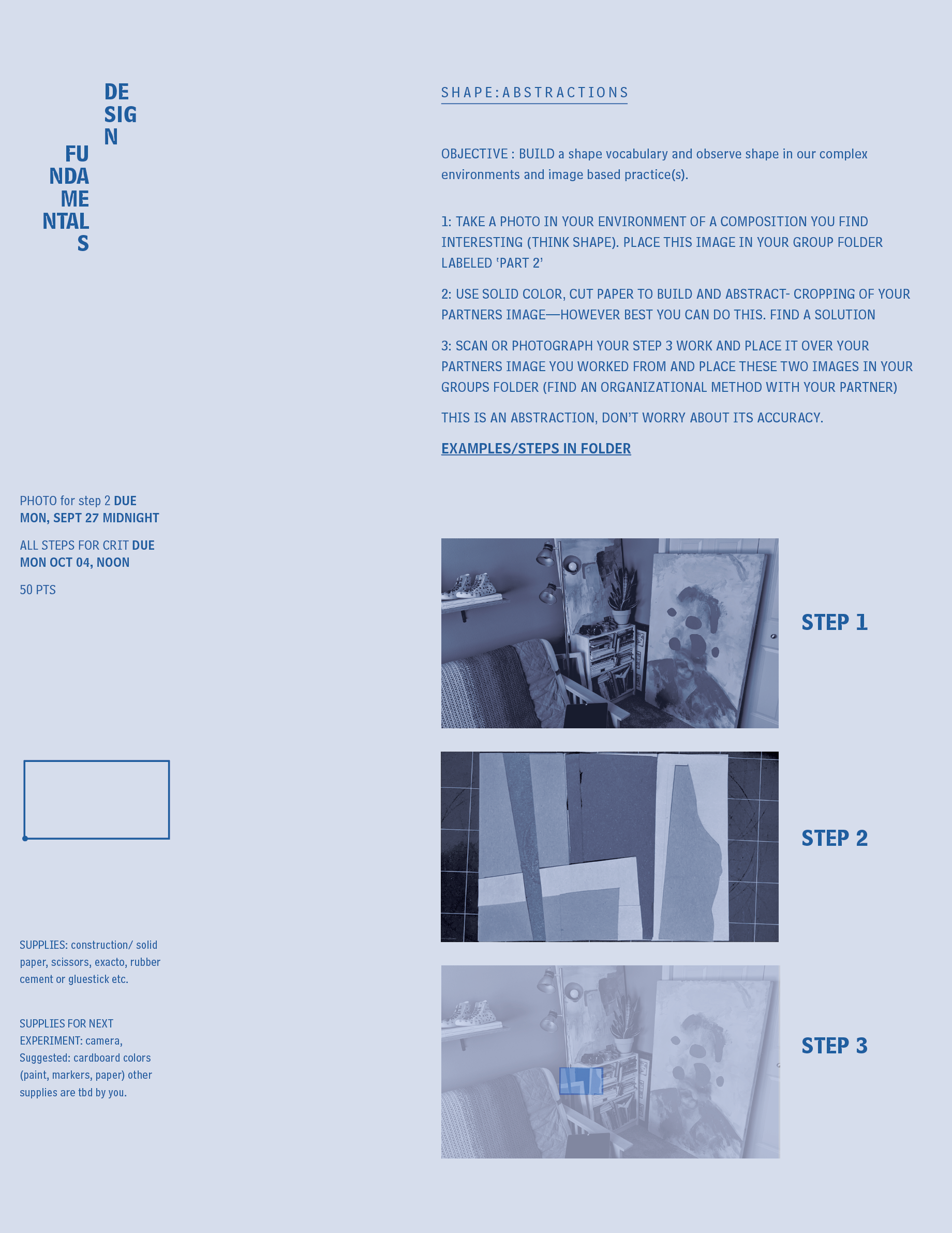
Morgan Sandler, Rob Concklin, John Giesecke, Xena Kenyon
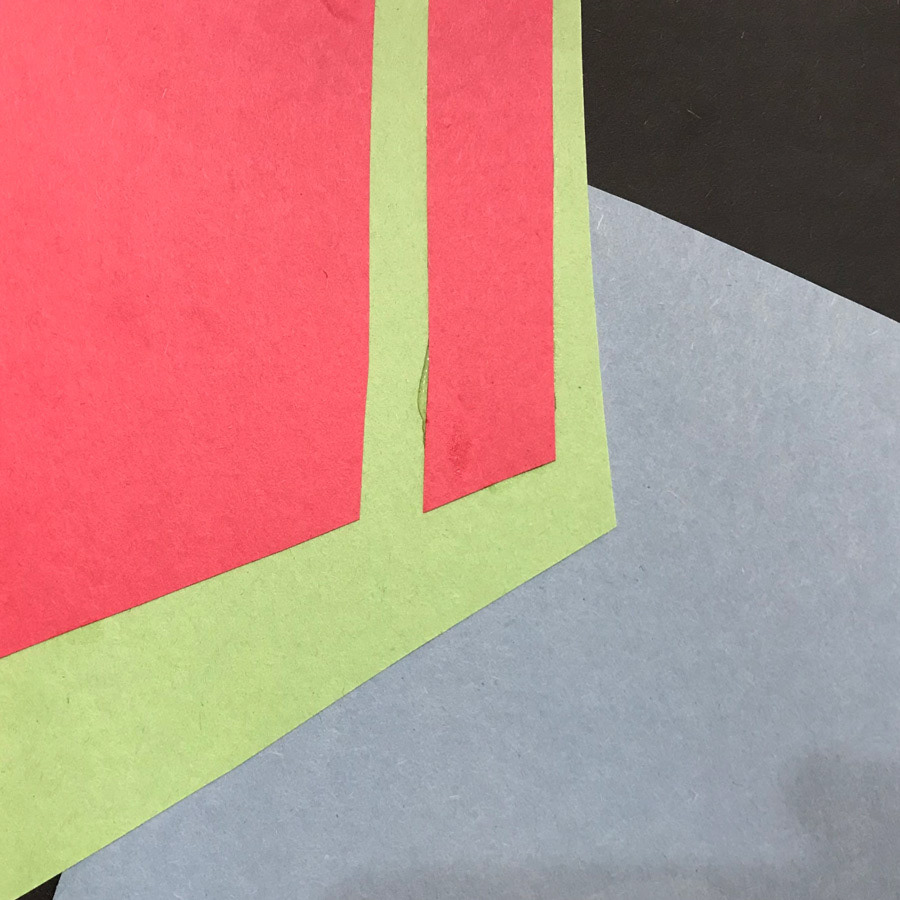
SPACE: REPLICAS & COMPOSITIONS (WK 5-7) OVERVIEW HERE
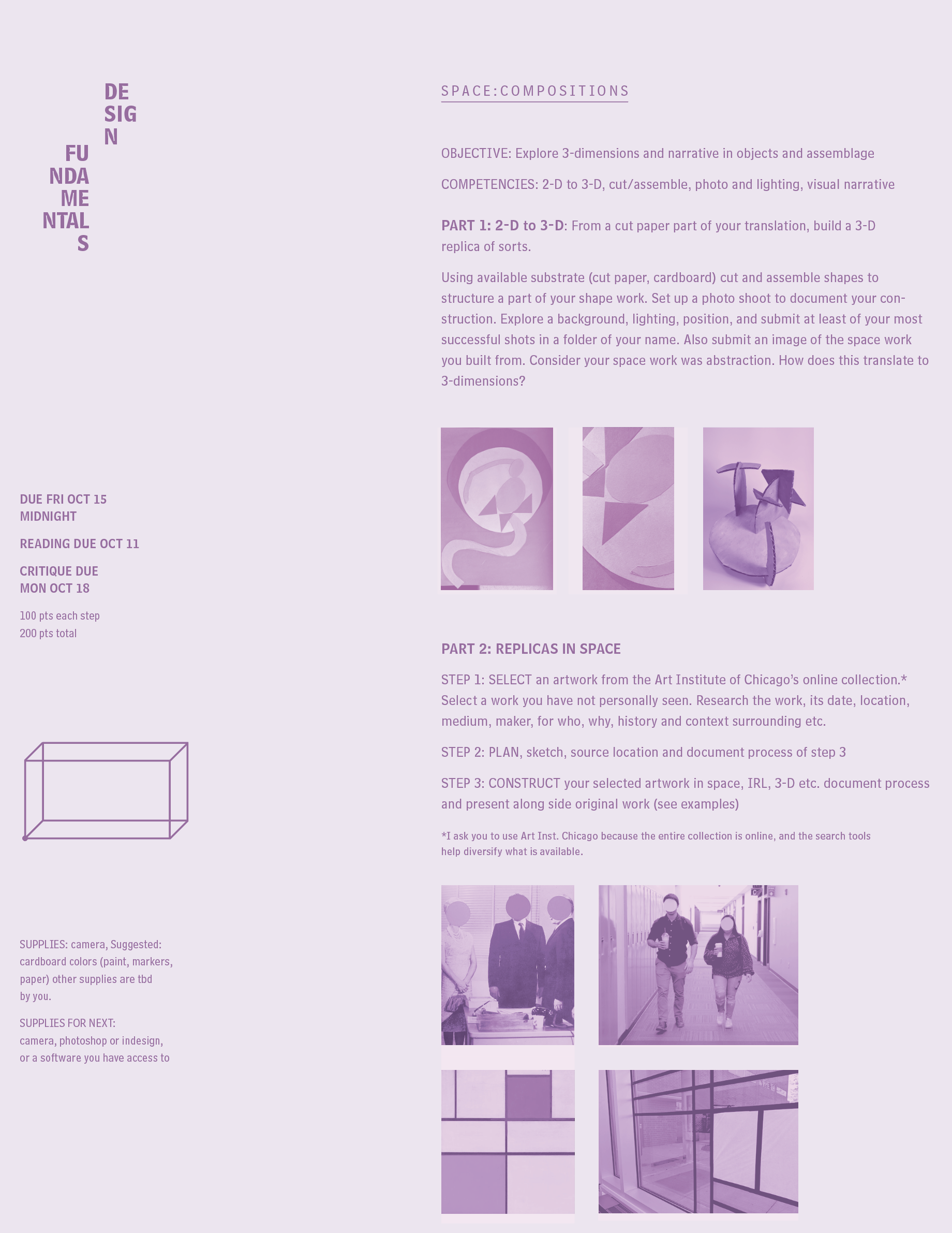
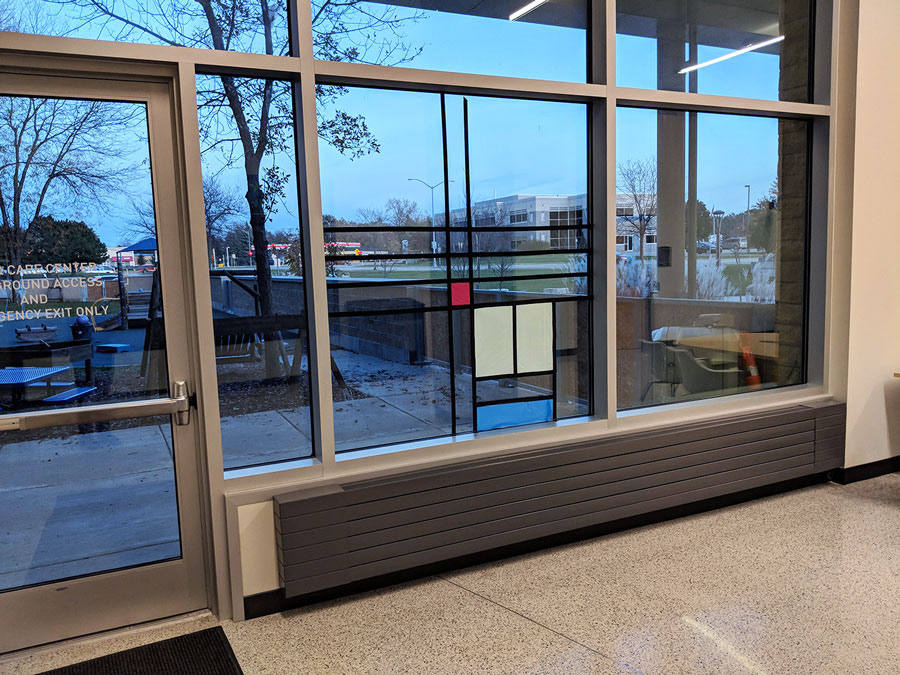
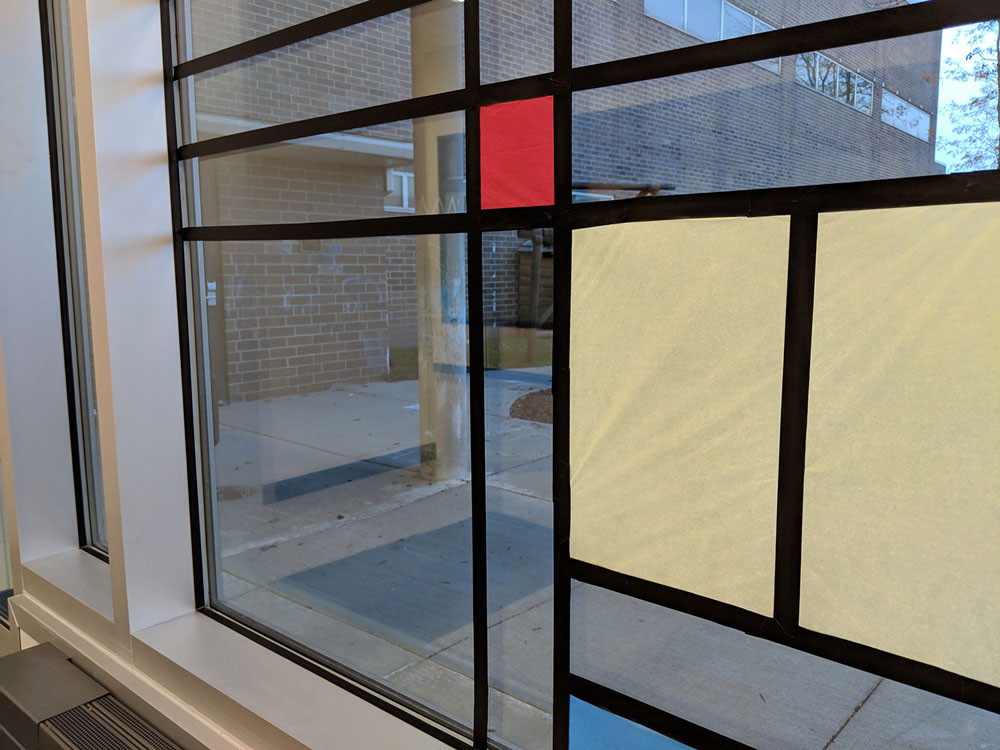
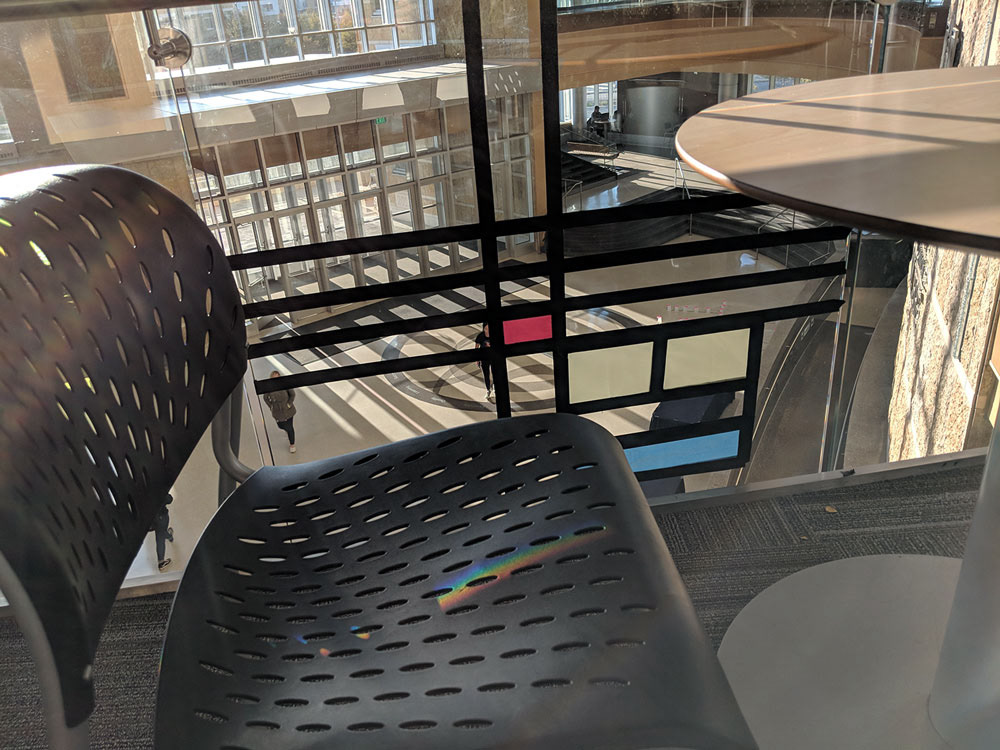
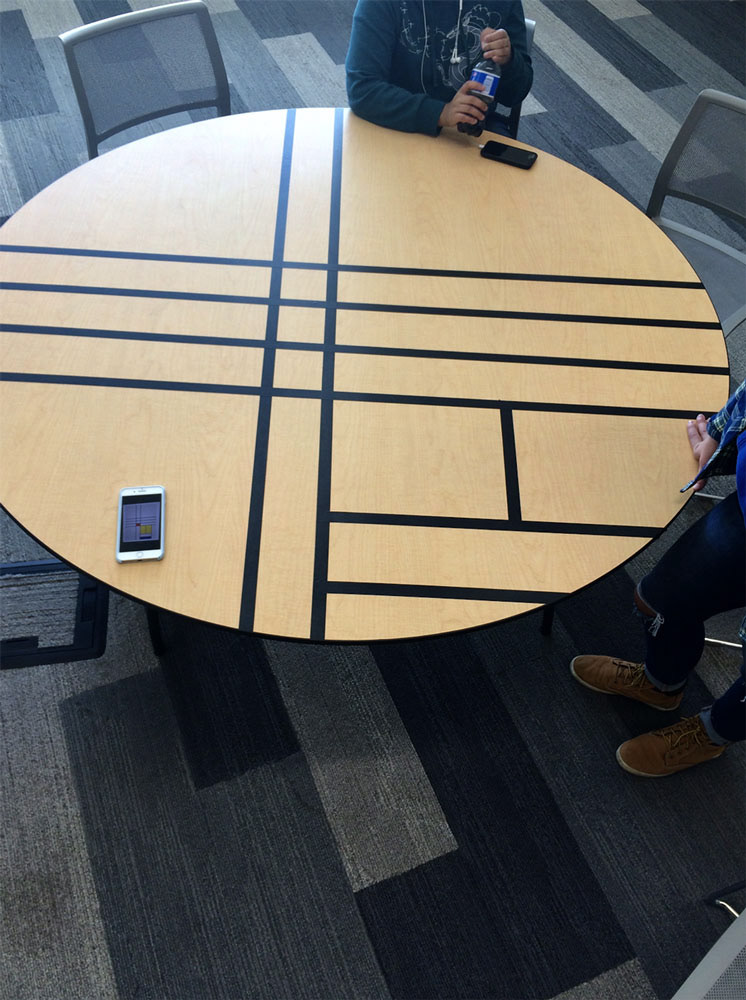
Mimicry is learning. Here we explore traditional art history, presenting ideas to a small group, providing at least five "famous" artworks from books in the library. One work is selected collectively per group and built in a relevant location on campus for an audience of peer.
OR/OPTIONS the 'Shape Abstractions' above can be made three-dimensional (SPACE 2-D to 3-D
Mimicry is learning. Here we explore traditional art history, presenting ideas to a small group, providing at least five "famous" artworks from books in the library. One work is selected collectively per group and built in a relevant location on campus for an audience of peer.
OR/OPTIONS the 'Shape Abstractions' above can be made three-dimensional (SPACE 2-D to 3-D
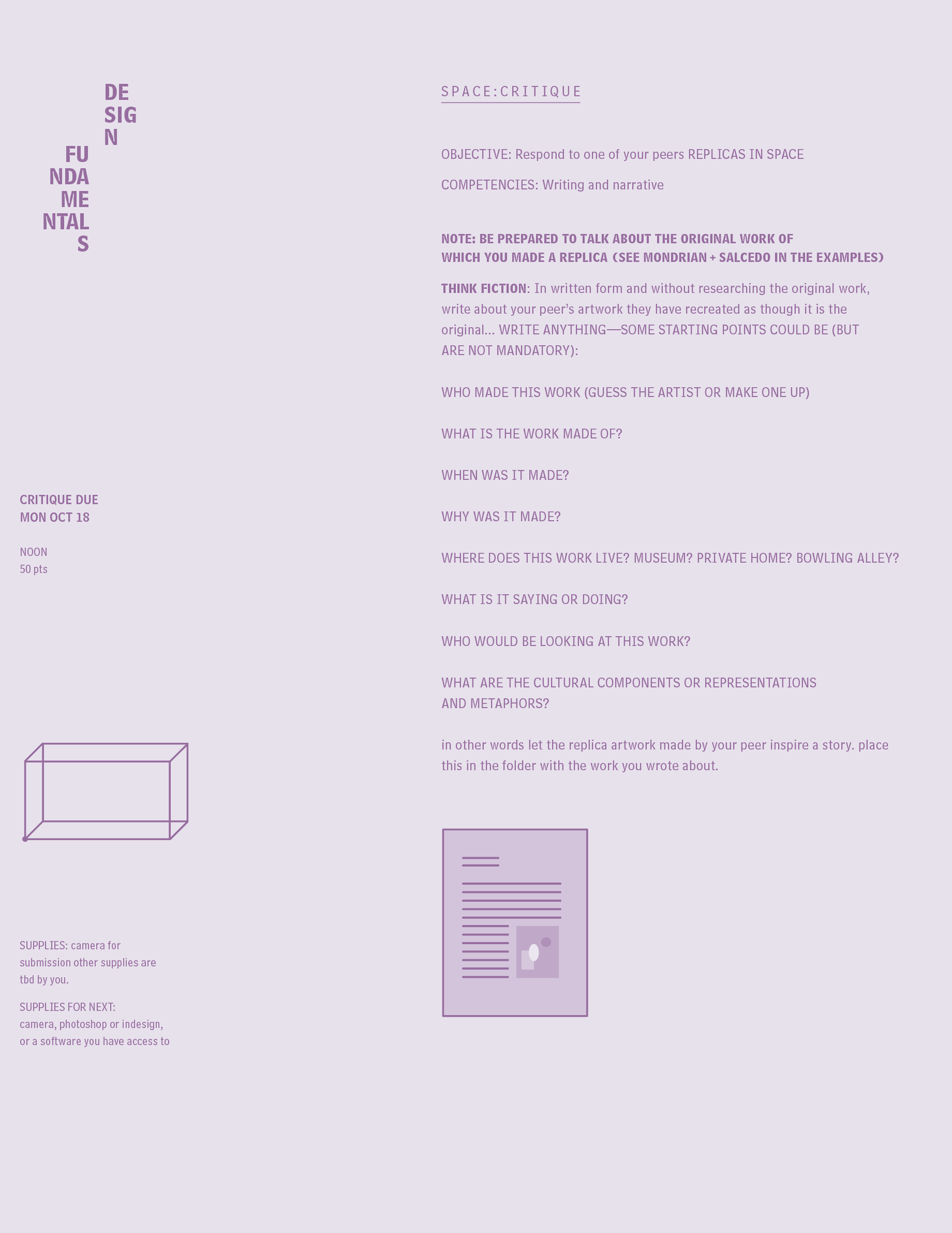
STUDENT WORK:
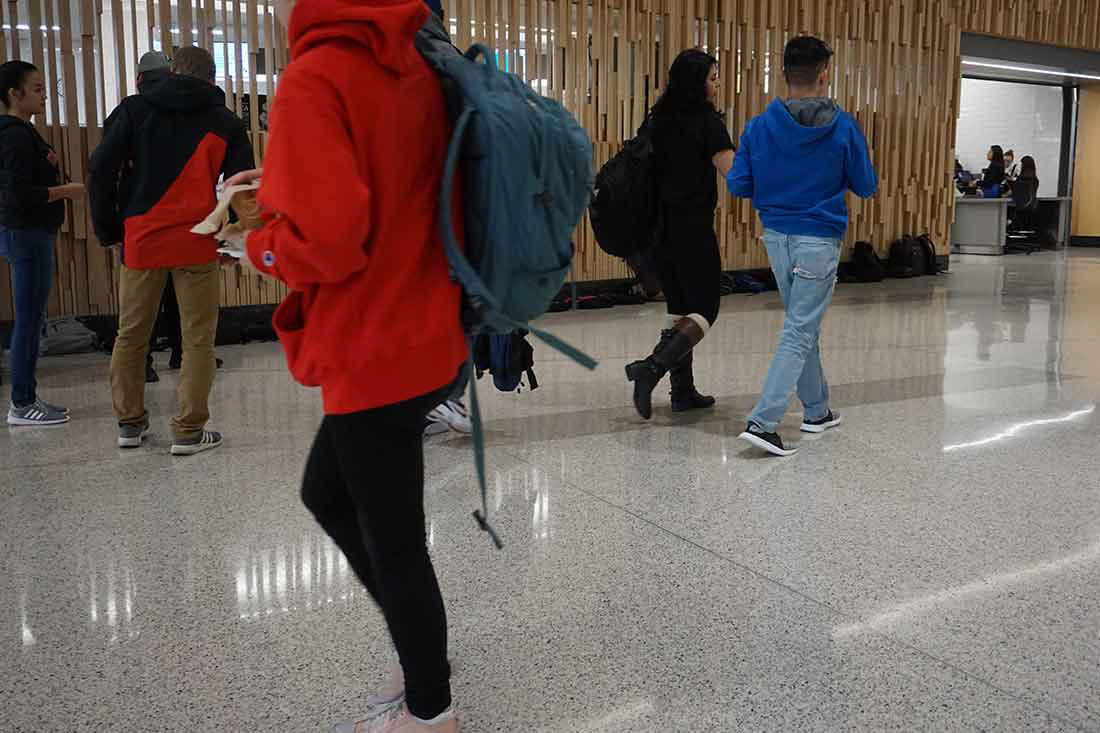
Blossom Lee, Chris Wozniak, Mike Schmitz: 42 bags (inspired by: Noviembre 6 y 7 Doris Salcedo, 2002)
Blossom Lee, Chris Wozniak, Mike Schmitz: 42 bags (inspired by: Noviembre 6 y 7 Doris Salcedo, 2002)
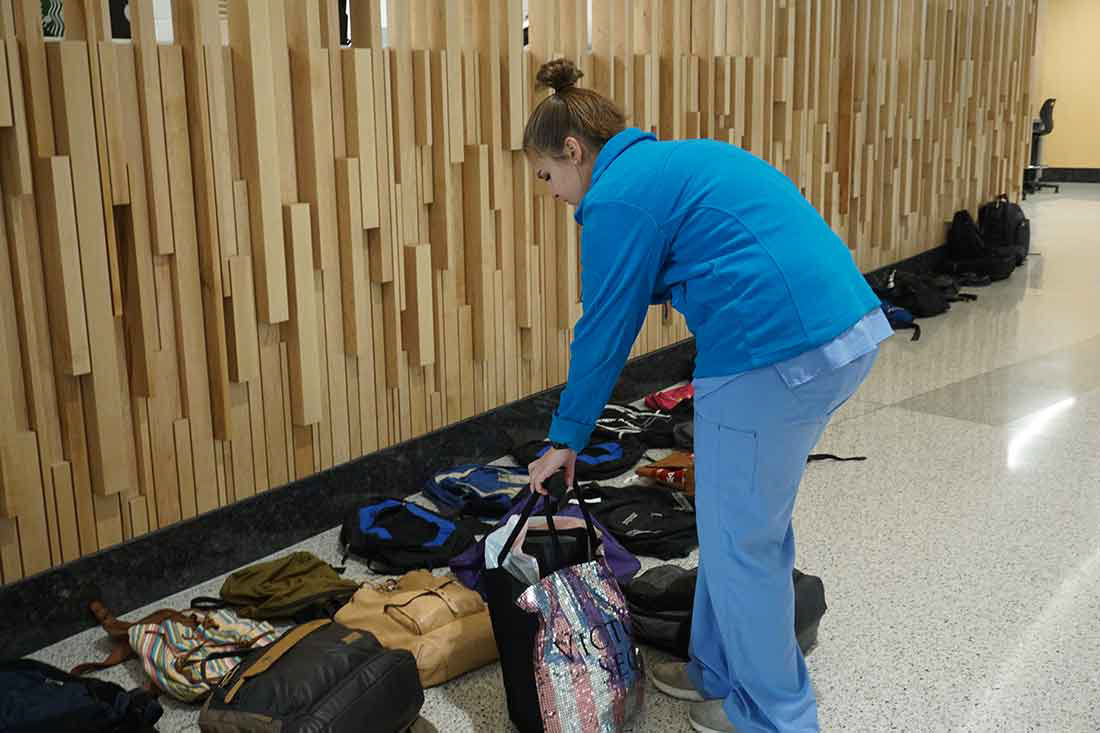
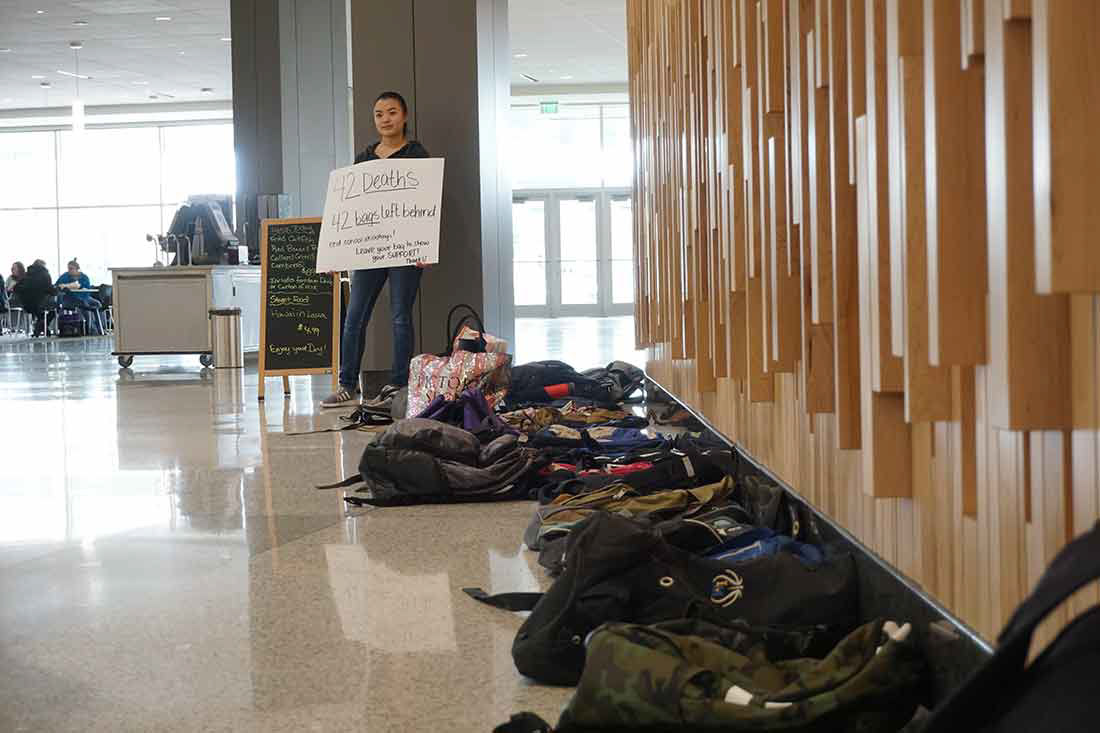
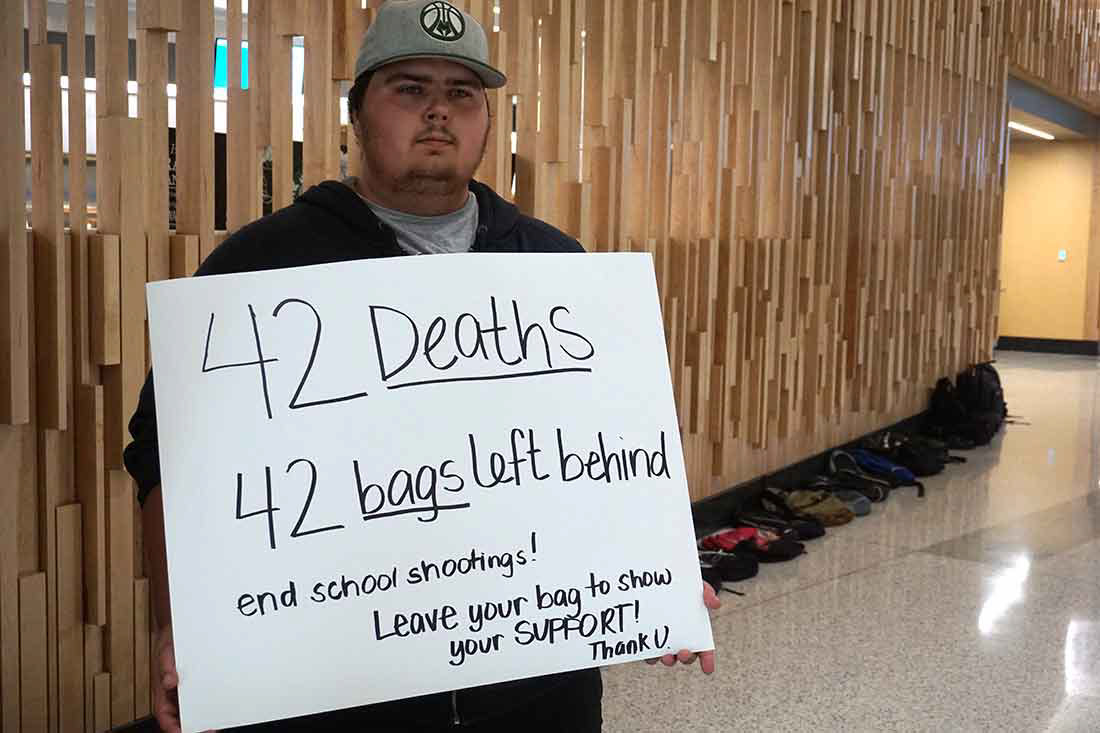
Arielle Frazier, Elena Castillo, Cole Drager: DOTS IRL (inspired by: John Baldessari, Dots, 1986-2020)
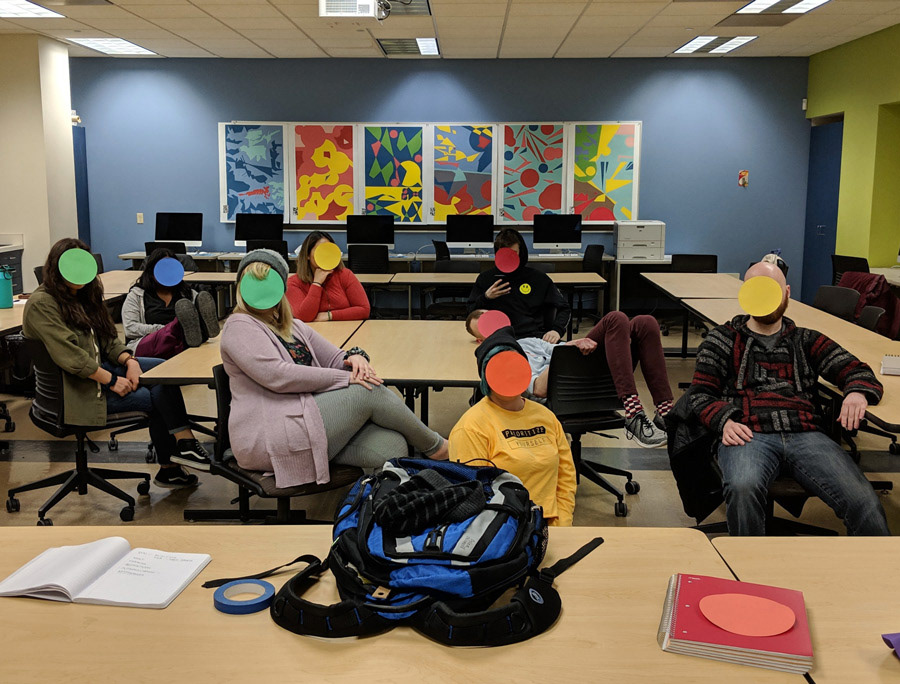
Brittney Hemling-LeDuff, Kelly Kubicek, Matthew McCabe: Mondrian Composition II
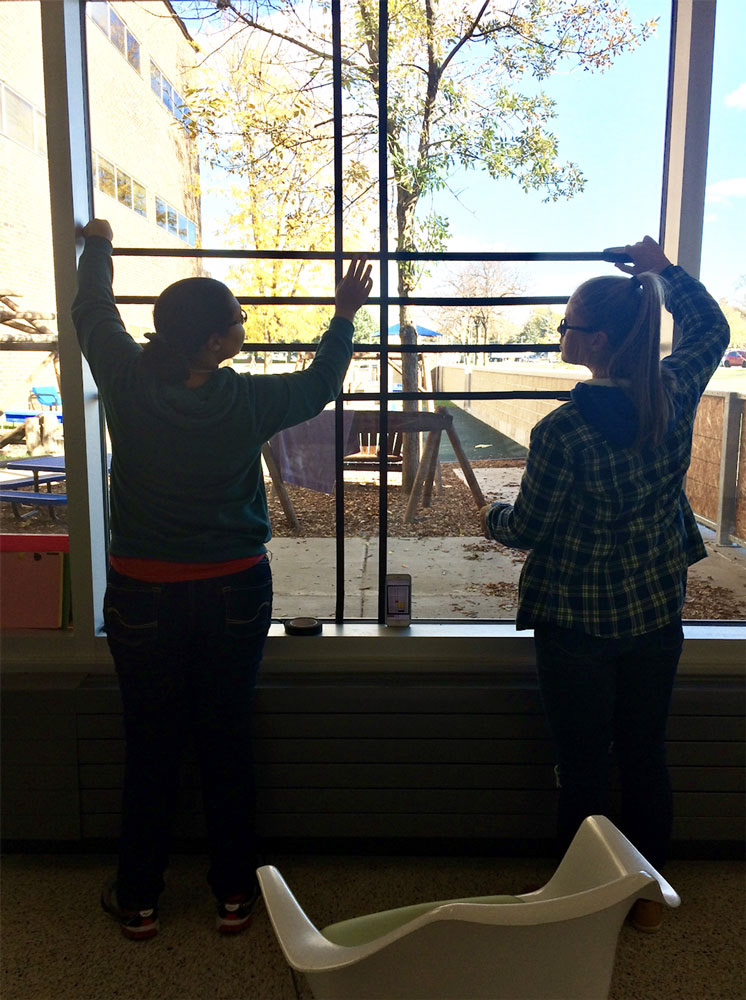
SPACE: 2-D to 3-D
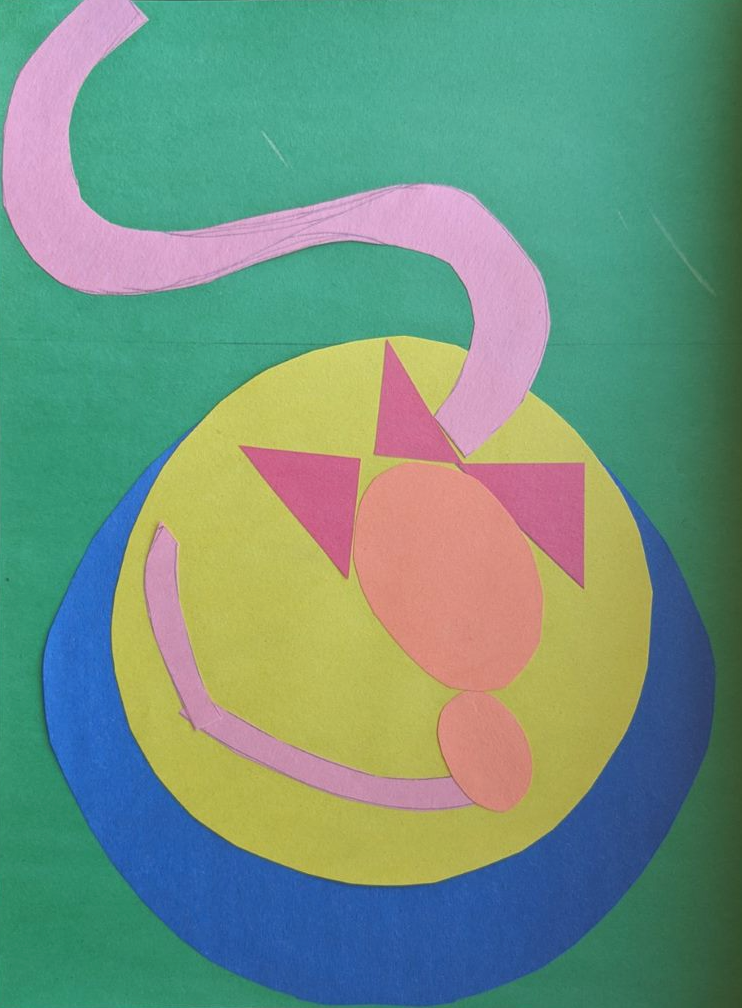
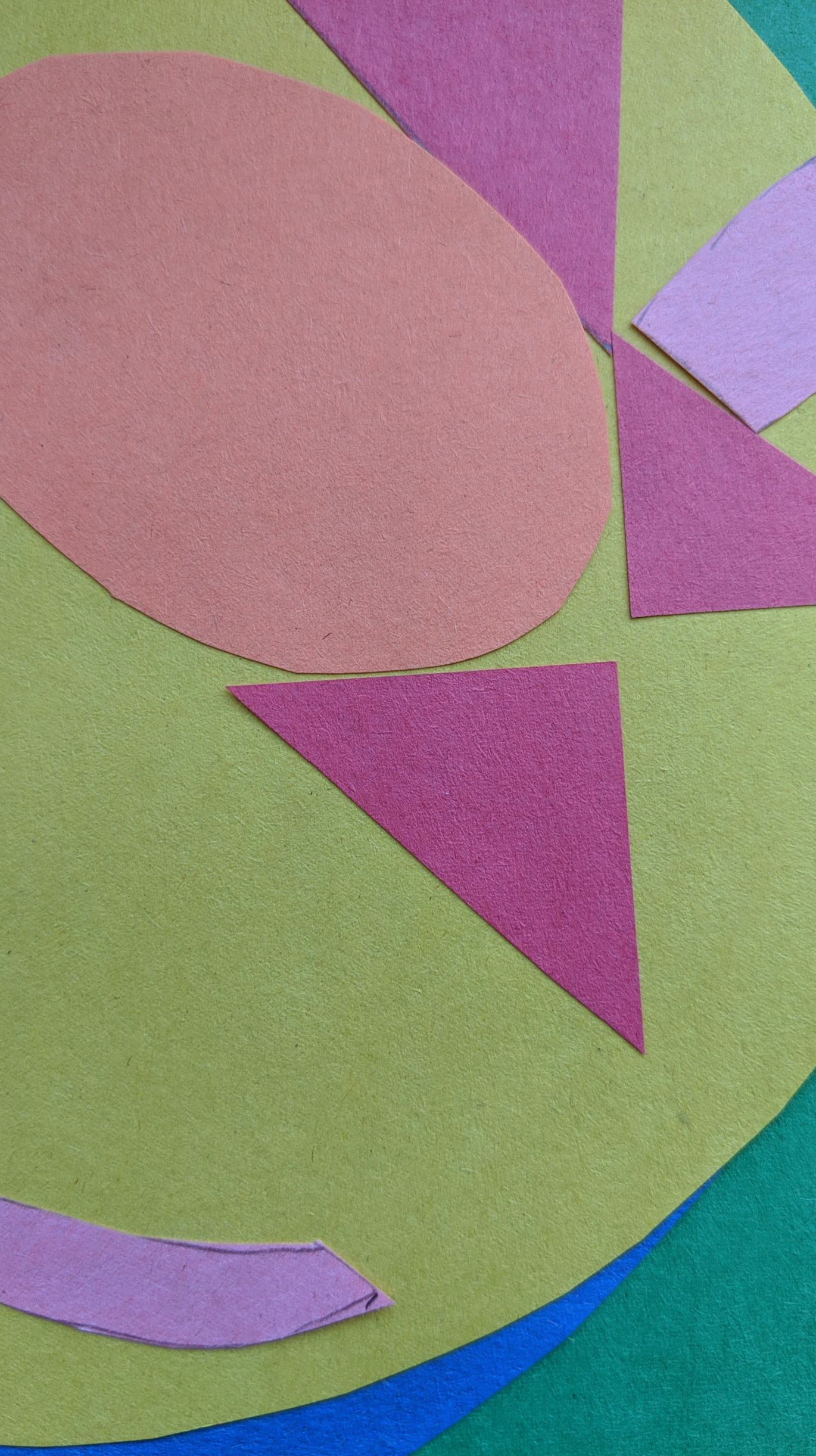
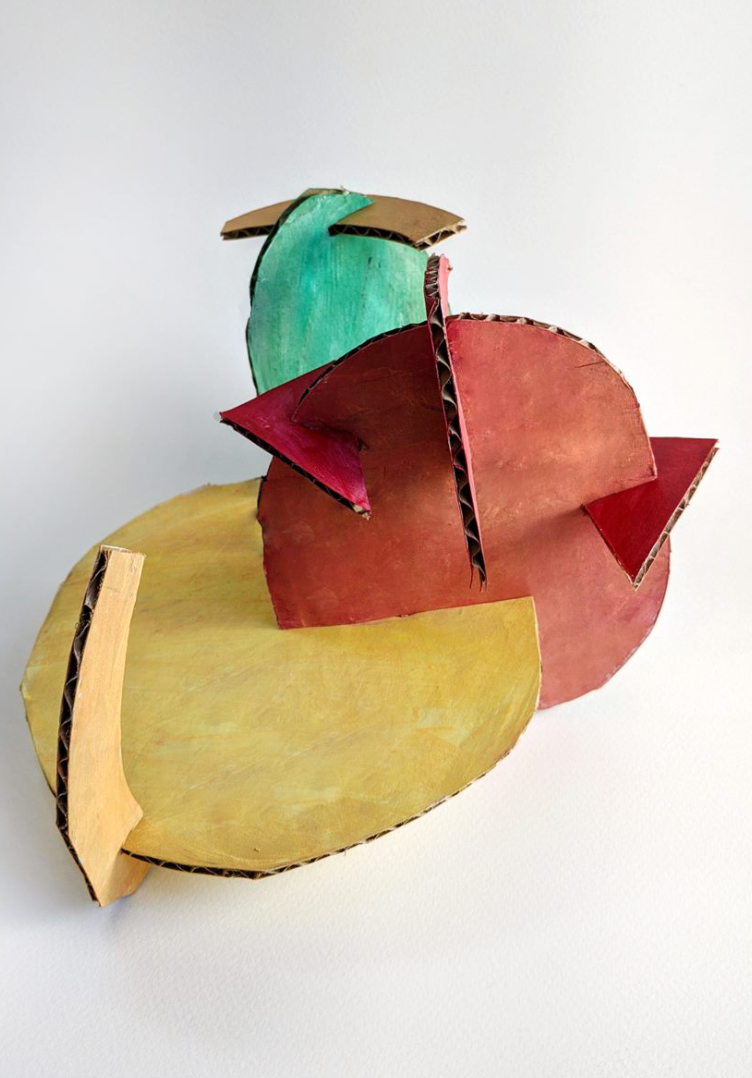
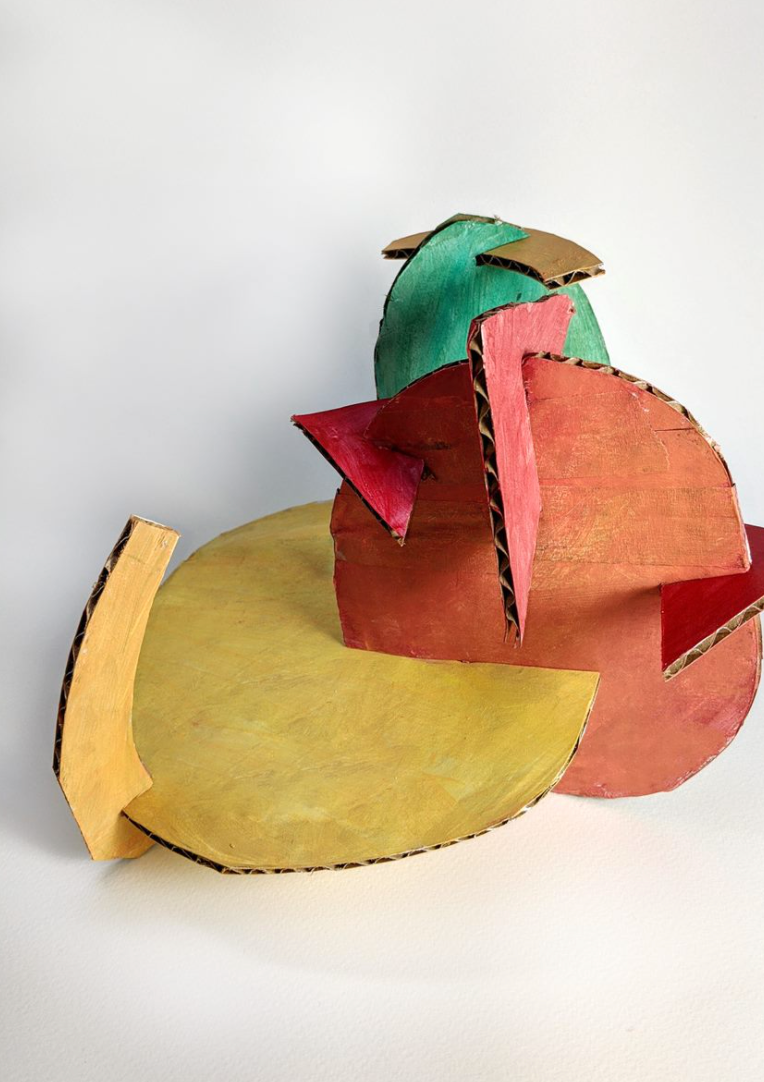
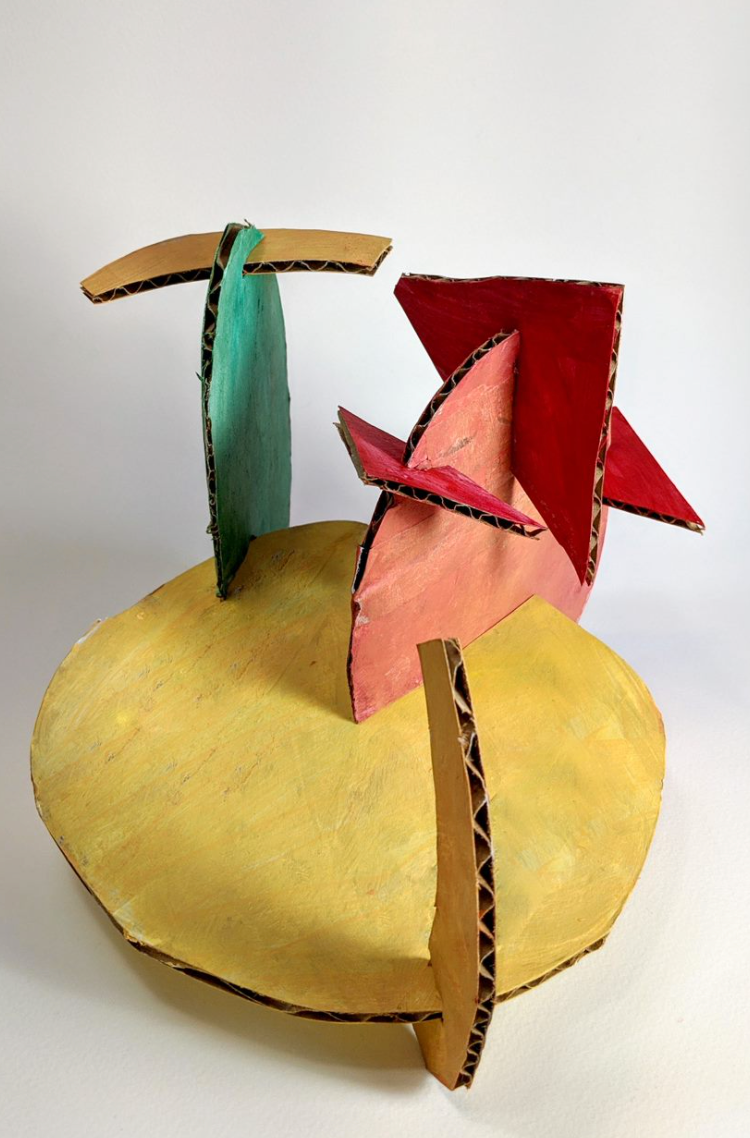
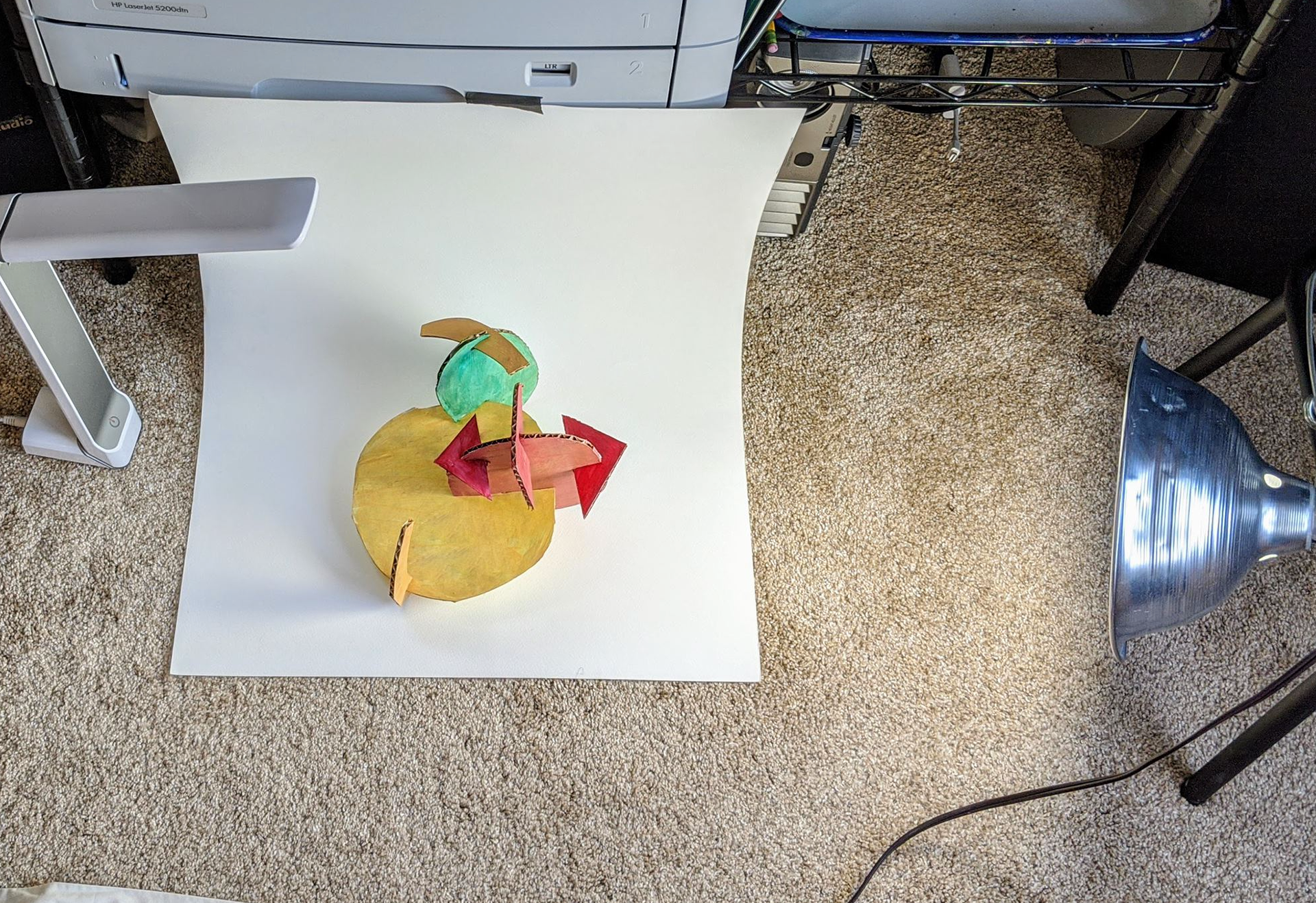
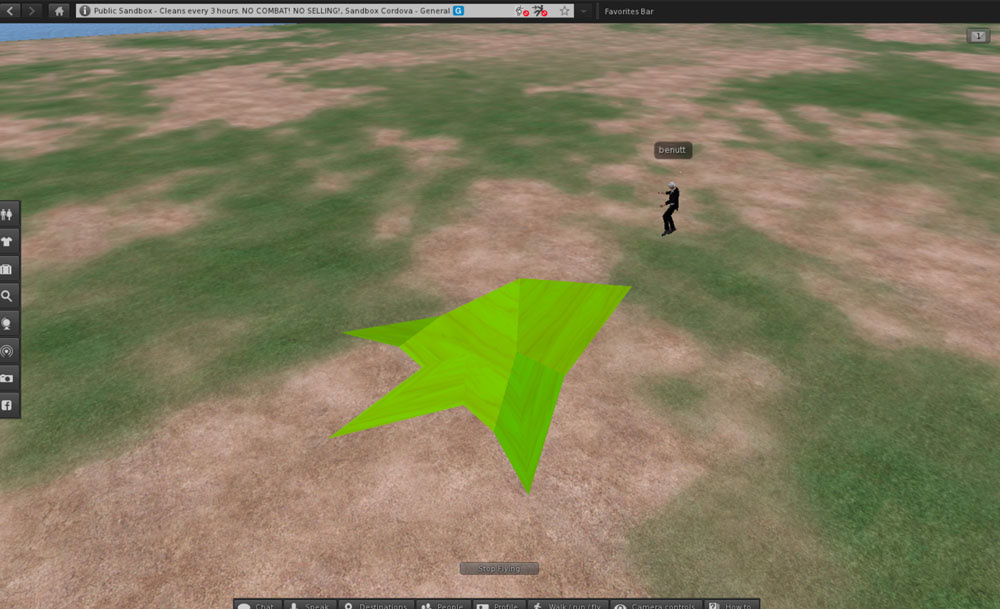
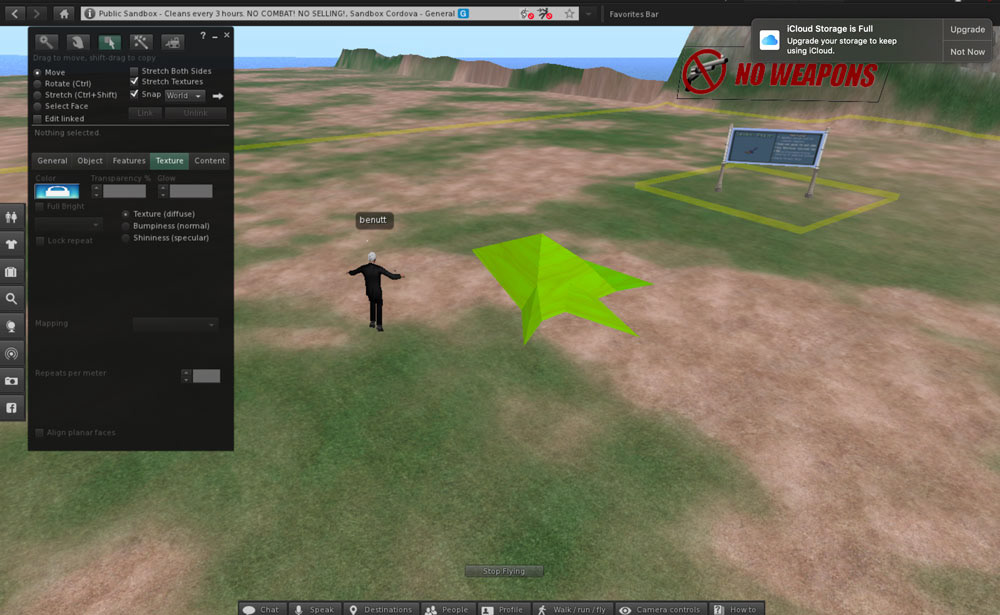
OPTION: IMG > ABSTRACTION > 3D > VIRTUAL (SECOND LIFE) Benett Roske

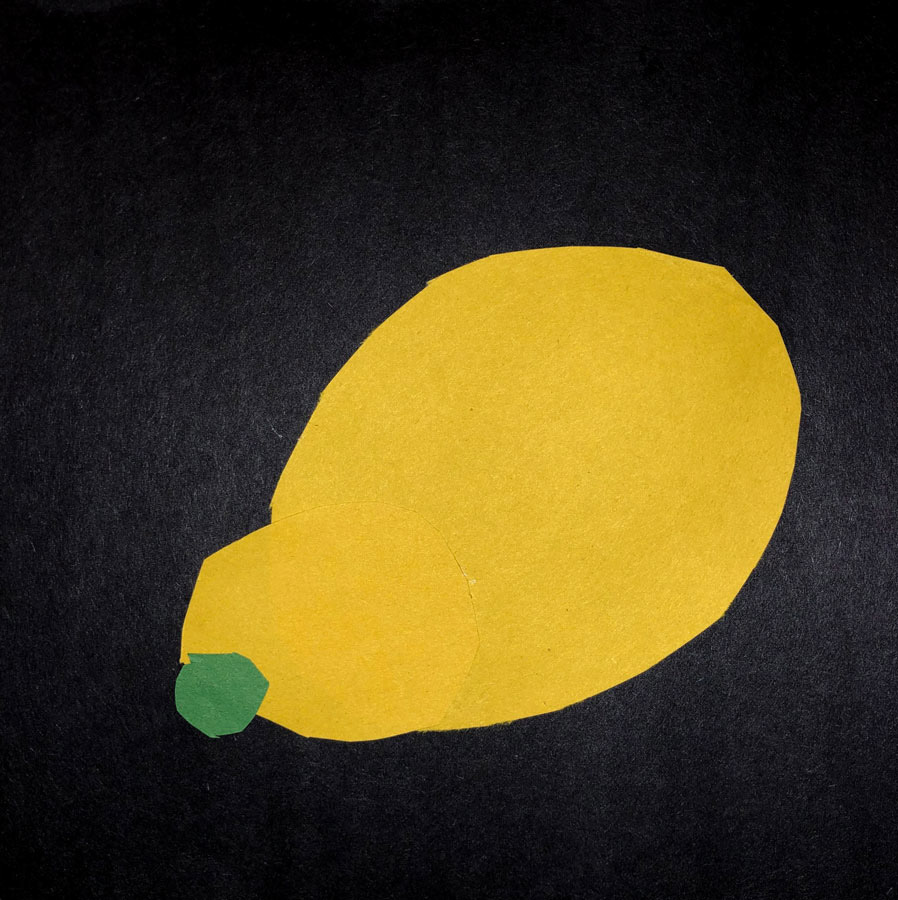
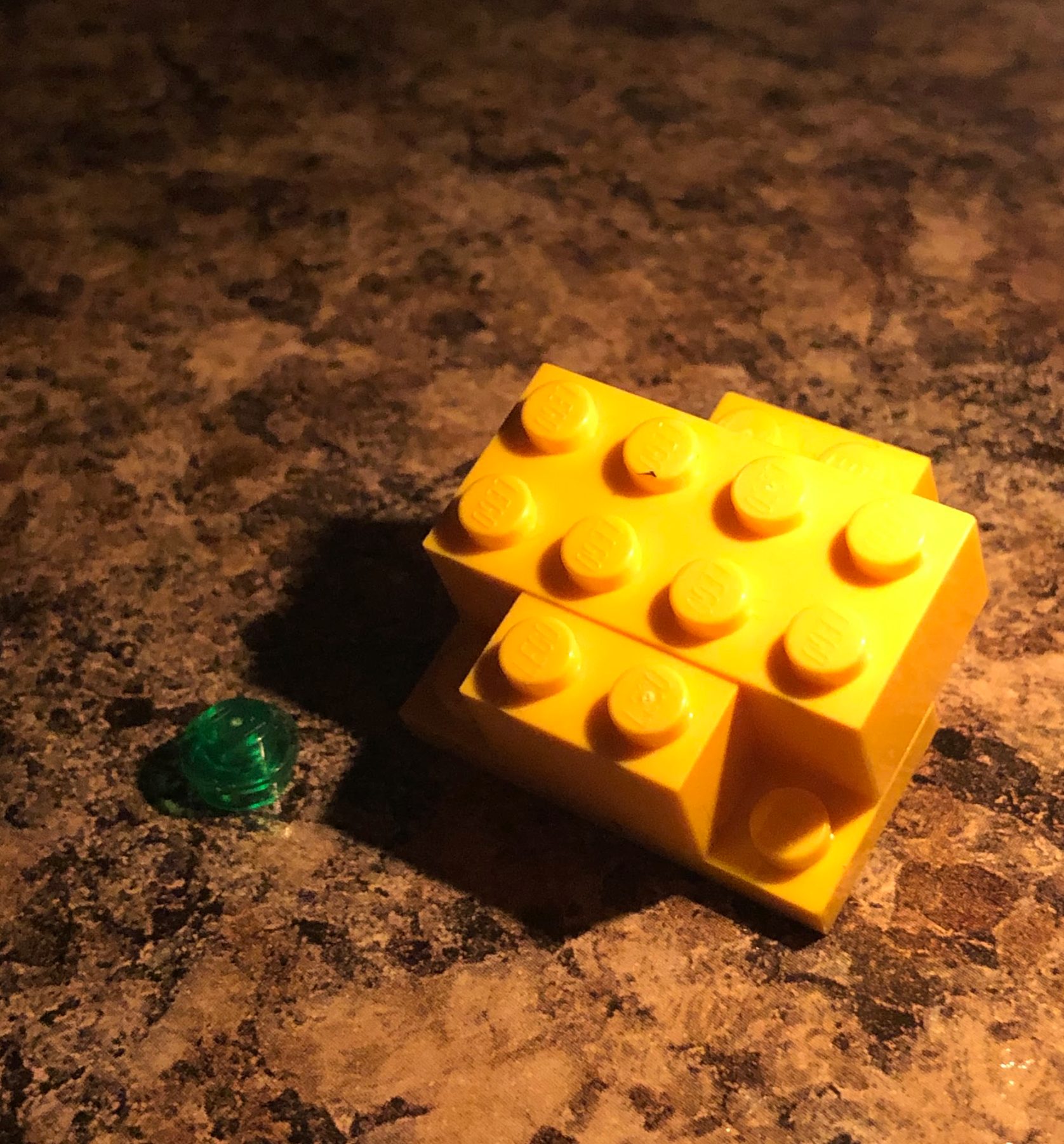
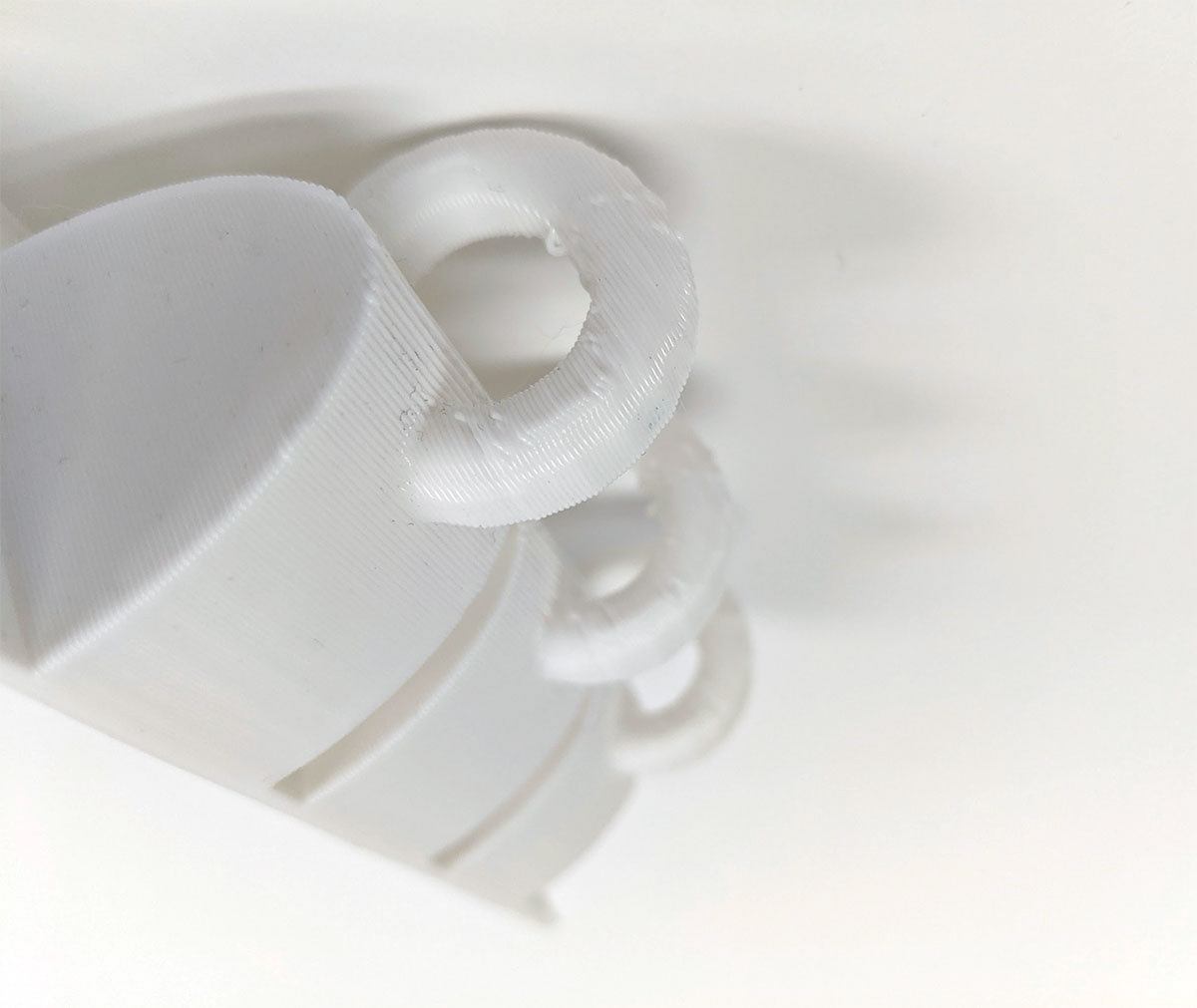
SHAPE: 3D-PRINTED INSTRUCTION-BASED TRANSLATIONS GAMIFIED "TELEPHONE":
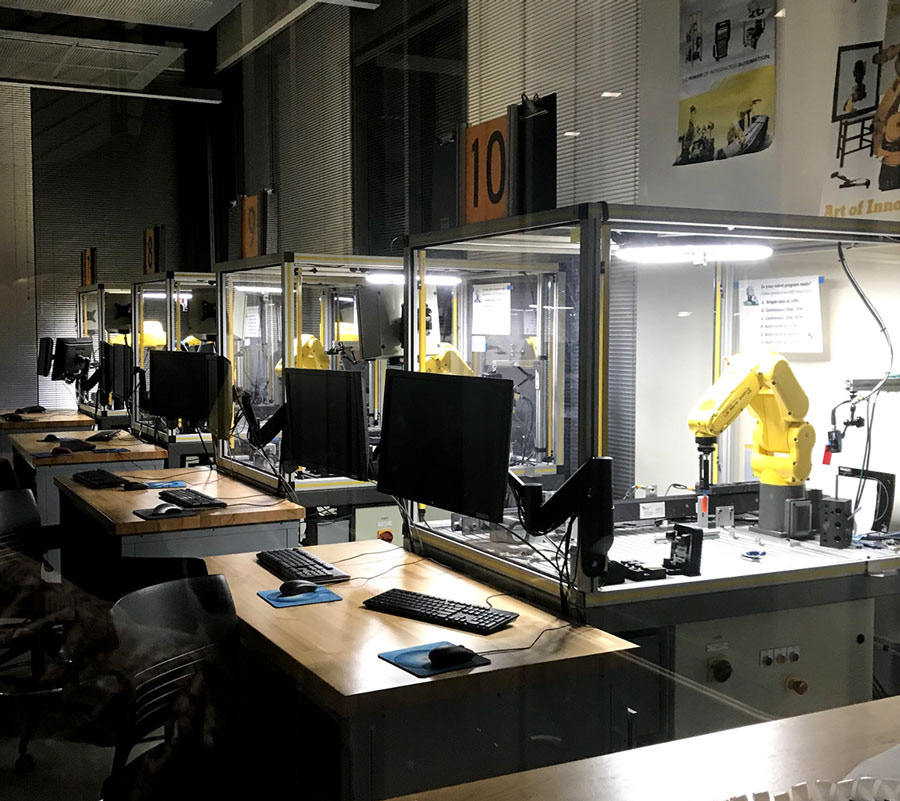
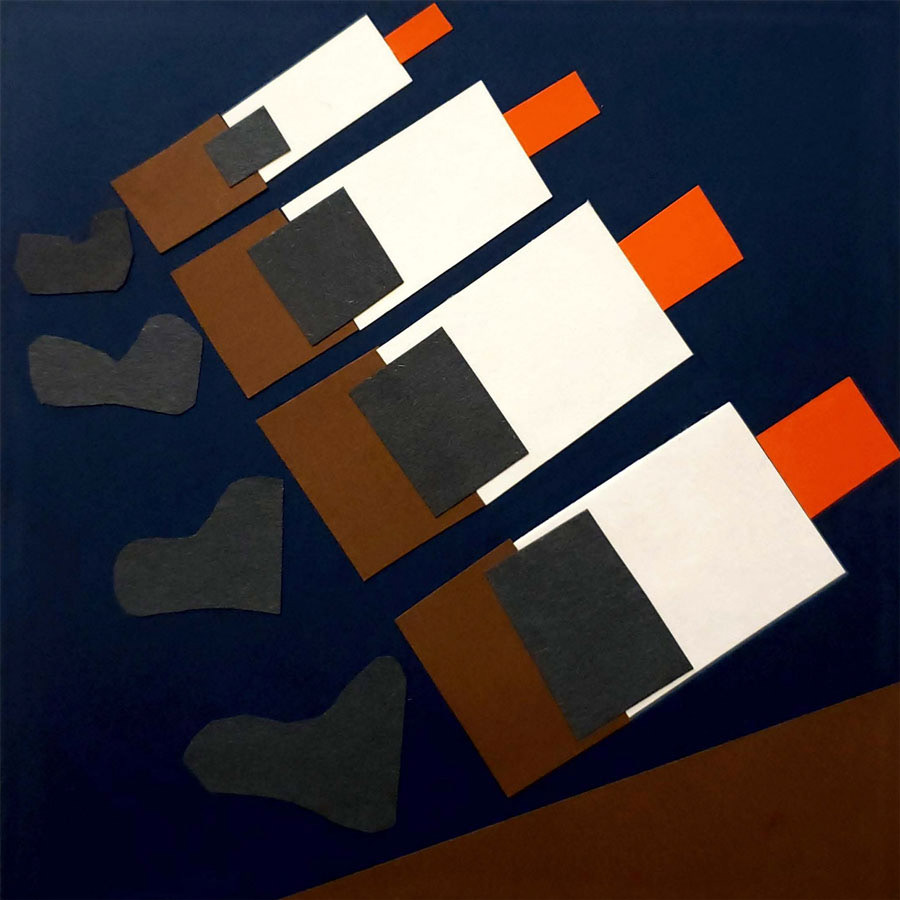
Karly Kretschmer-Hensley + Leon Griffin
Karly Kretschmer-Hensley + Leon Griffin
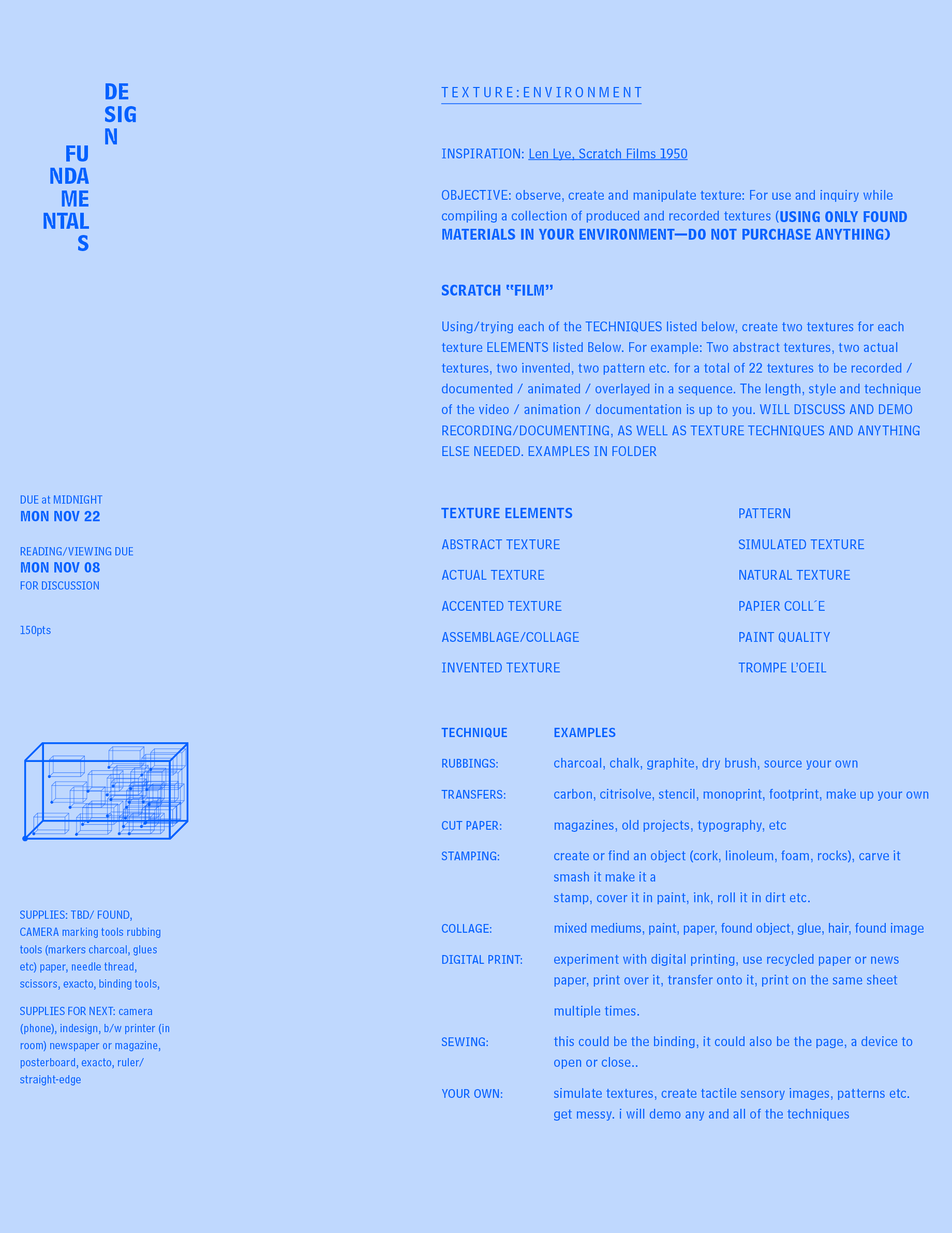
TEXTURE: "SCRATCH FILM" (WK 7-9) OVERVIEW HERE
STUDENT WORK:
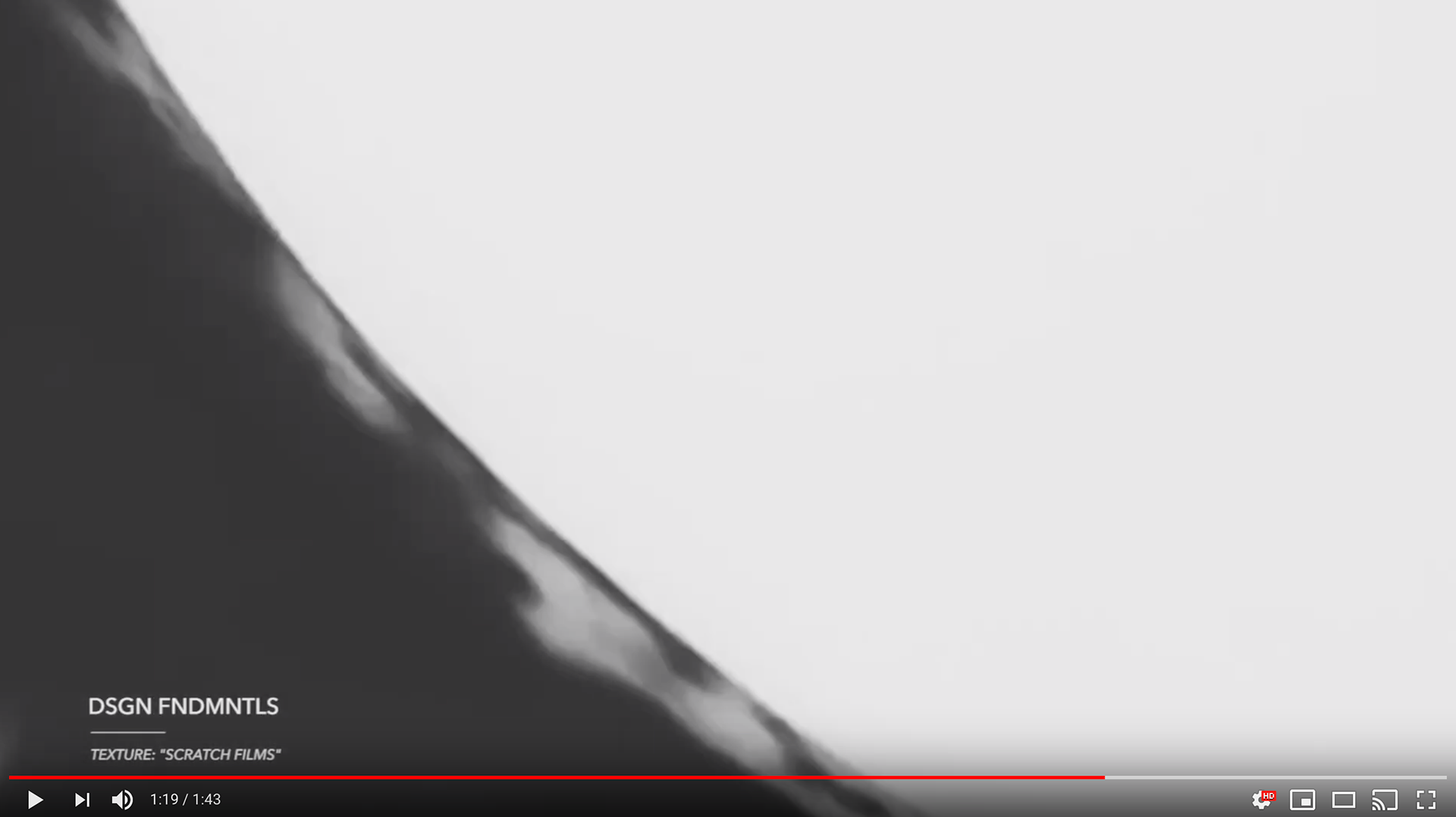
"SCRATCH FILMS" (REEL)
"SCRATCH FILMS" (REEL)
VALUE: VALUES (WK 9-11) OVERVIEW HERE
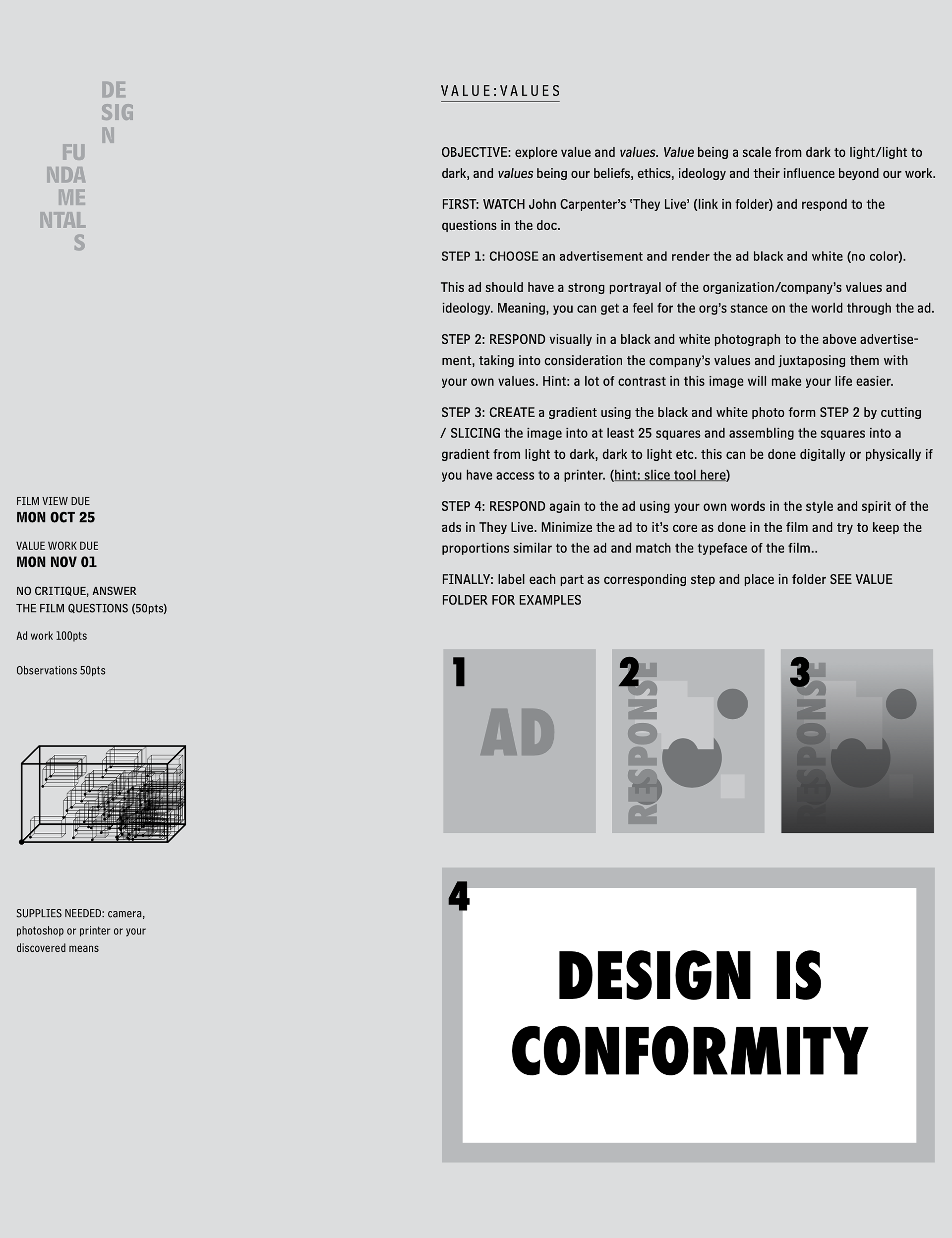
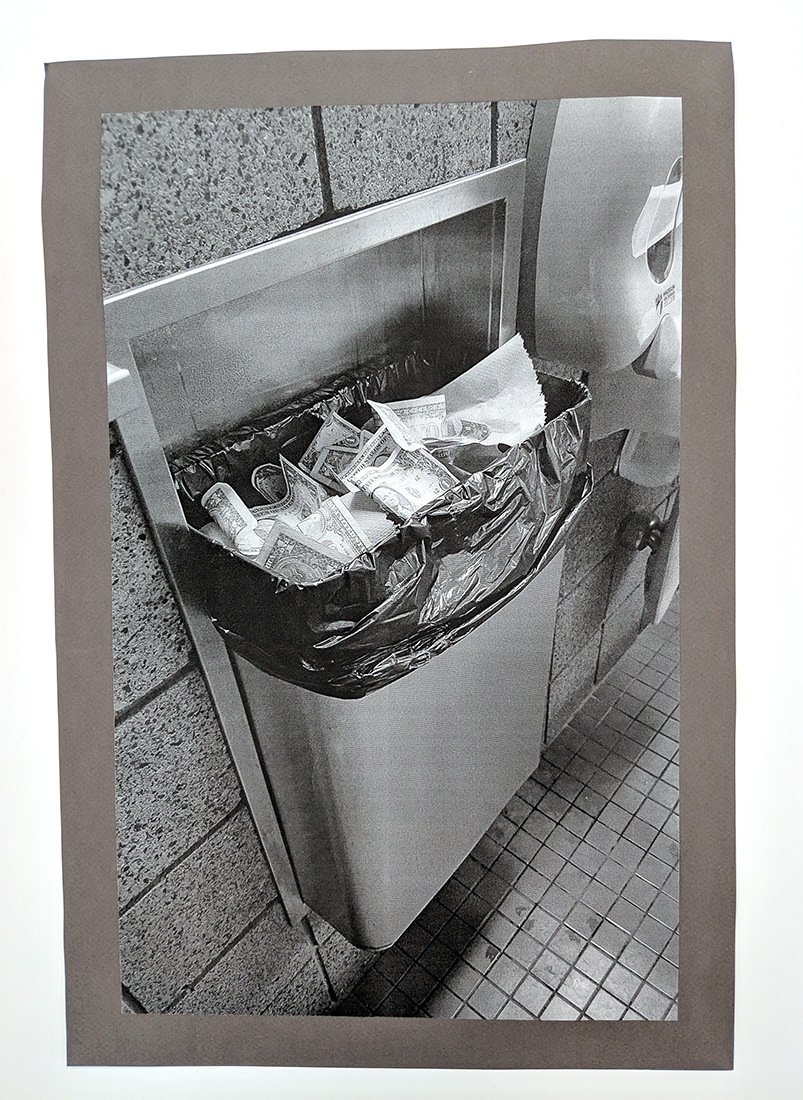
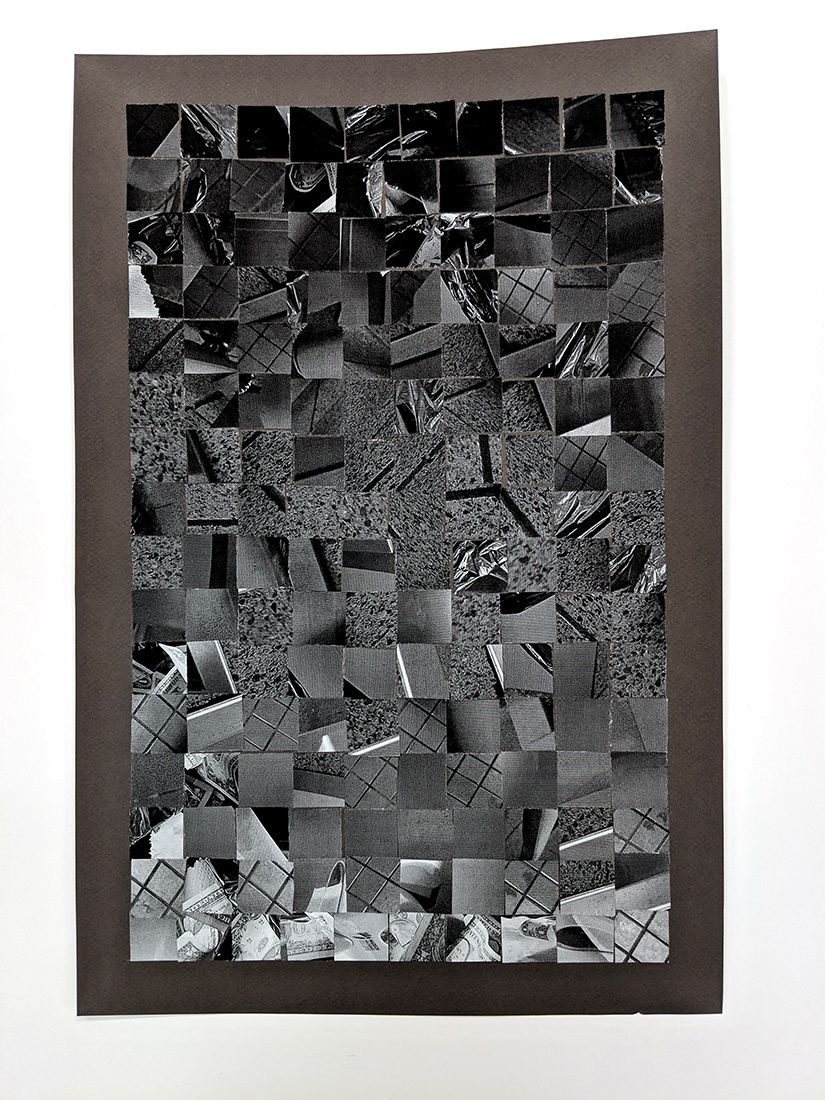
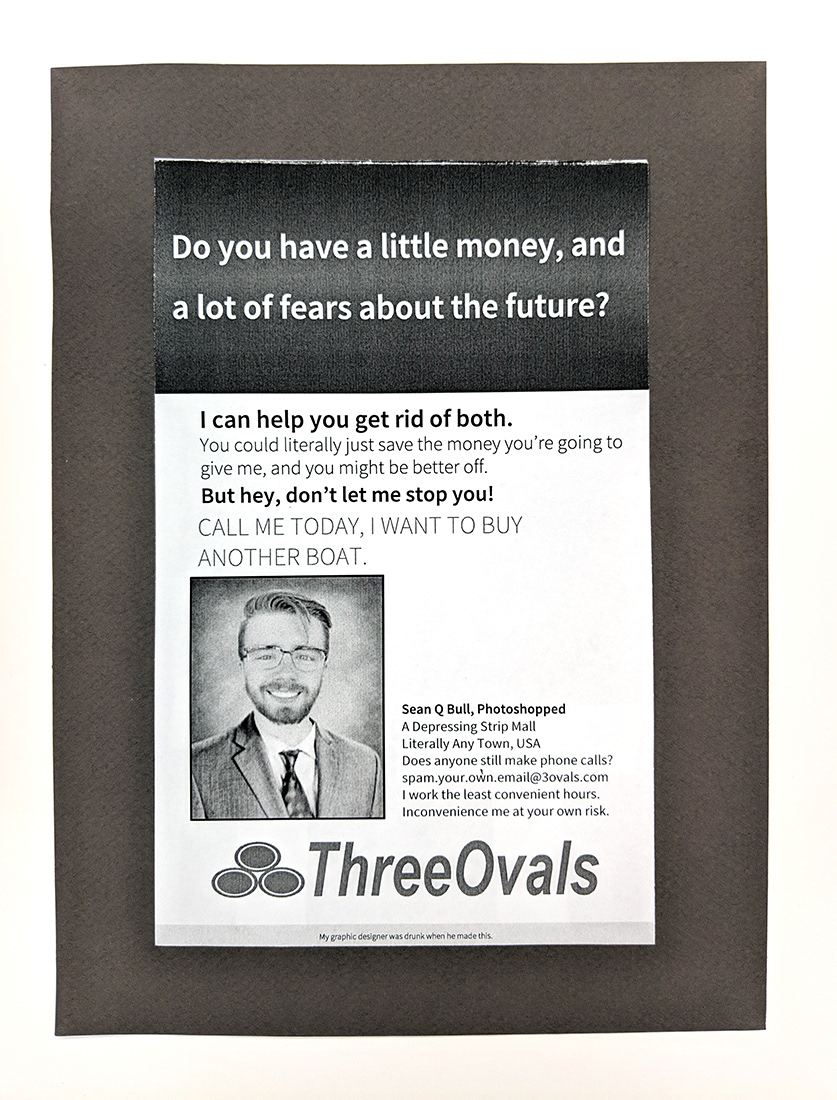
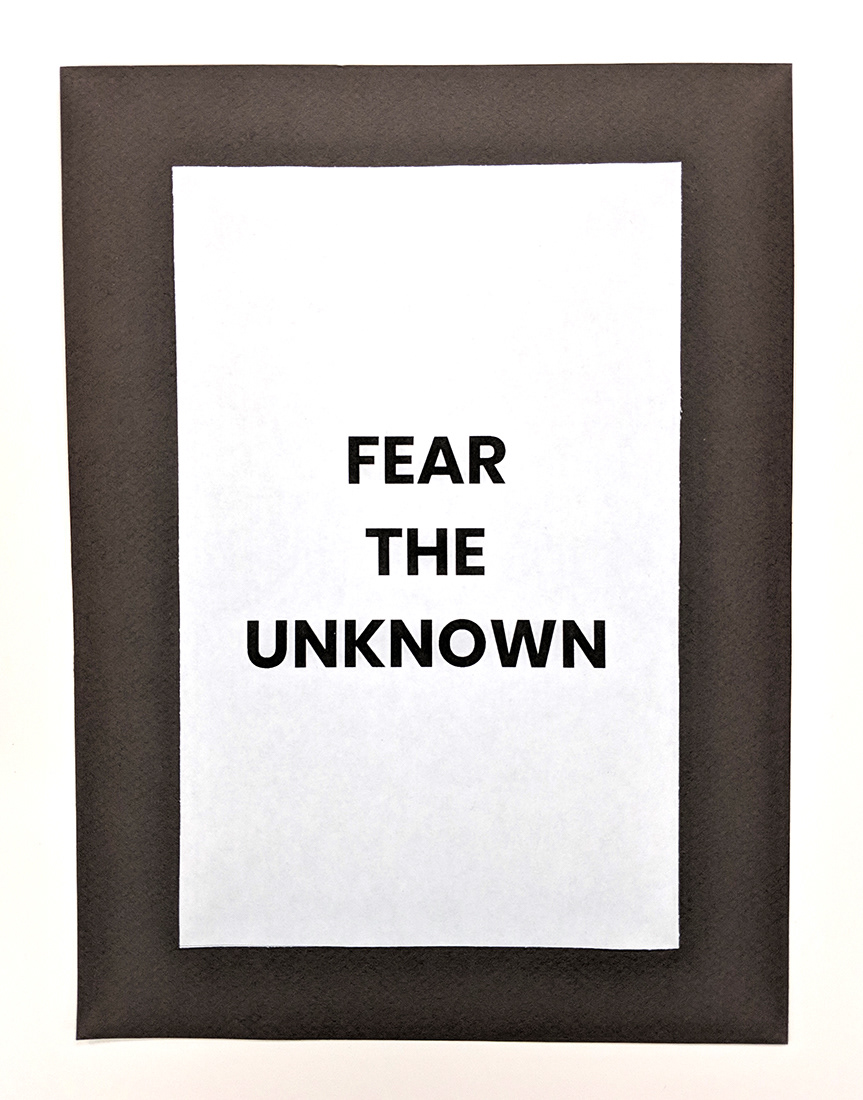
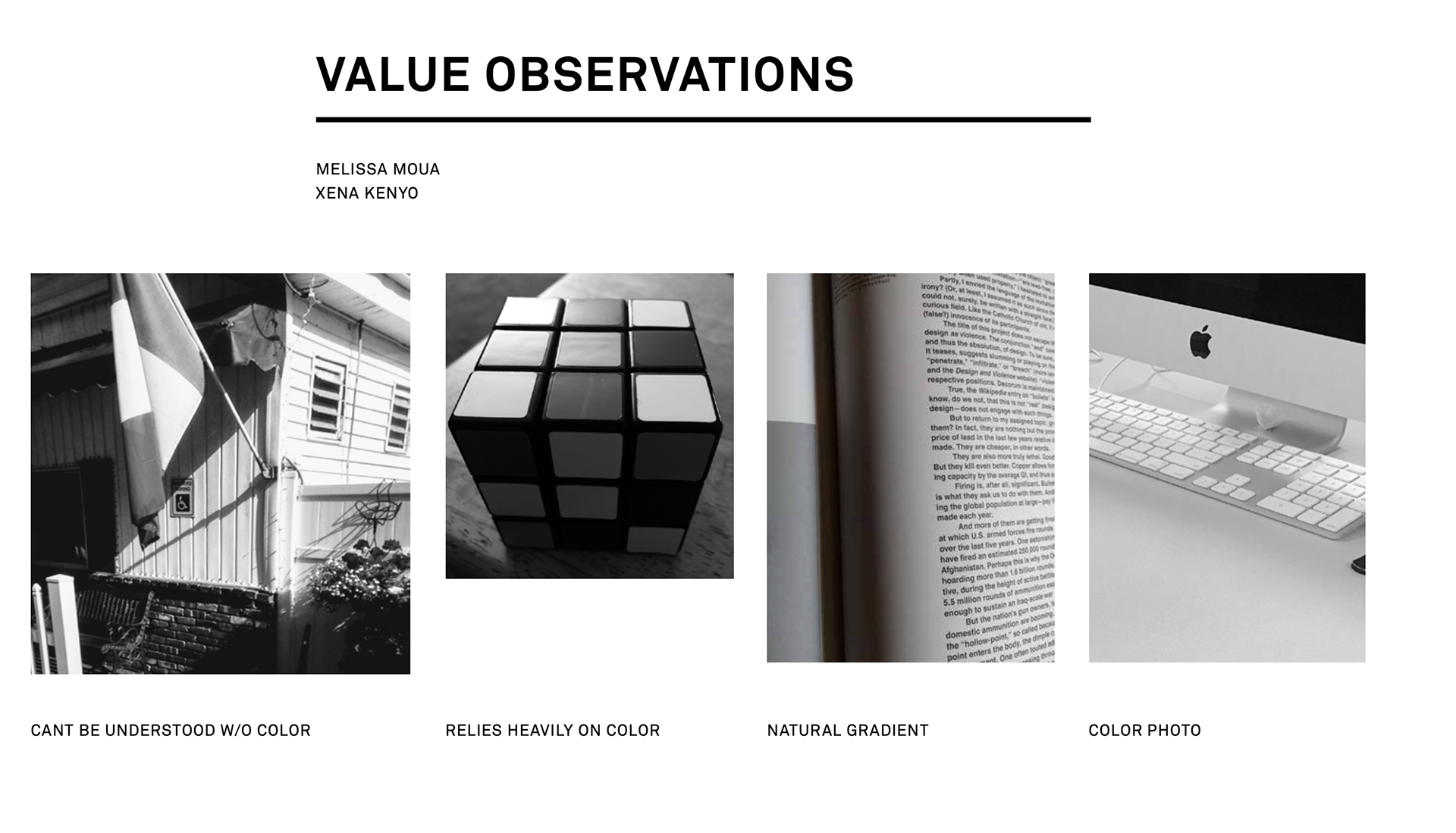
To discuss values (our ethics and morals) as designers, we must talk about propaganda and advertising, aspects of design proliferated by industries co-opting our craft and skills. To do this, we collectively watch John Carpenter's They Live, a film centralizing concepts of 'mind control' and propaganda through design and advertising, rendering "truth" in black and white. All the while, discussing value more literally as light, shadow, tint, shade etc..
SEE EXAMPLE FROM THEY LIVE HERE
SEE EXAMPLE FROM THEY LIVE HERE
STUDENT WORK:
Sean Bull
Sean Bull

COLOR: INTERACTIONS (WK 11-12) OVERVIEW HERE
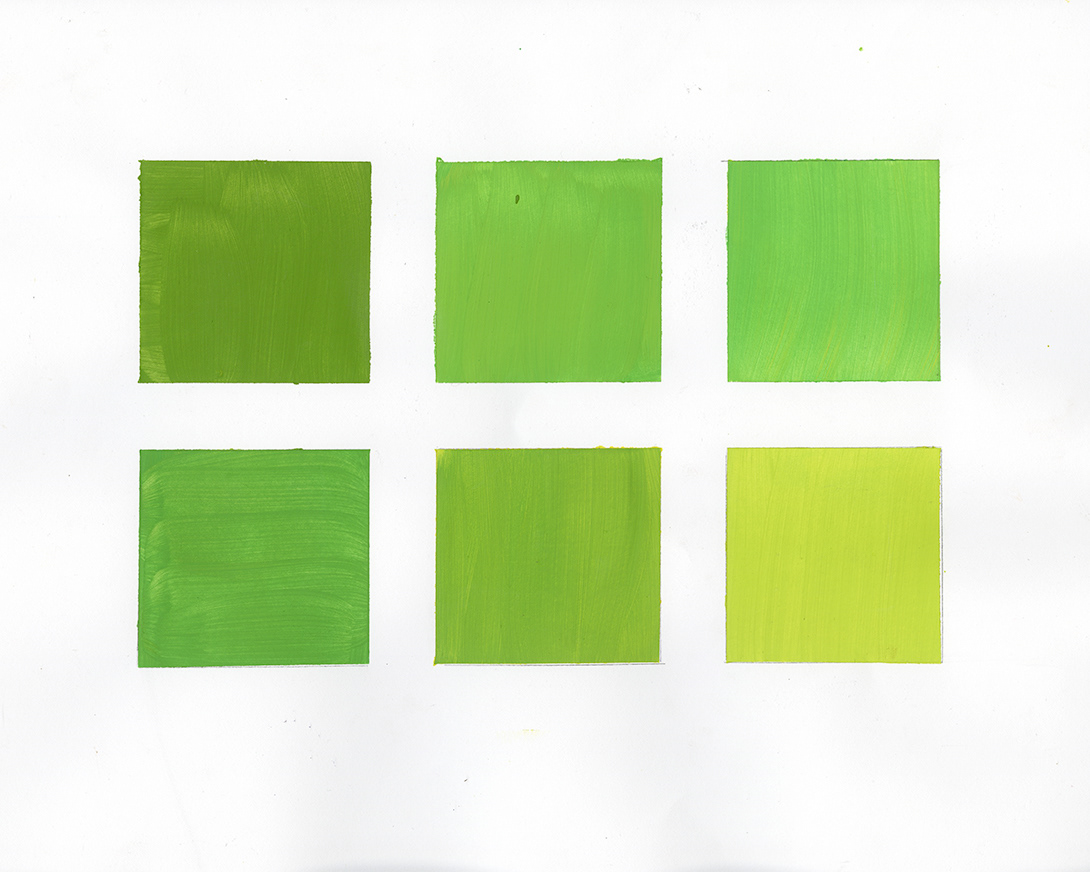
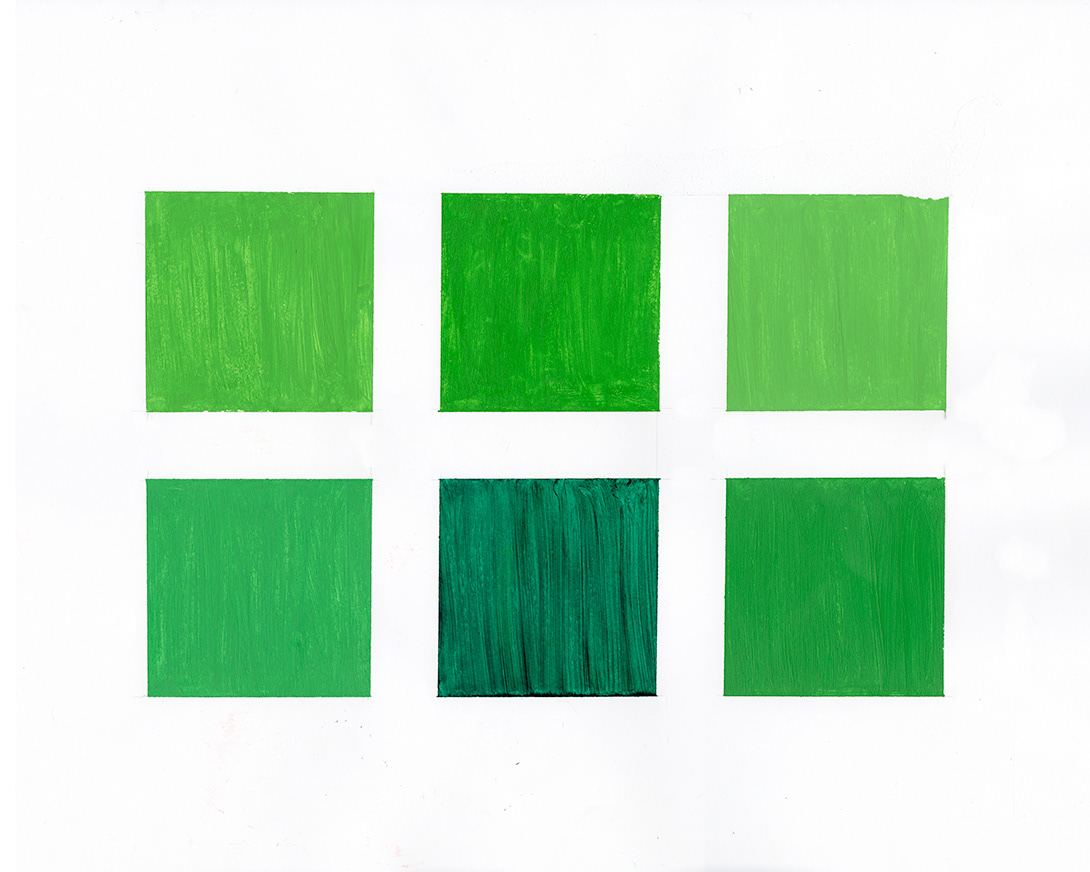
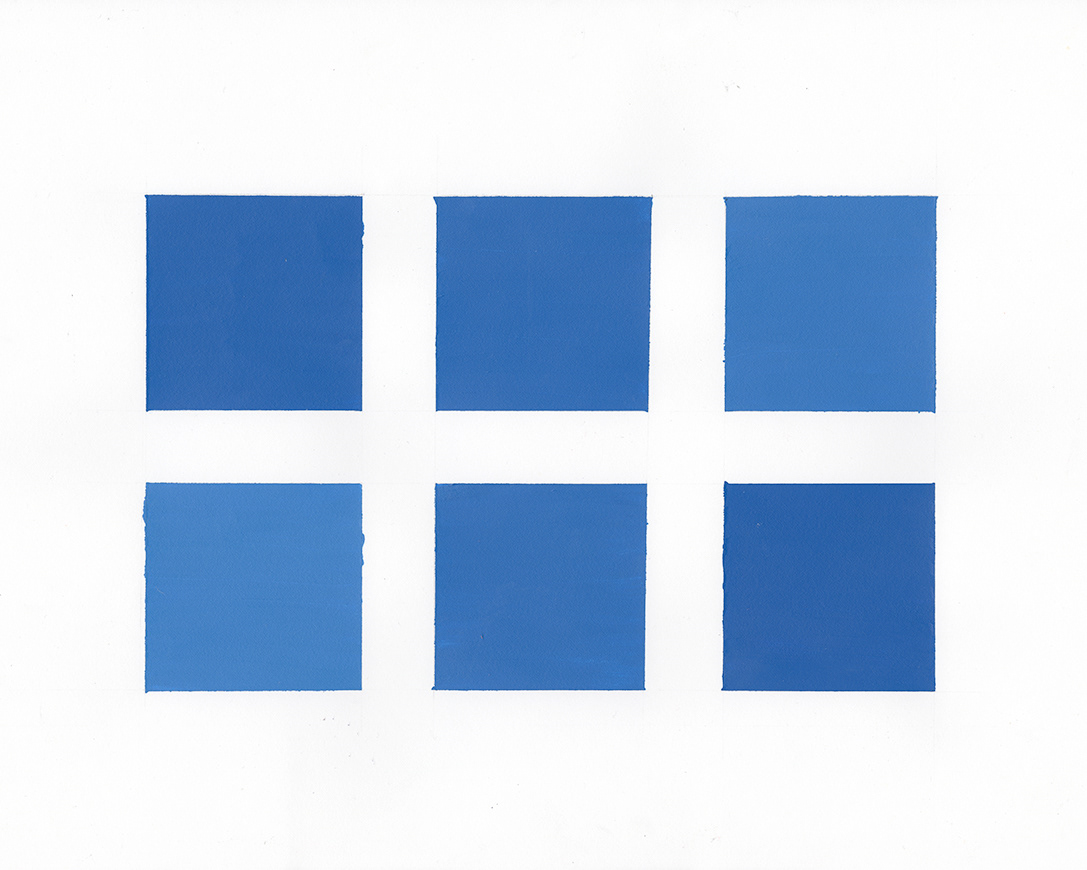
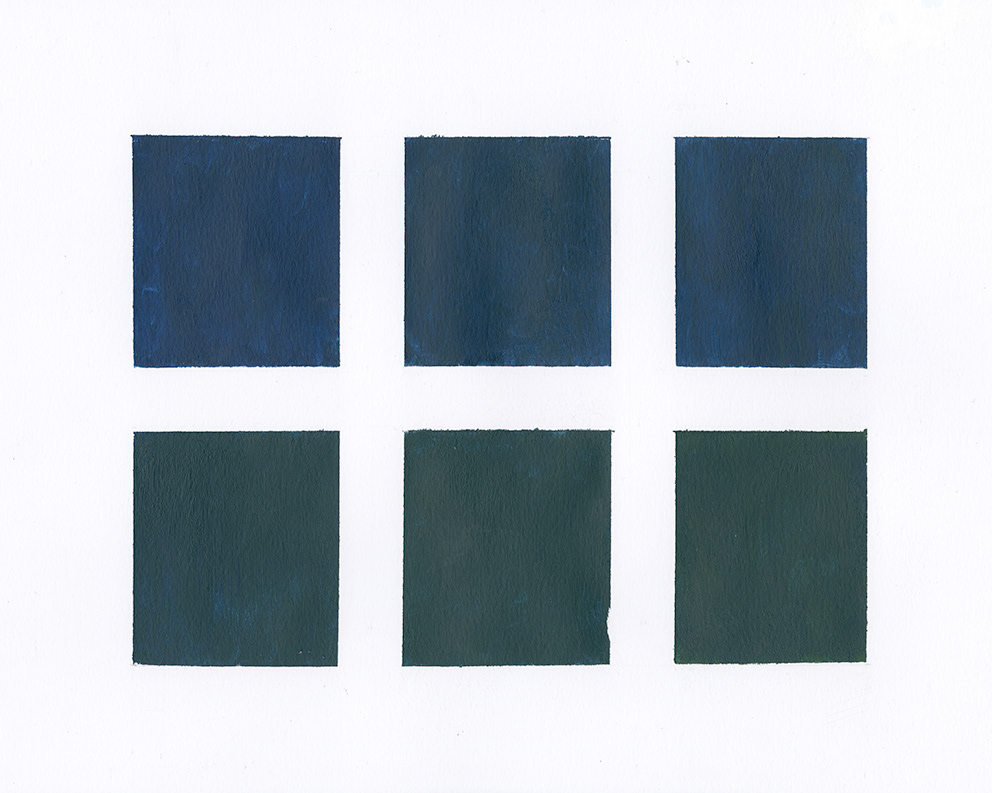
How do we teach one of the most subjective topics at the foundations level? My approach is to focus on subjectivity and the fact that color is theory, and different to all who experience it. We can then explore color at a cultural level as well as individual.
How do we teach one of the most subjective topics at the foundations level? My approach is to focus on subjectivity and the fact that color is theory, and different to all who experience it. We can then explore color at a cultural level as well as individual.
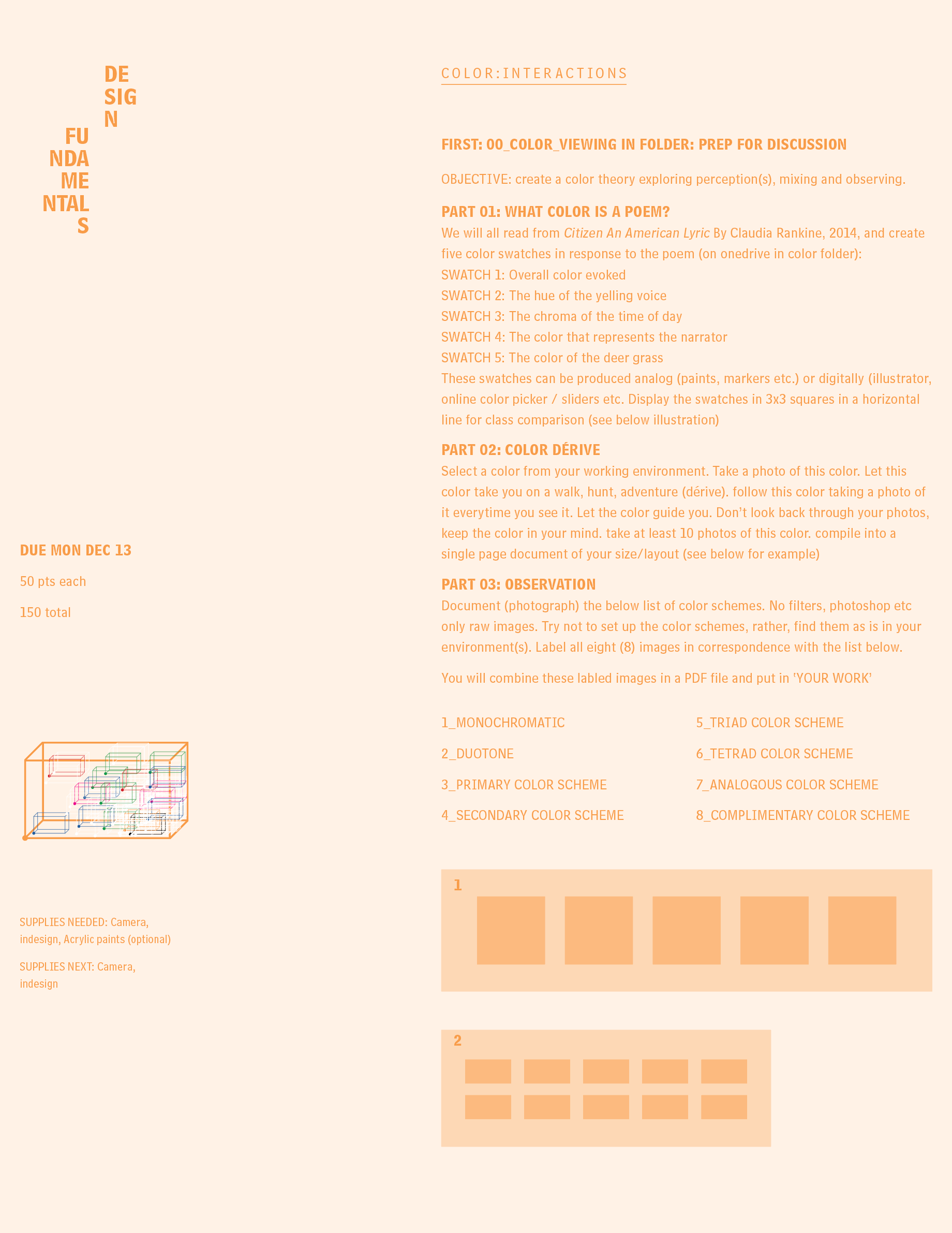
STUDENT WORK:
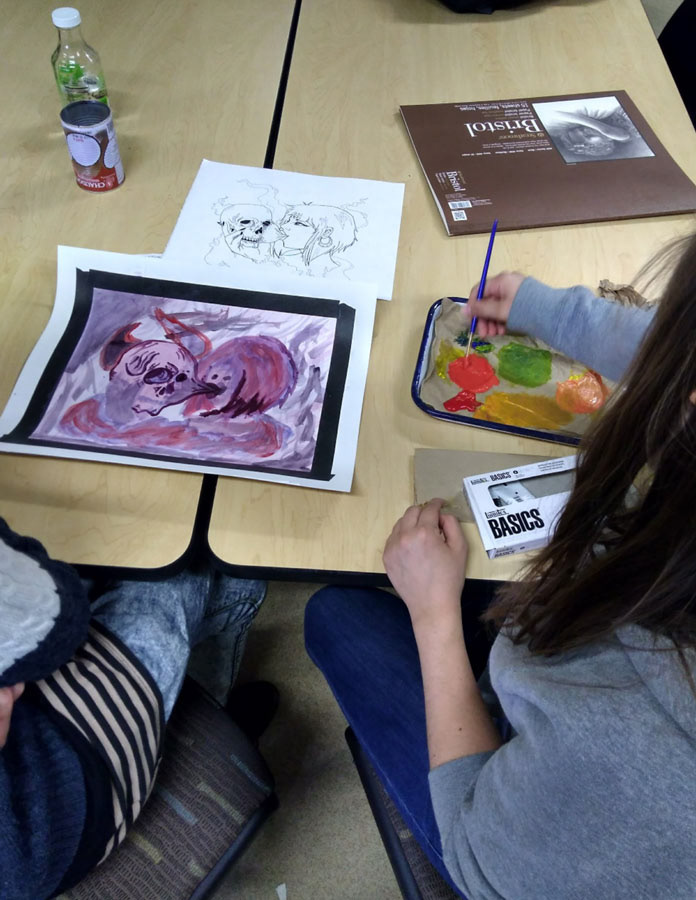
PREVIOUS IN-PERSON WORK PART 1: Collaboration rotation, move to the painting to the right every 10 minutes, mixing to the colors in said painting from your peers.
PREVIOUS IN-PERSON WORK PART 1: Collaboration rotation, move to the painting to the right every 10 minutes, mixing to the colors in said painting from your peers.
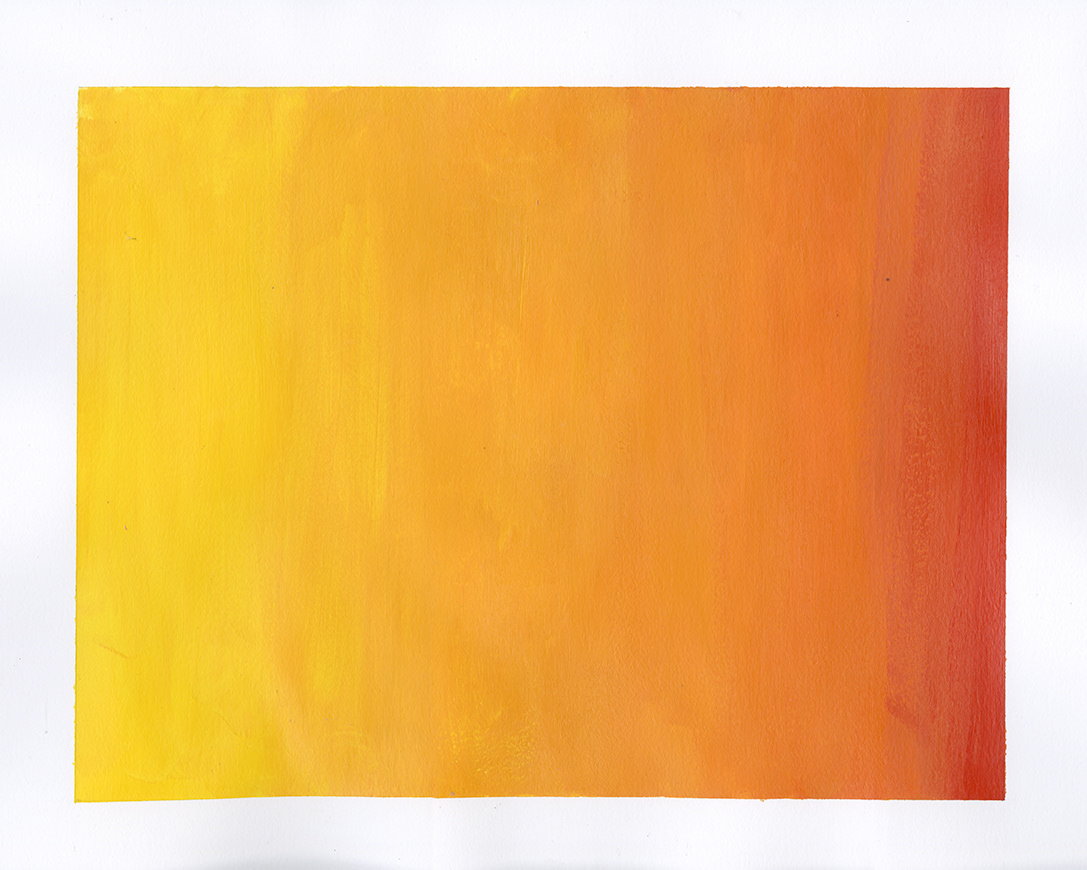
IN-PERSON PART 2: GREEN from memory of BREAKFAST VINE chosen and watched collectively once prior to mixing individually in a group setting: Corin Heilman, Jasmine Sallay, Nicholas Moldenhaur
BLUE from memory of HI, OK VINE chosen and watched (once prior to mixing) collectively: Hannah Cooperrider, Victoria Ortiz
Inspired by Spencer Finch', Trying to Remember the Color of Jackie Kennedy's Pillbox Hat
Inspired by Spencer Finch', Trying to Remember the Color of Jackie Kennedy's Pillbox Hat
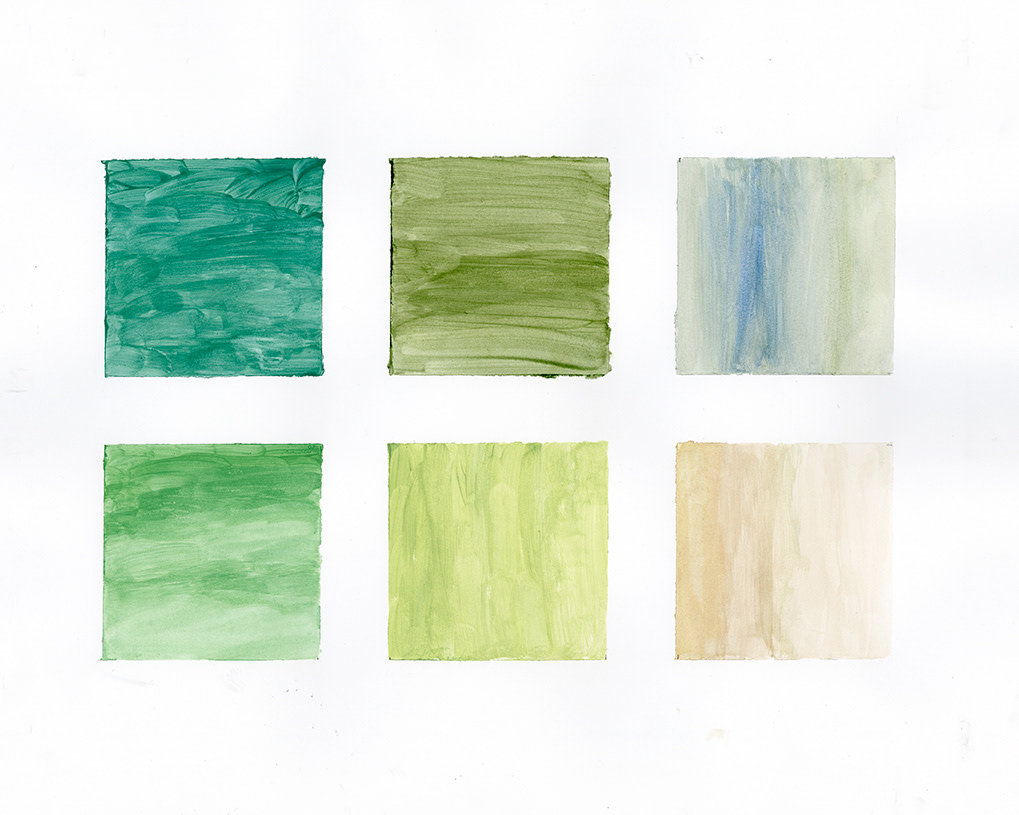
PART 3: Observe and document: Paigit Souvannasone
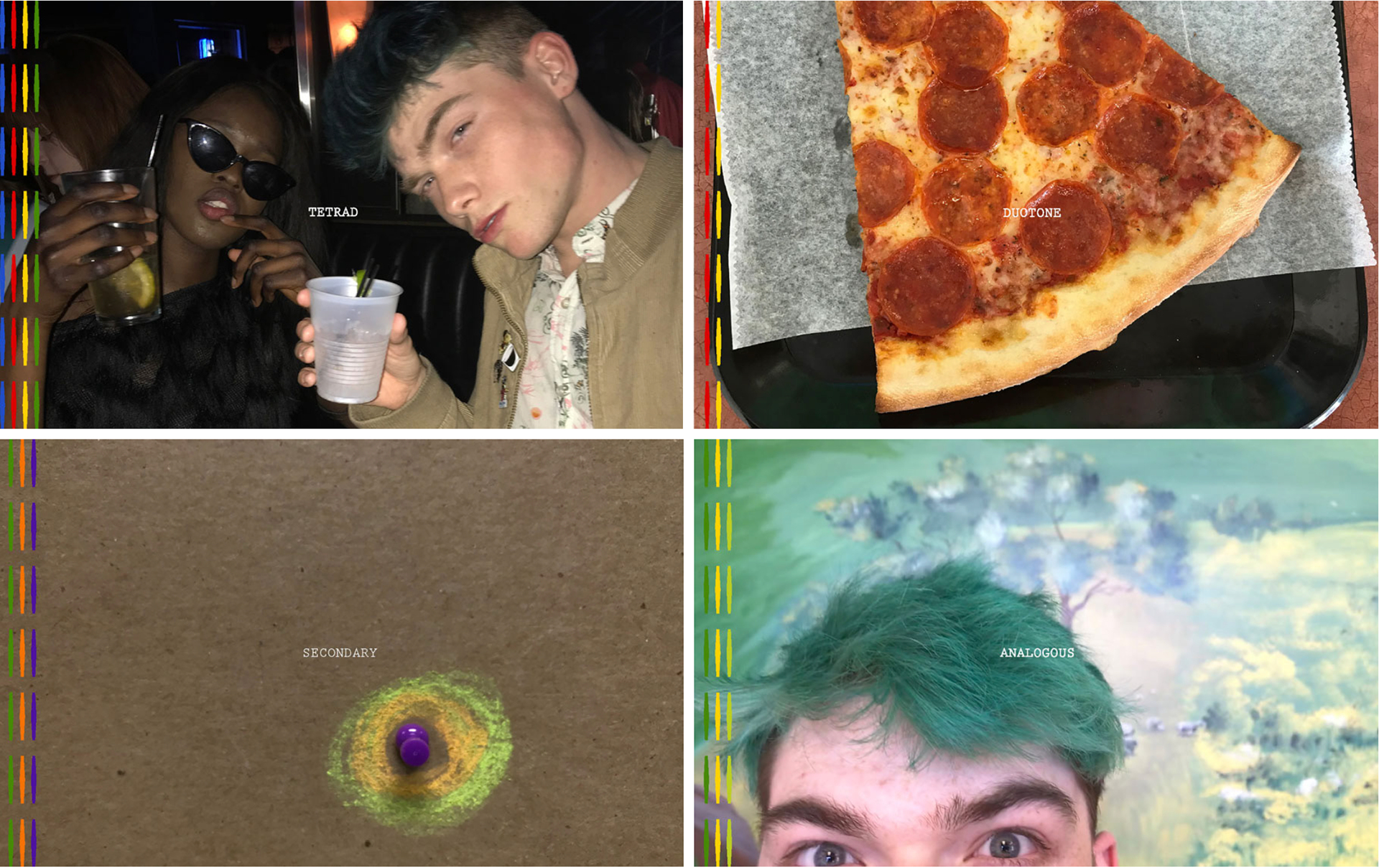
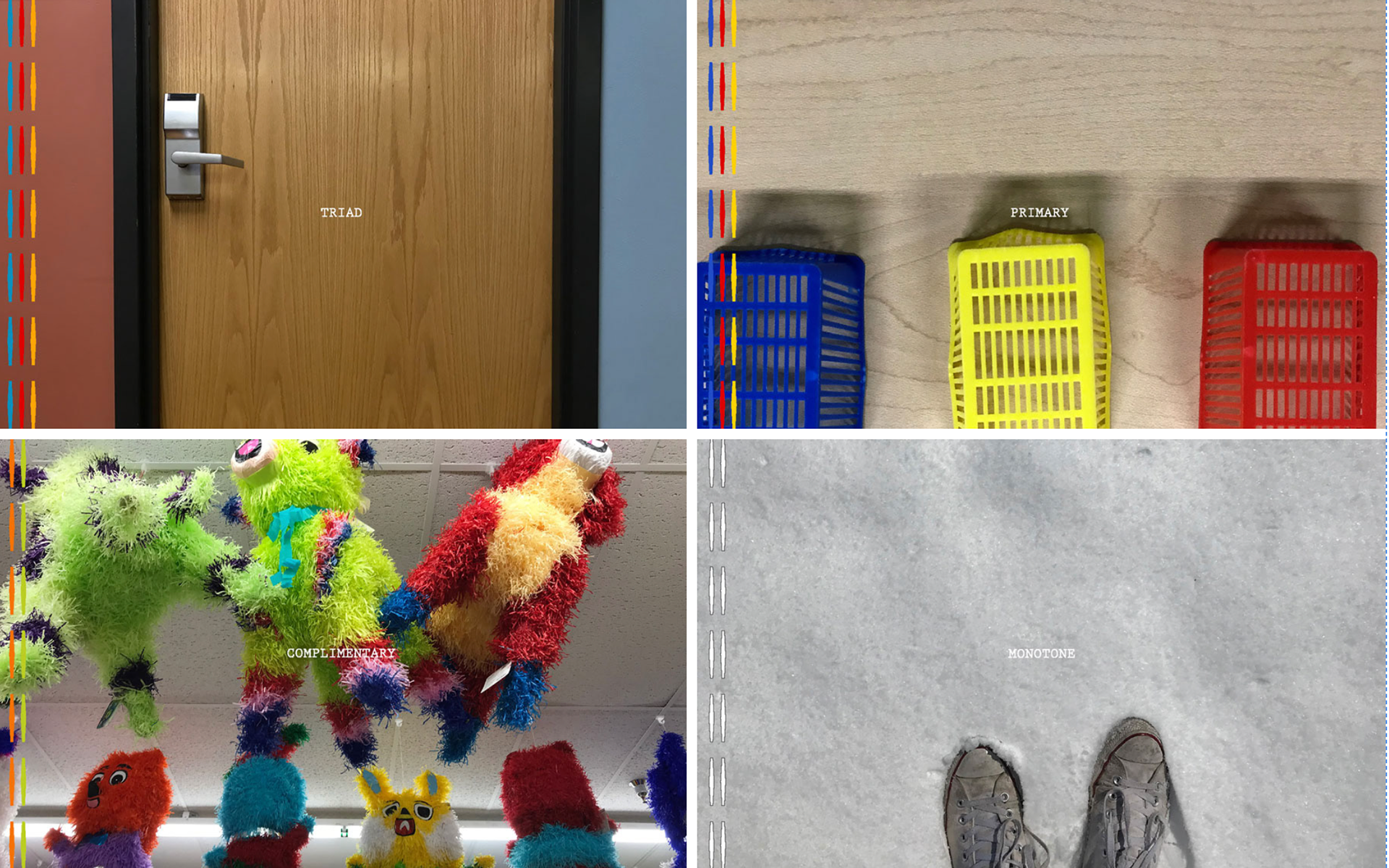
TYPE: grid/marks (WK 12-14) OVERVIEW HERE
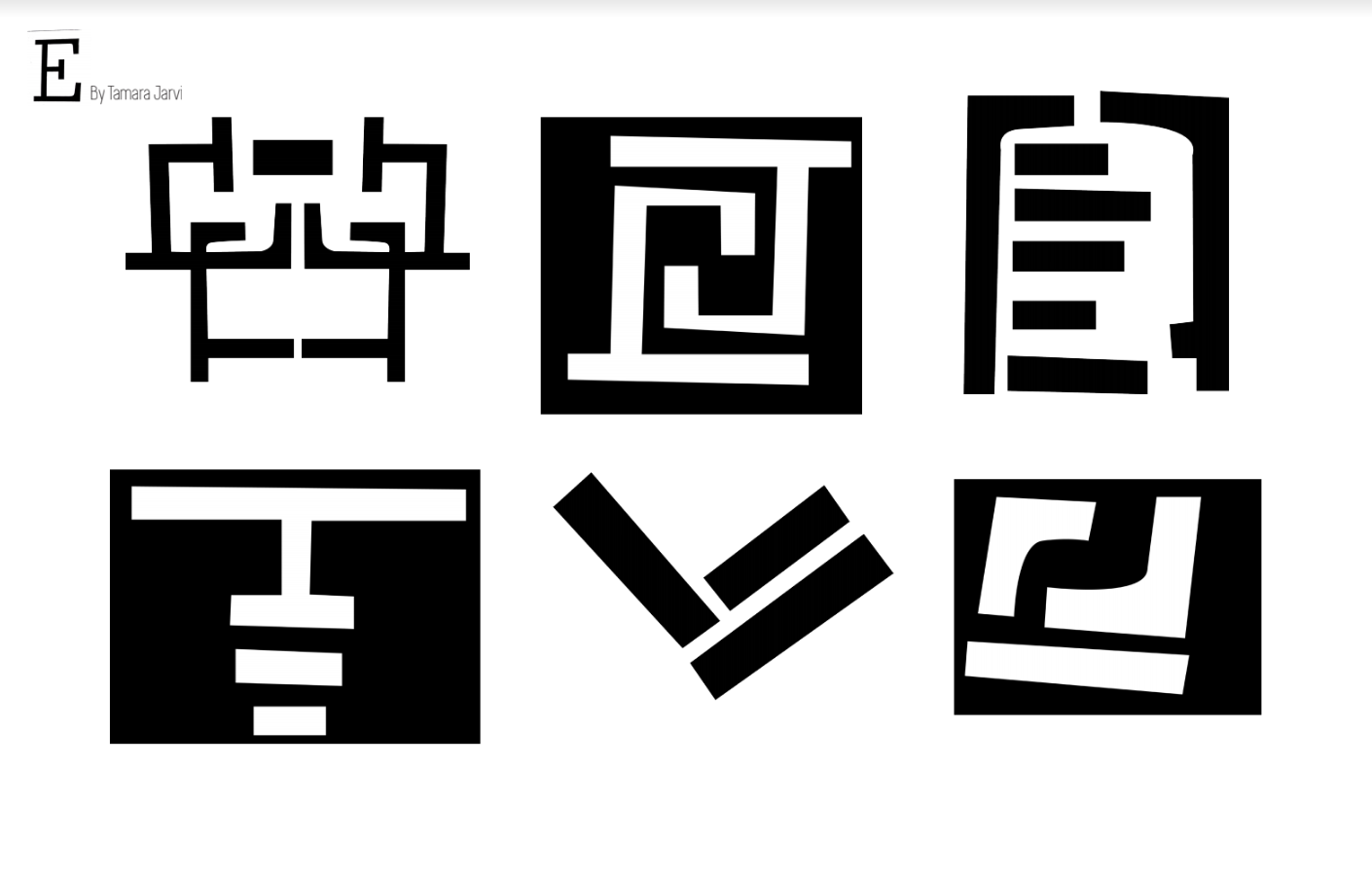
Cinema is one of the best places to learn critique and visual dialog of any art form. For the type section of the class, we imagine creating a visual language, such as that of the film Arrival (2016), by dissecting our own visual languages into shapes to observe their foundational structure within our previous areas of exploration. Students then write from prompts and questions from the film.
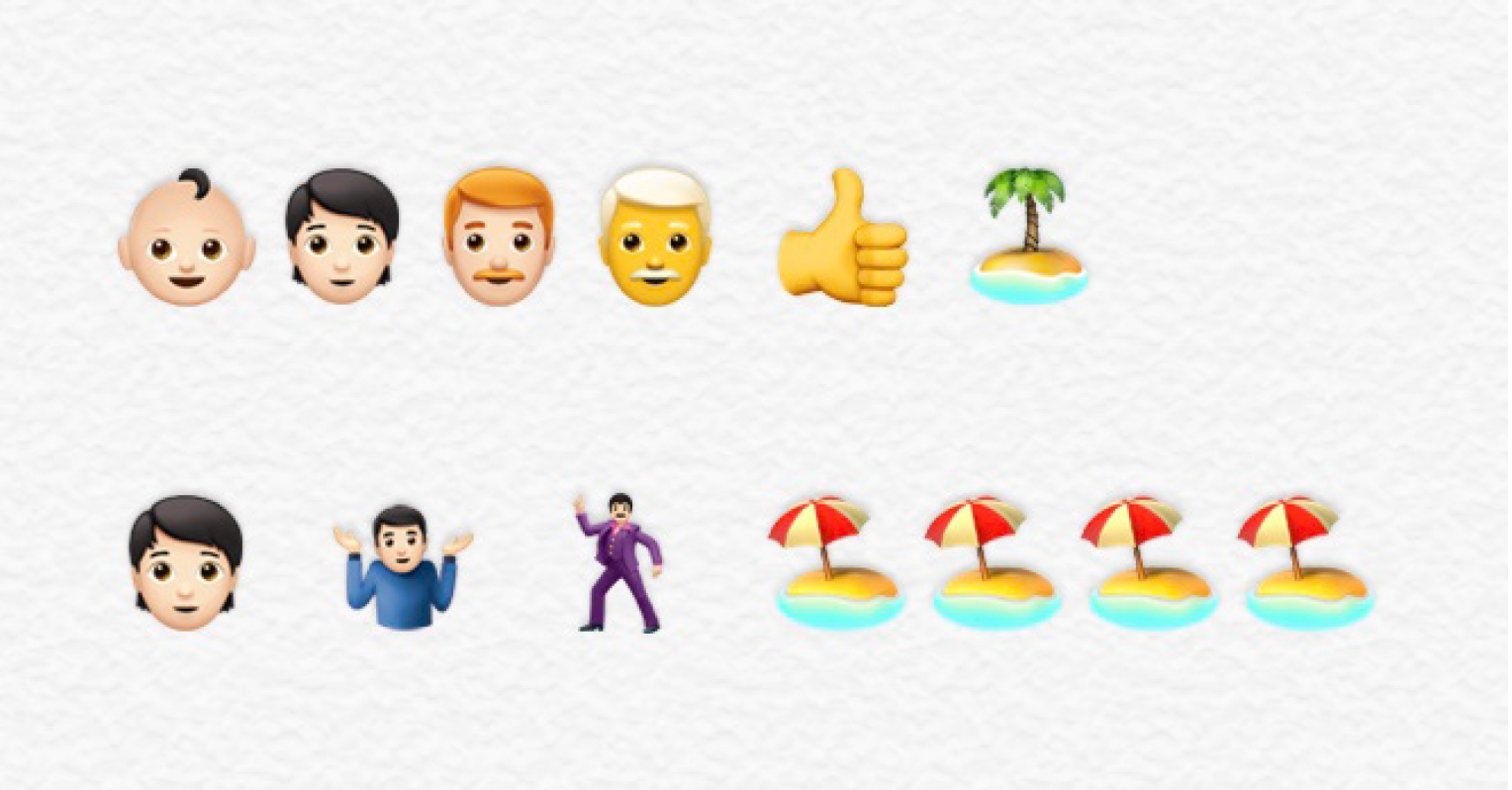
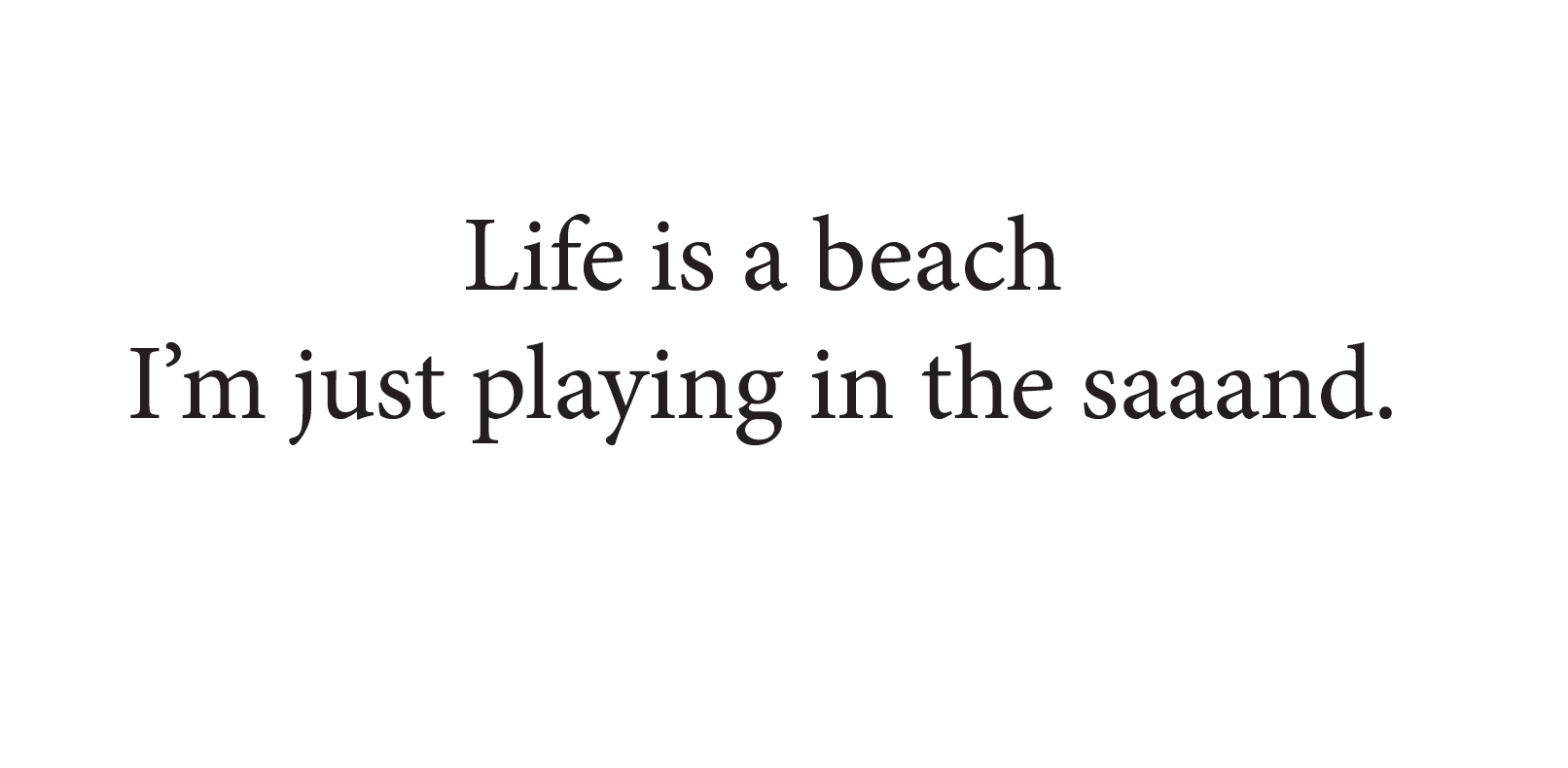
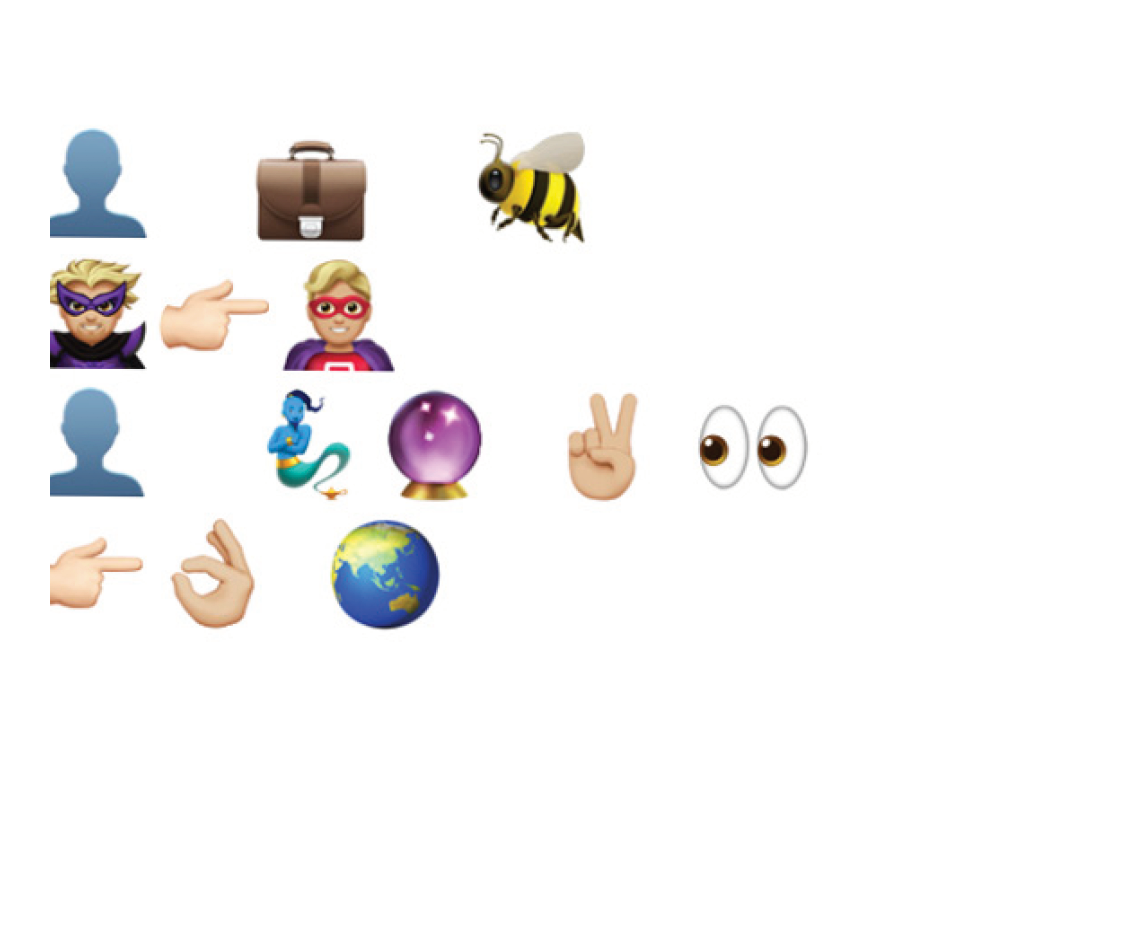
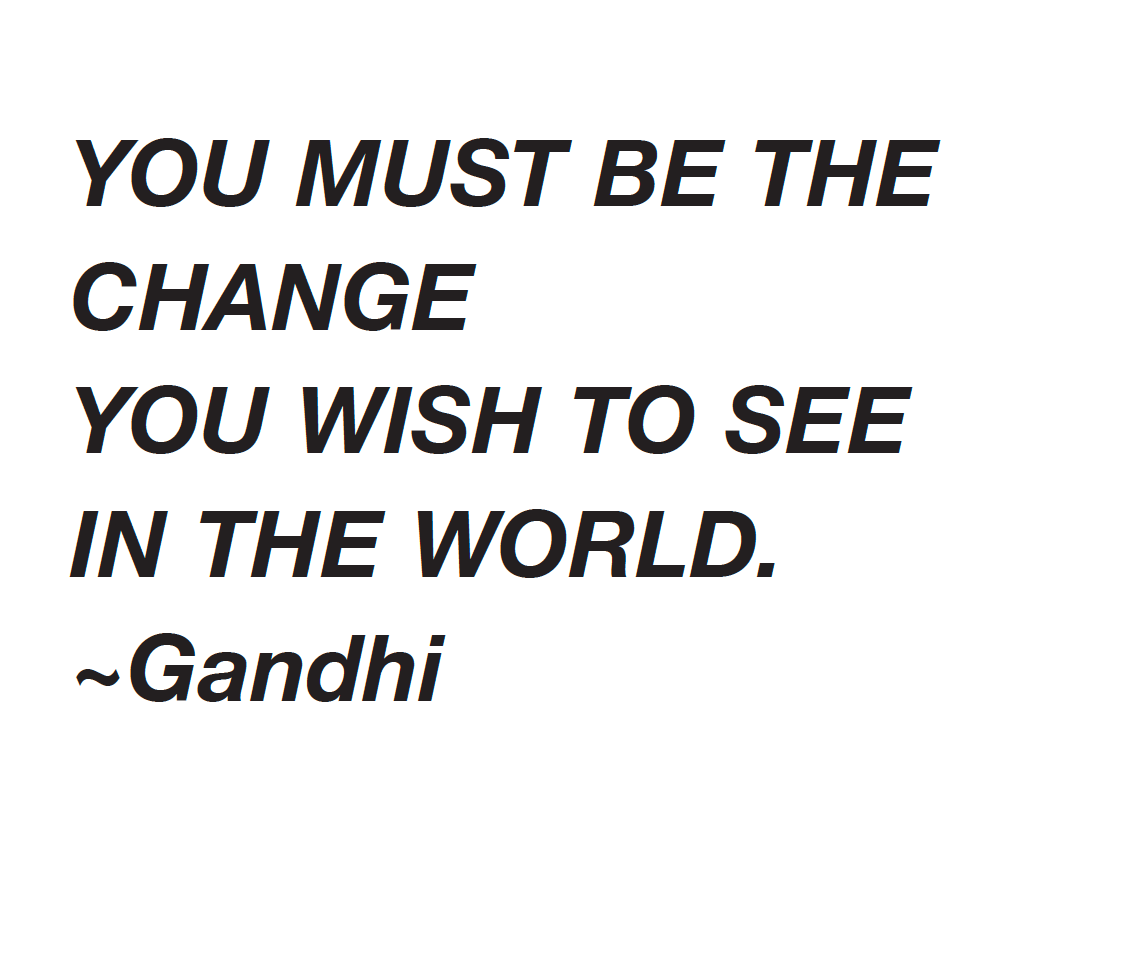
We explore emoji's typographic design and language theory.
Cinema is one of the best places to learn critique and visual dialog of any art form. For the type section of the class, we imagine creating a visual language, such as that of the film Arrival (2016), by dissecting our own visual languages into shapes to observe their foundational structure within our previous areas of exploration. Students then write from prompts and questions from the film.
We explore emoji's typographic design and language theory.
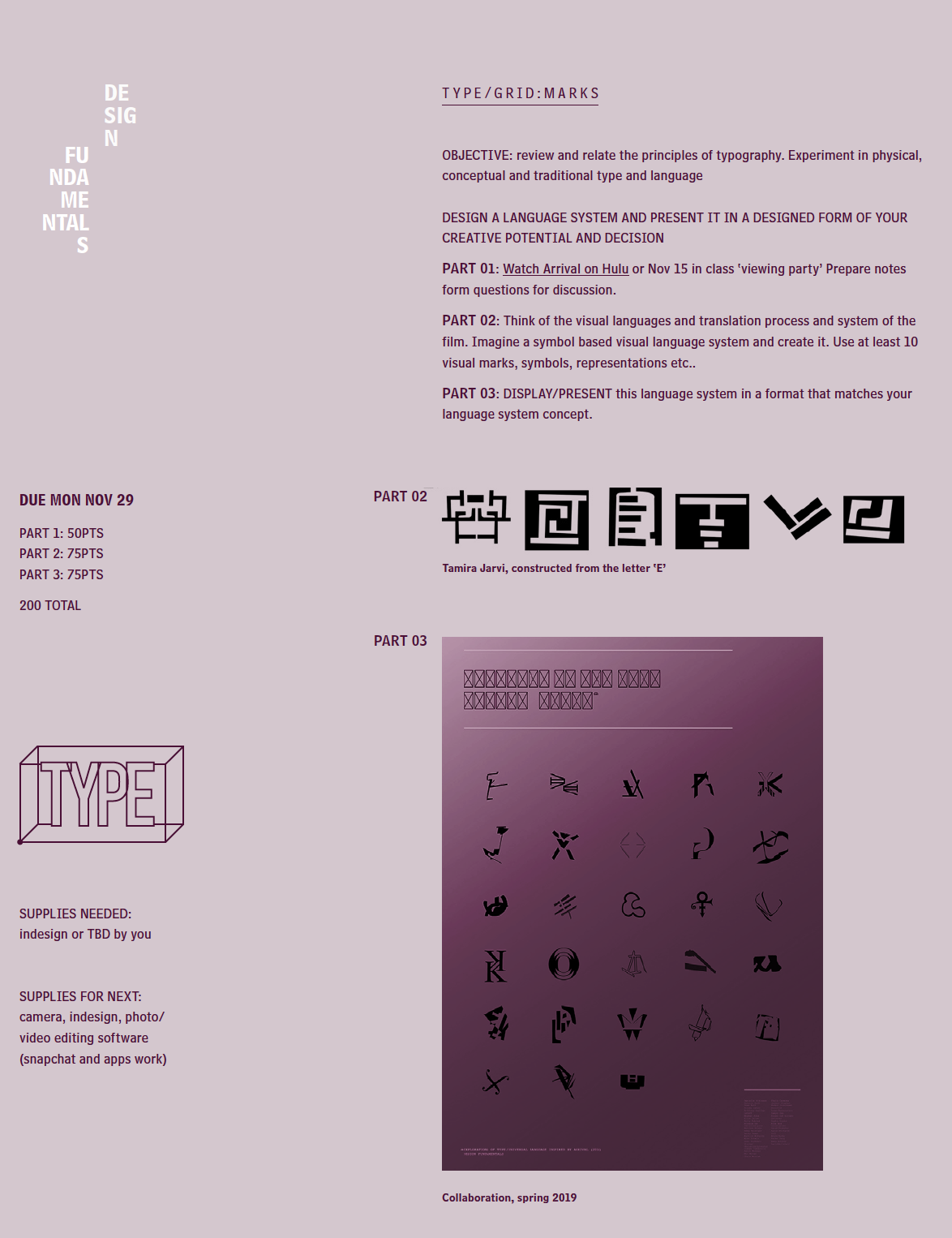
STUDENT WORK:
Tamara Jarvi, Sean Bull, Chris Wozniak, Group collaboration
Tamara Jarvi, Sean Bull, Chris Wozniak, Group collaboration
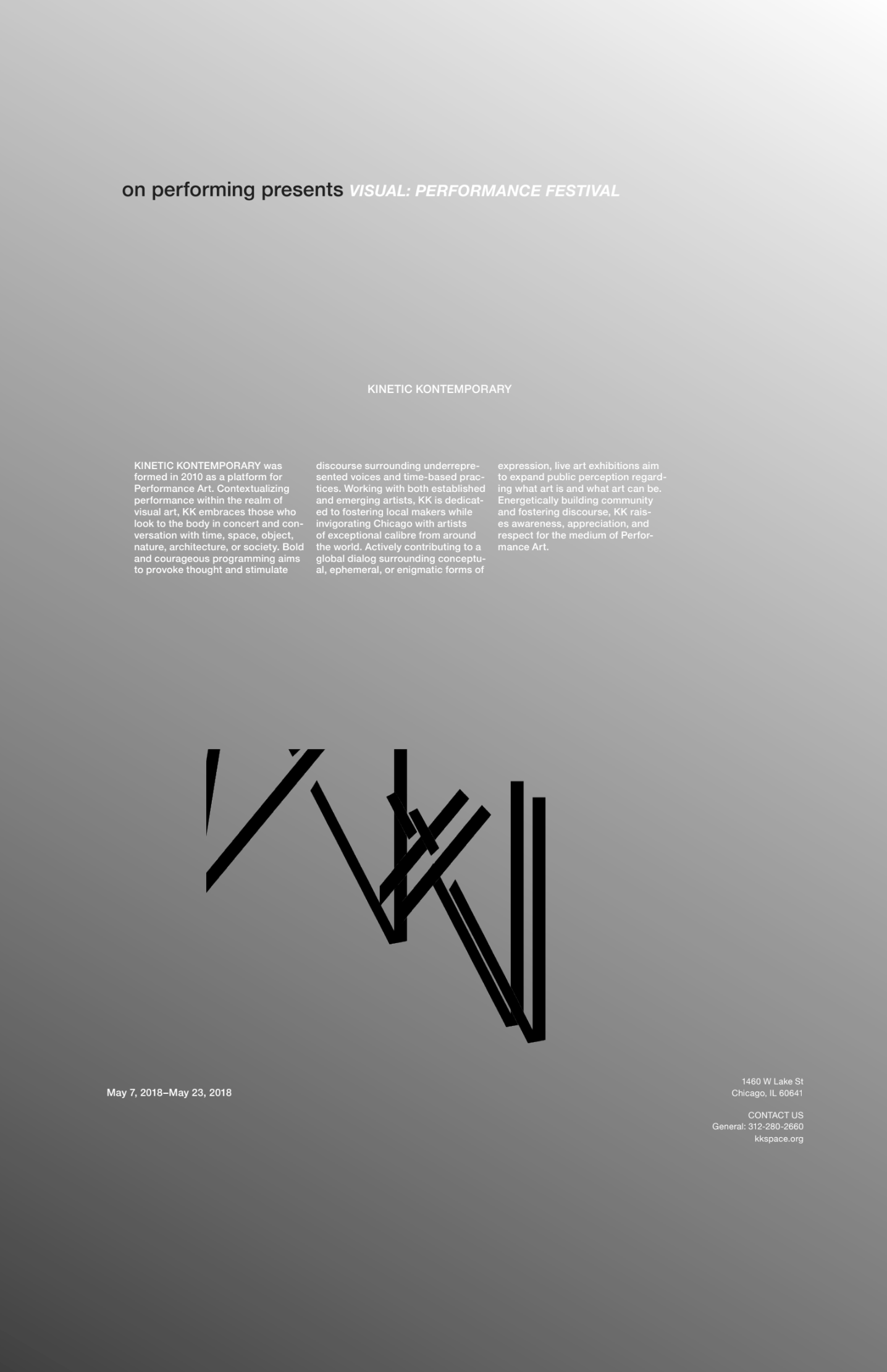
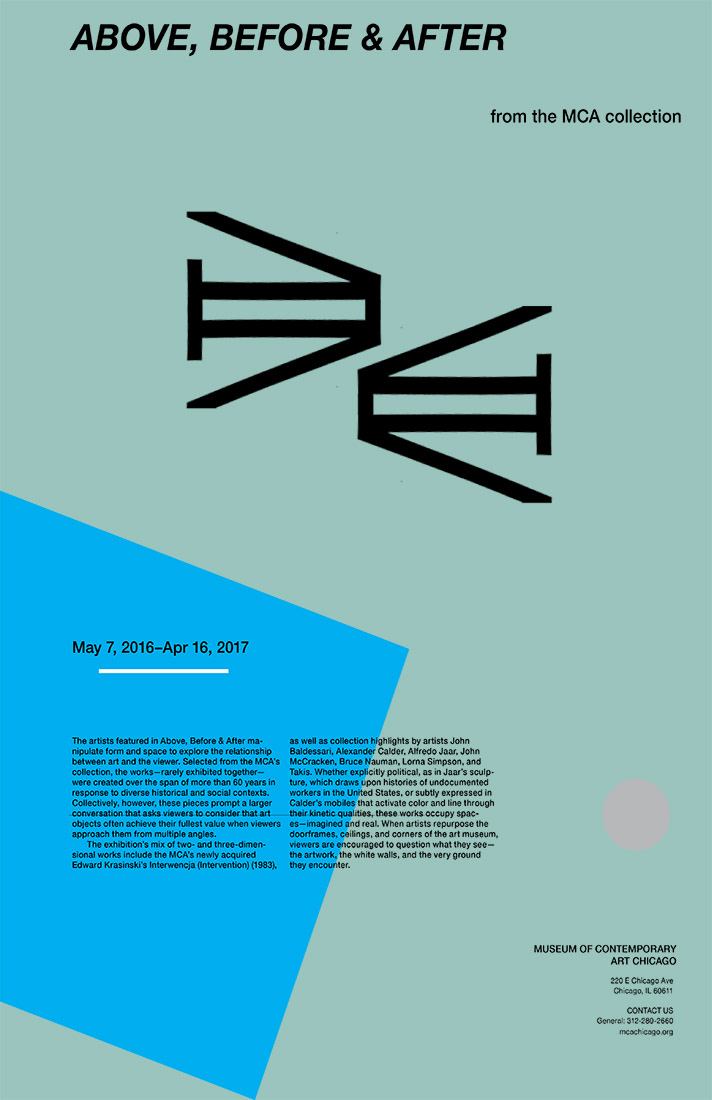
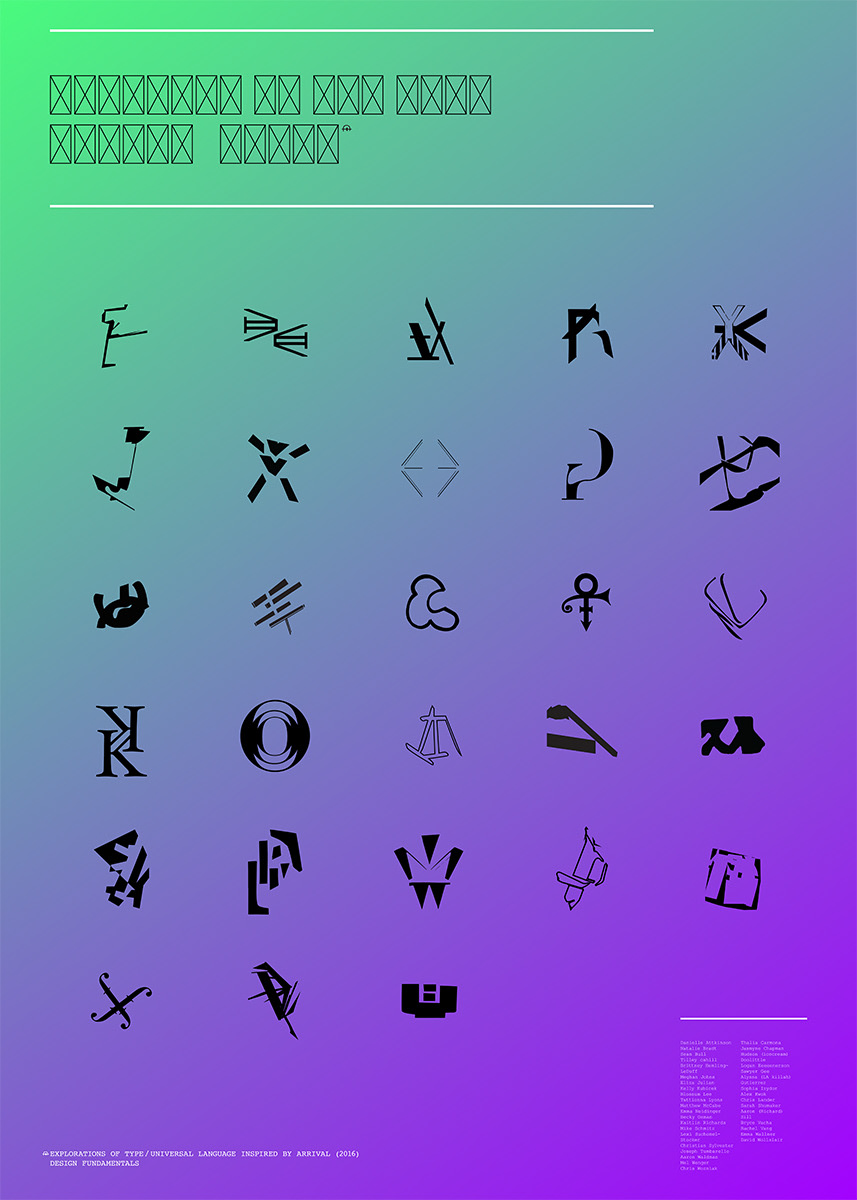
emoji translations: Brennan Peters and Shari Dougherty
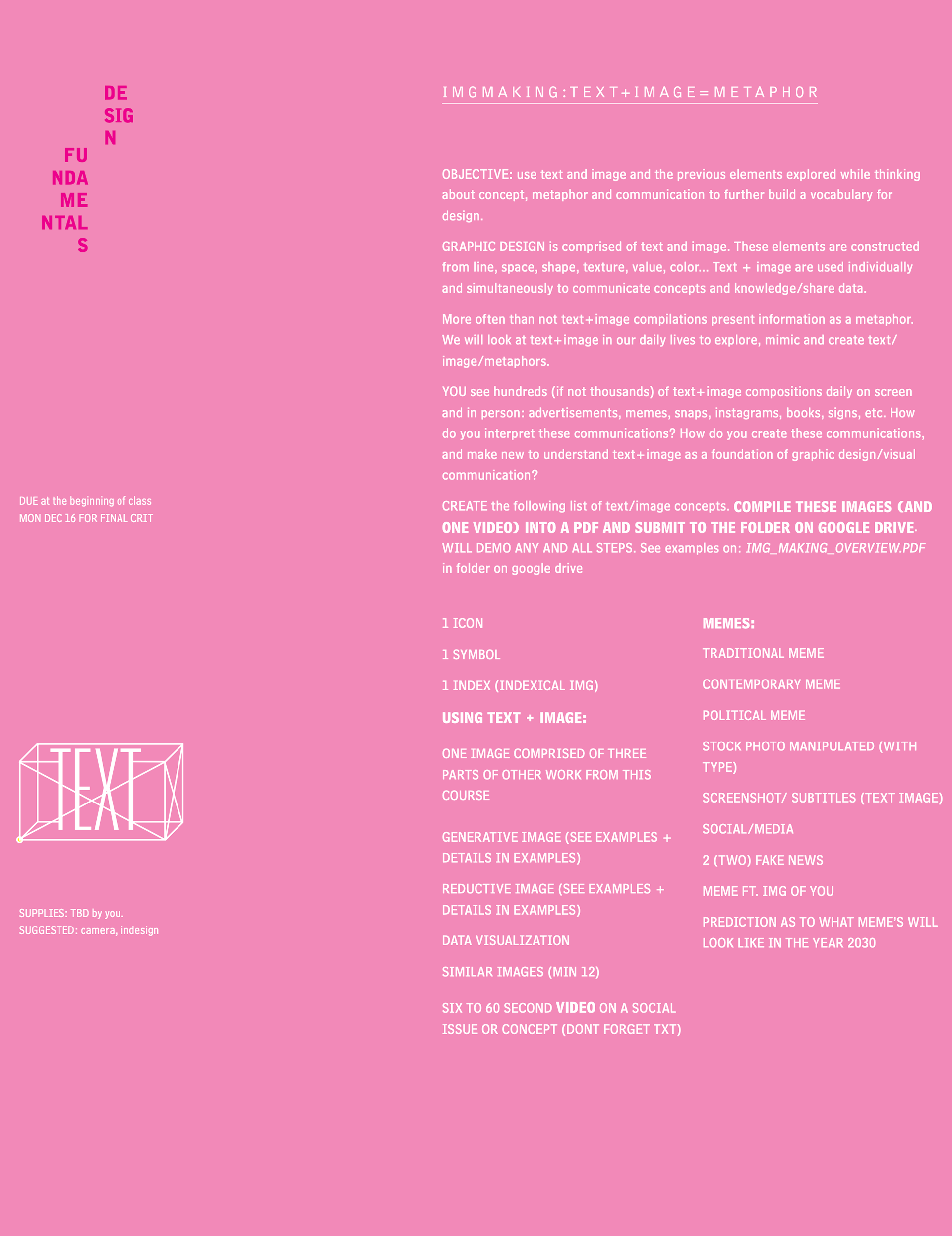
IMG MAKING: text+image=metaphor and/OR IMG/IMG.IMG (WK14-16) OVERVIEW HERE
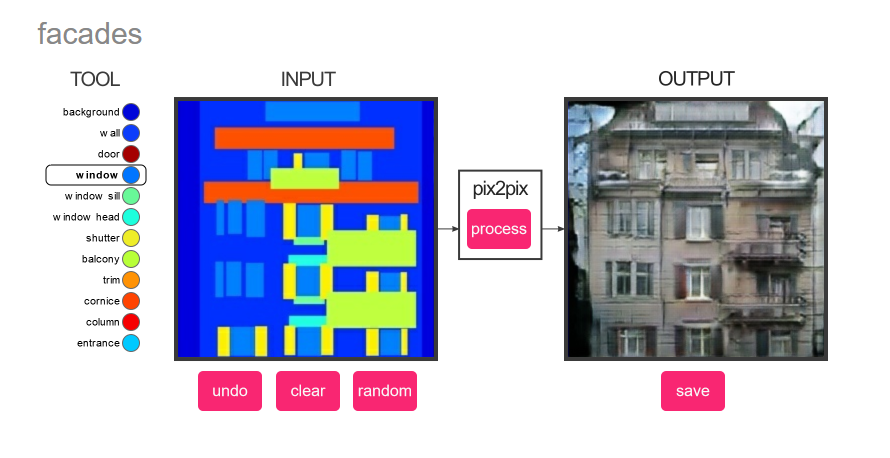
STUDENT WORK:
Generative Img making: Melissa Mou.a, Whitmore, John Gee, Leon Griffin
Generative Img making: Melissa Mou.a, Whitmore, John Gee, Leon Griffin
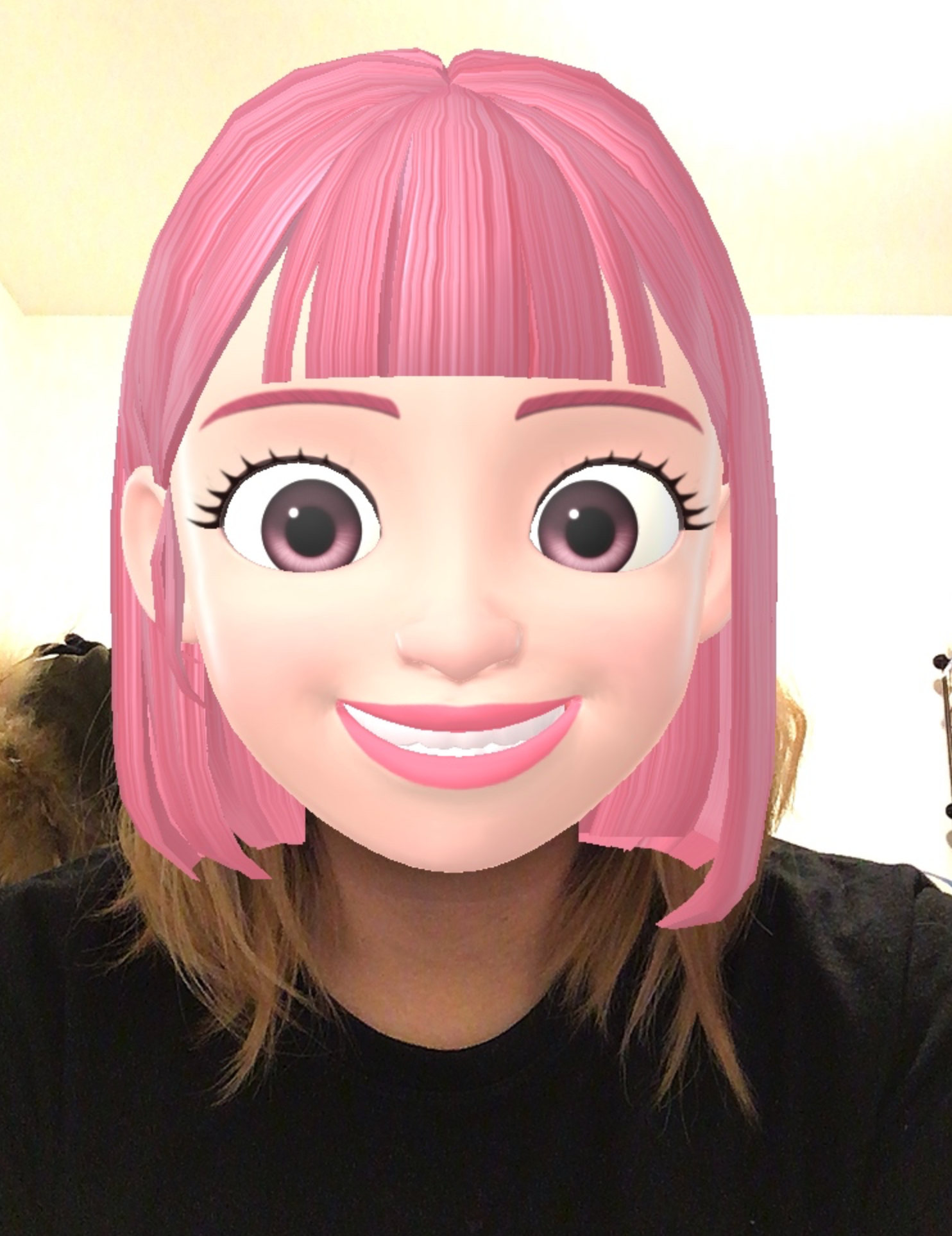
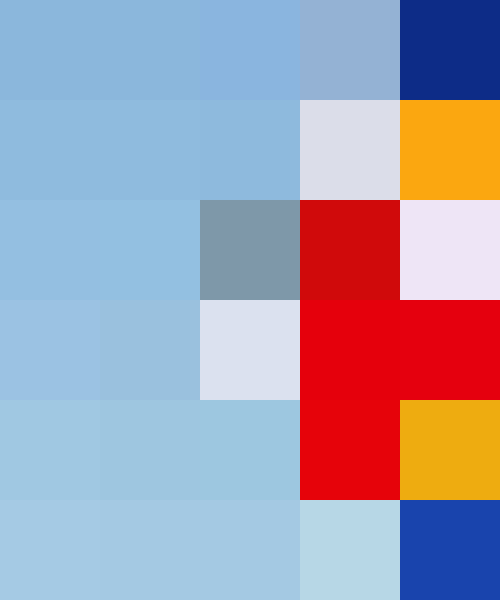
Mel Wenger: Icon, Symbol, Index VIDEO LINK
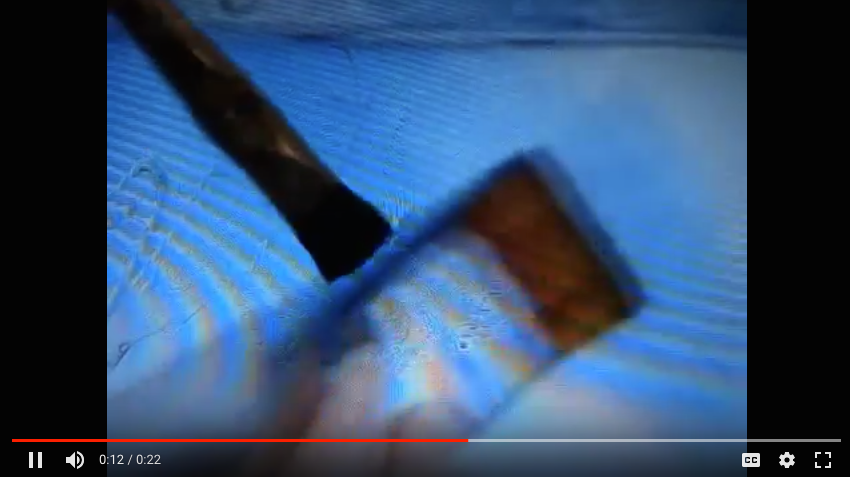
Rob Concklin: Icon, Symbol, Index + "fake news"



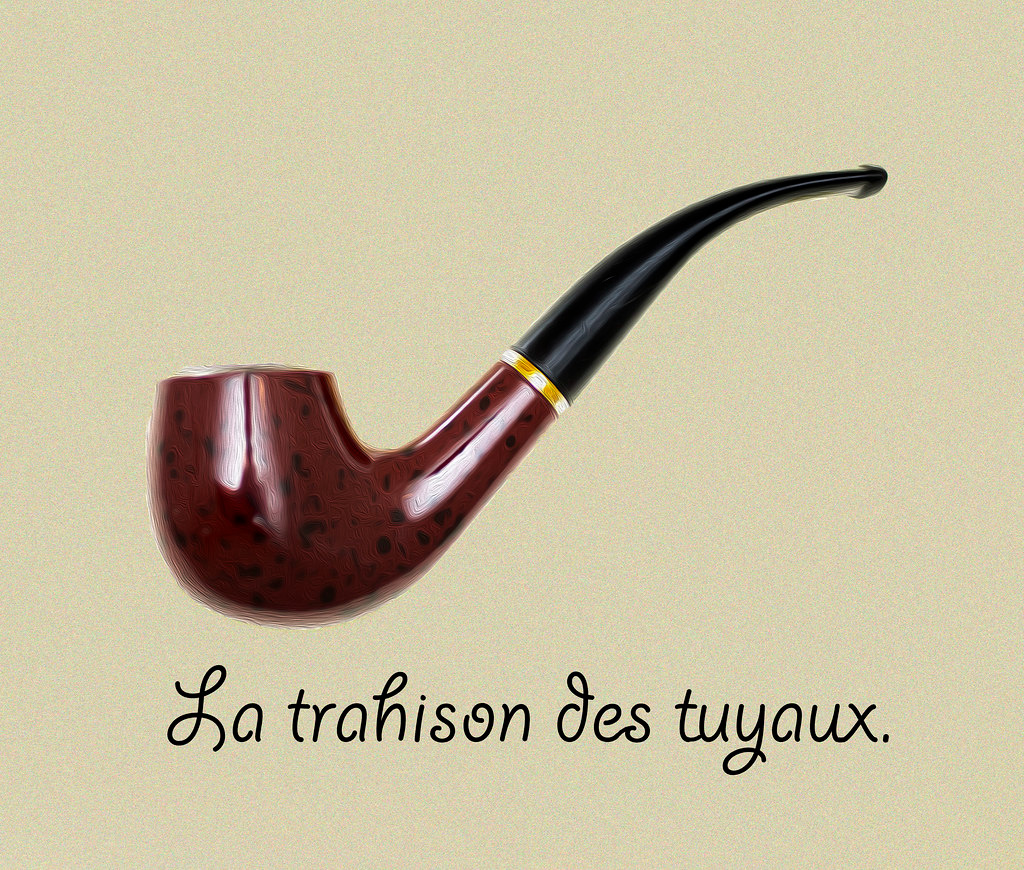
Luca Costa, Nicole Brown, Tattiana lyons, Joe Tumbarello, Tilly Cahill
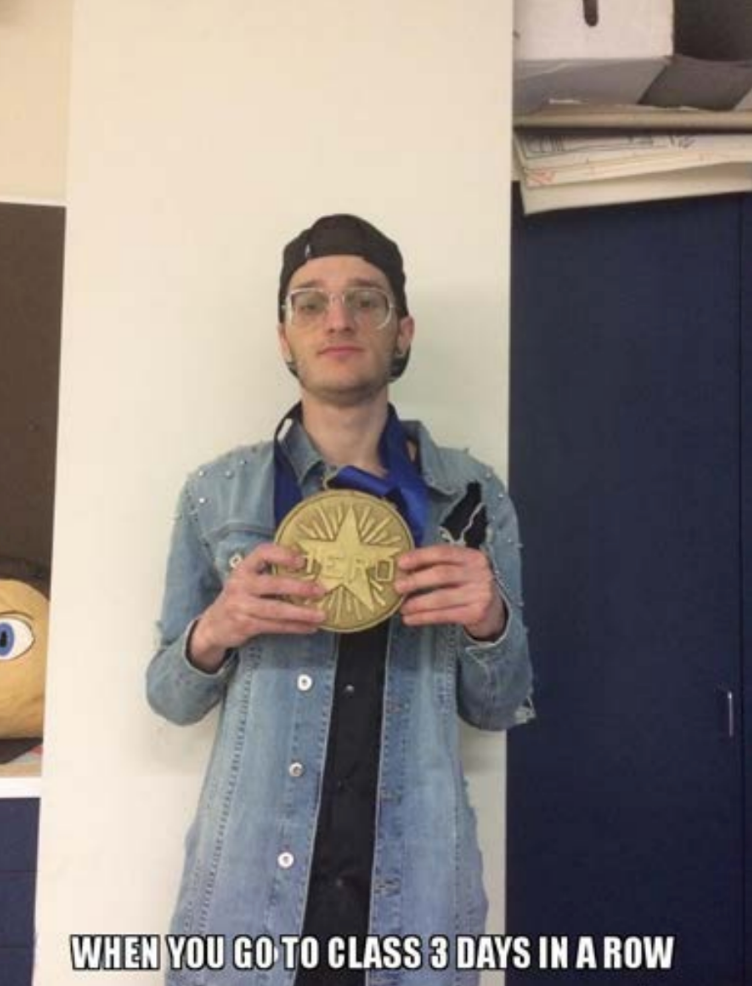
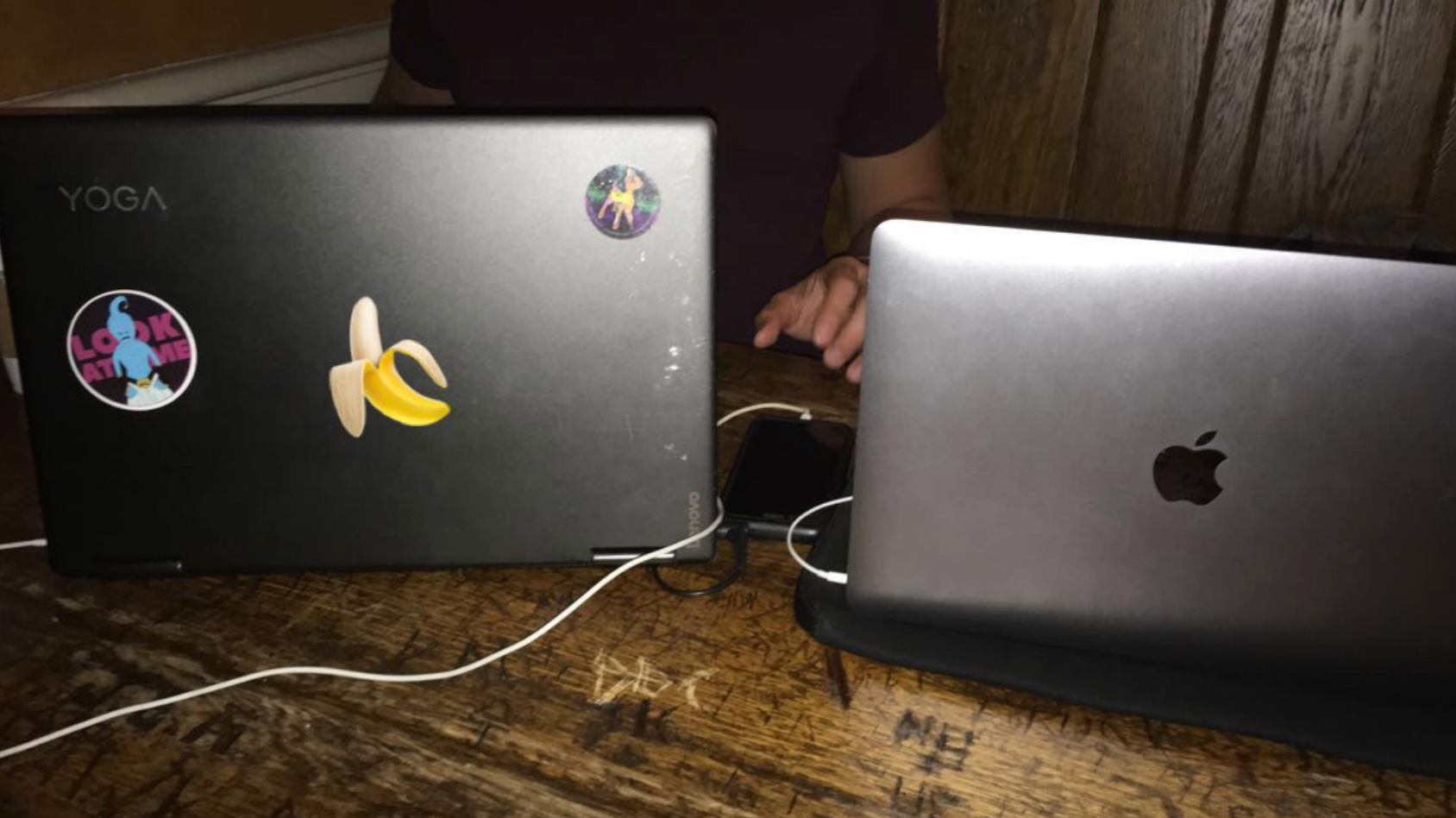
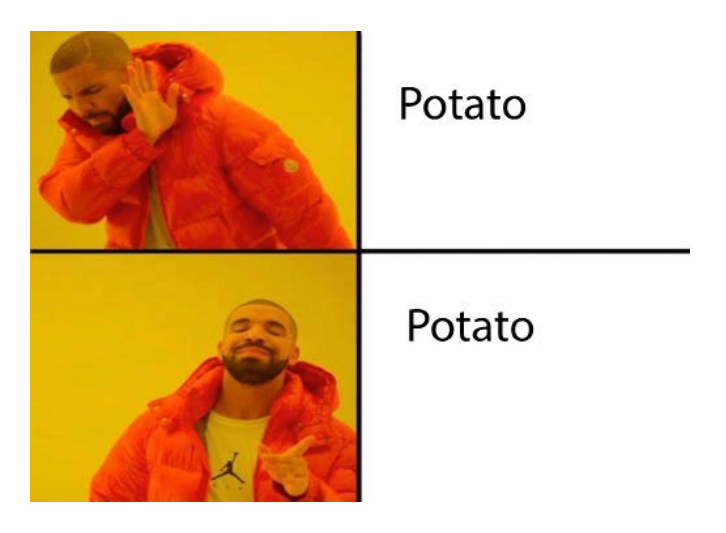
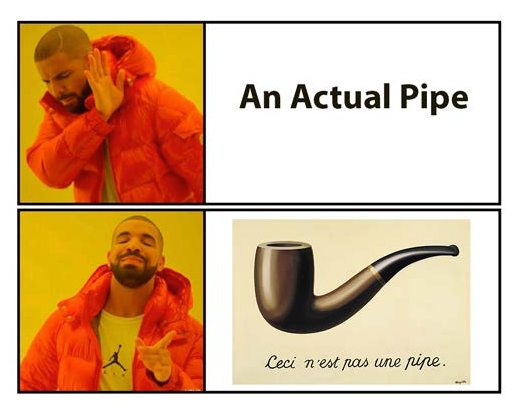
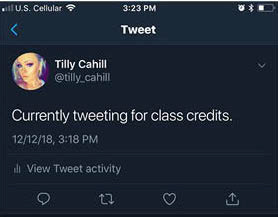
Elena Castillo: RecycleMEme, Mellisa M. Data visualization, Leon Griffin 12 similar imgs
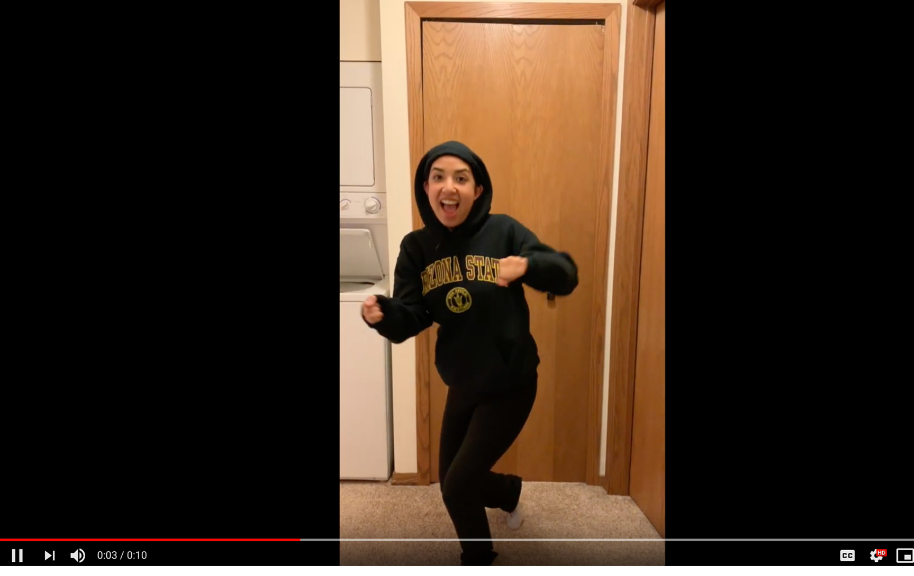
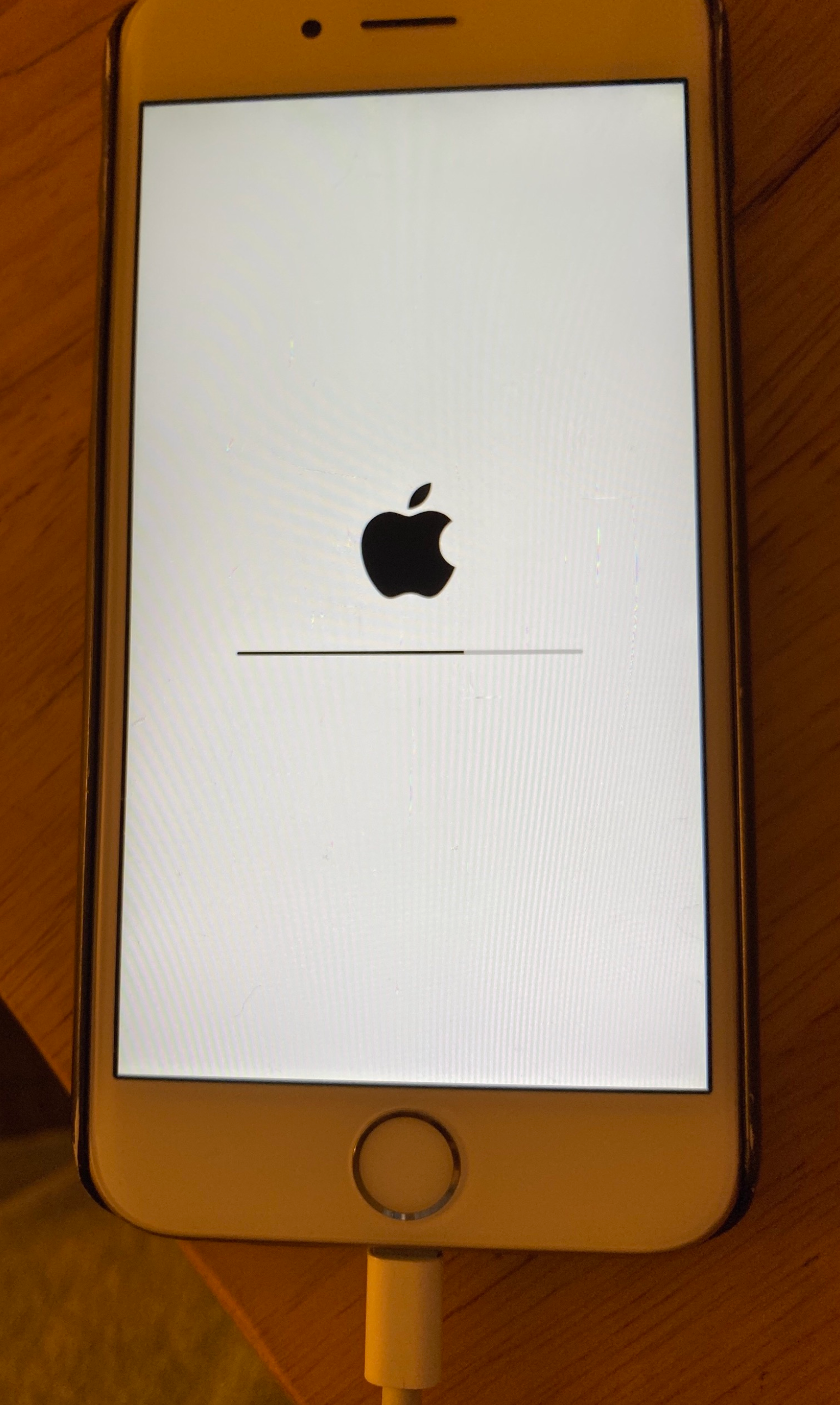
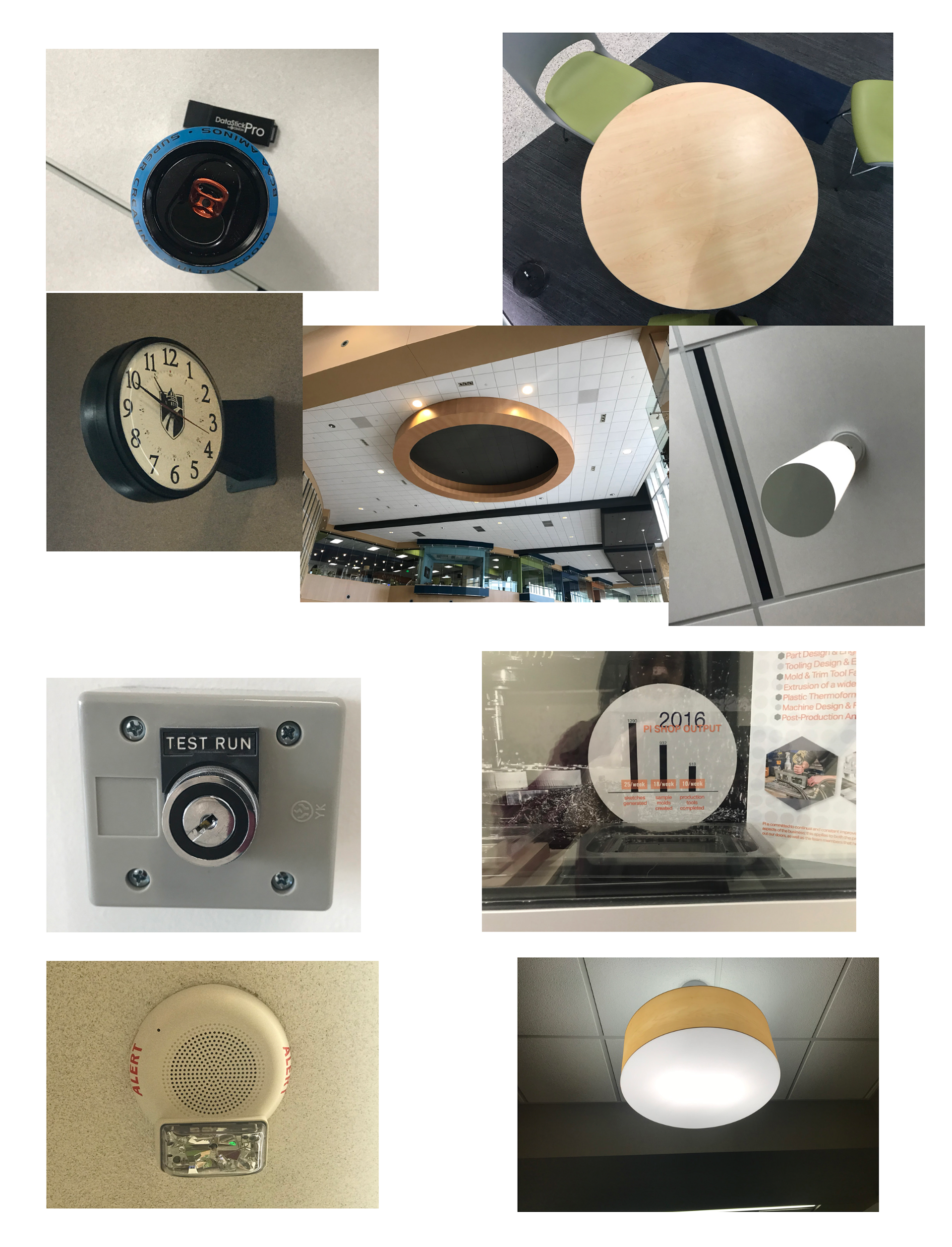
EXTRAS: Muriah kelso Control, Meghan Johns Camouflage, Mel Wenger Camouflage (self portrait) + Impossible
Sarah Shumaker Utopian + Camouflage
Sarah Shumaker Utopian + Camouflage
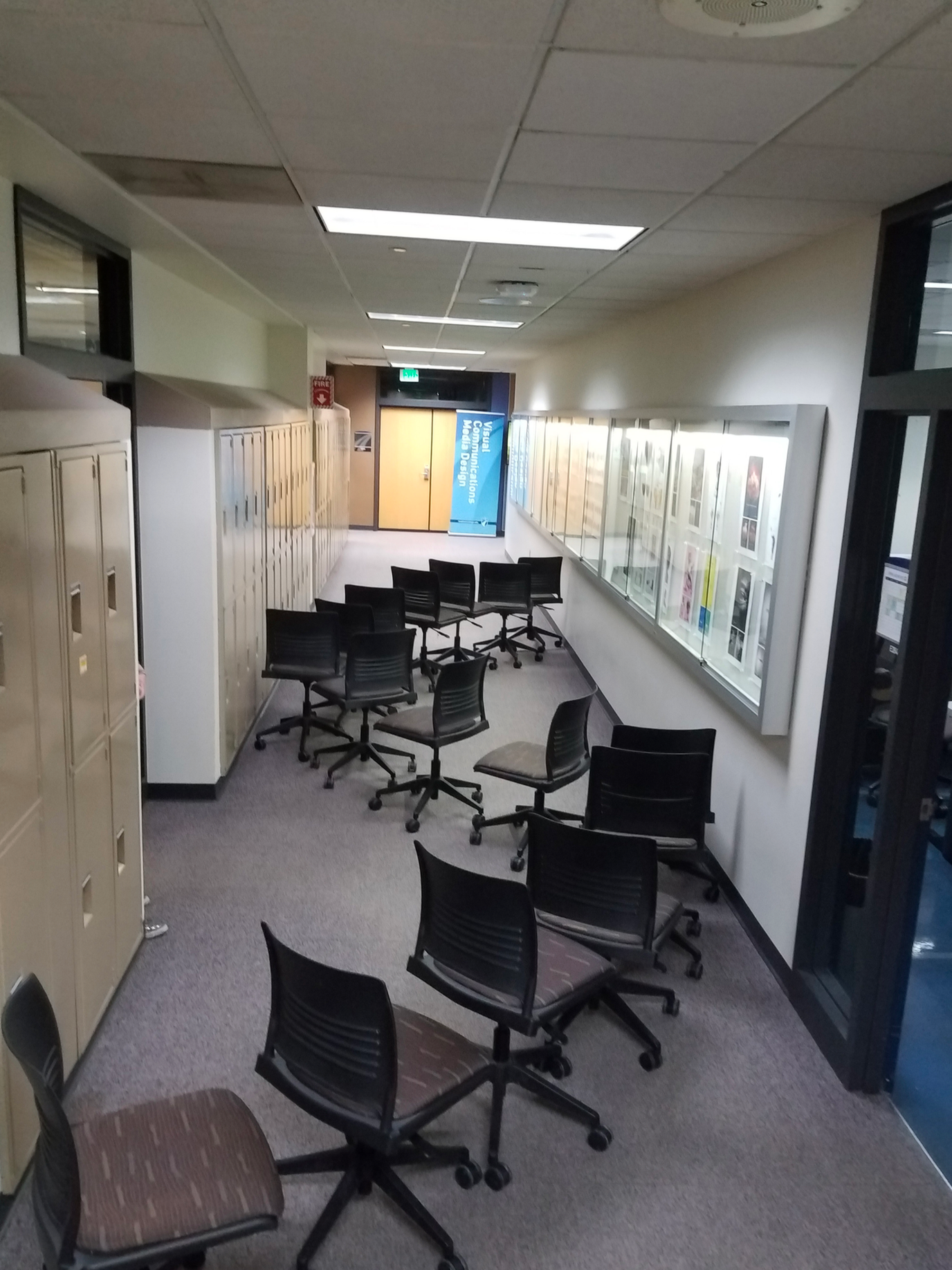
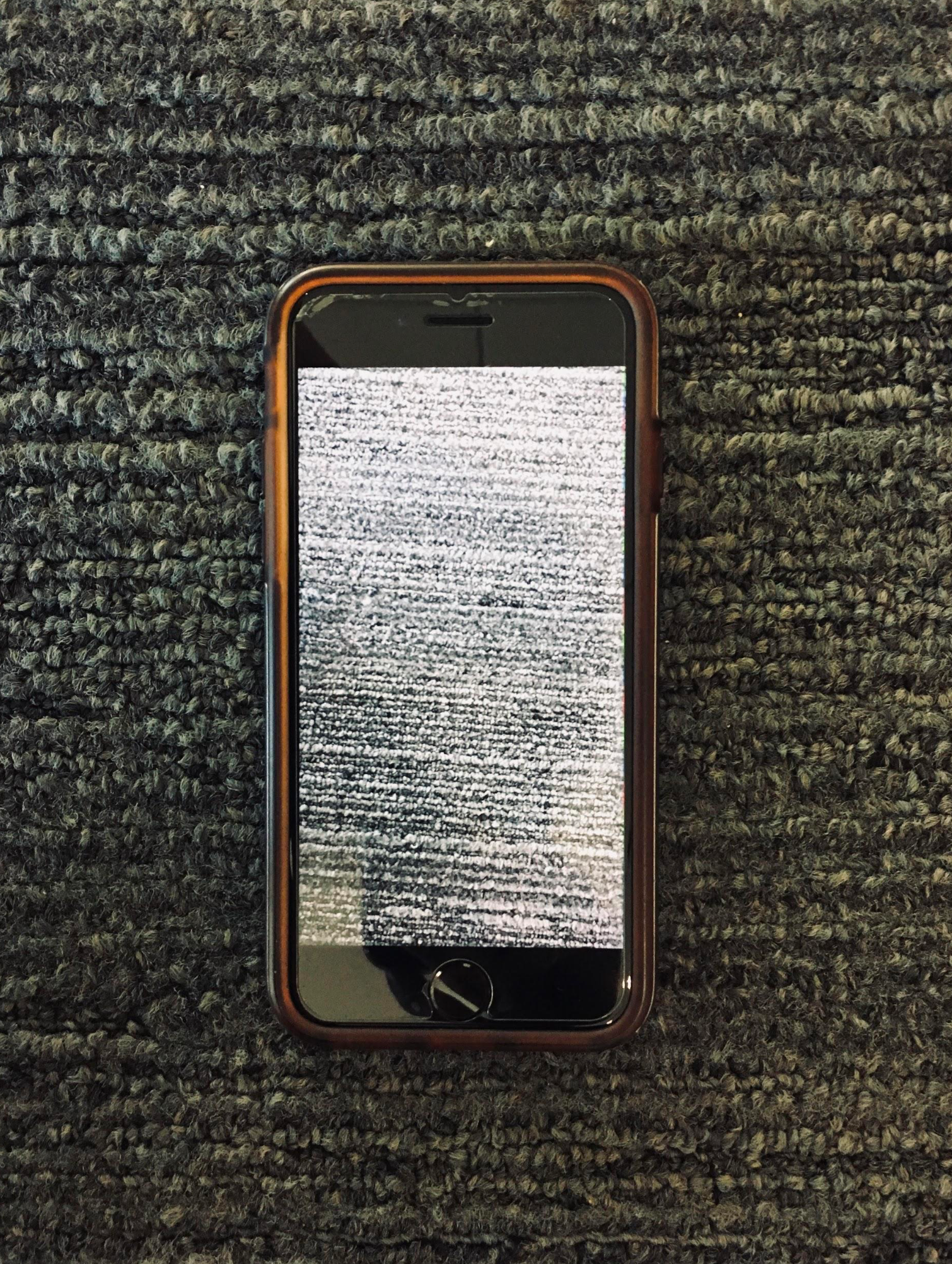
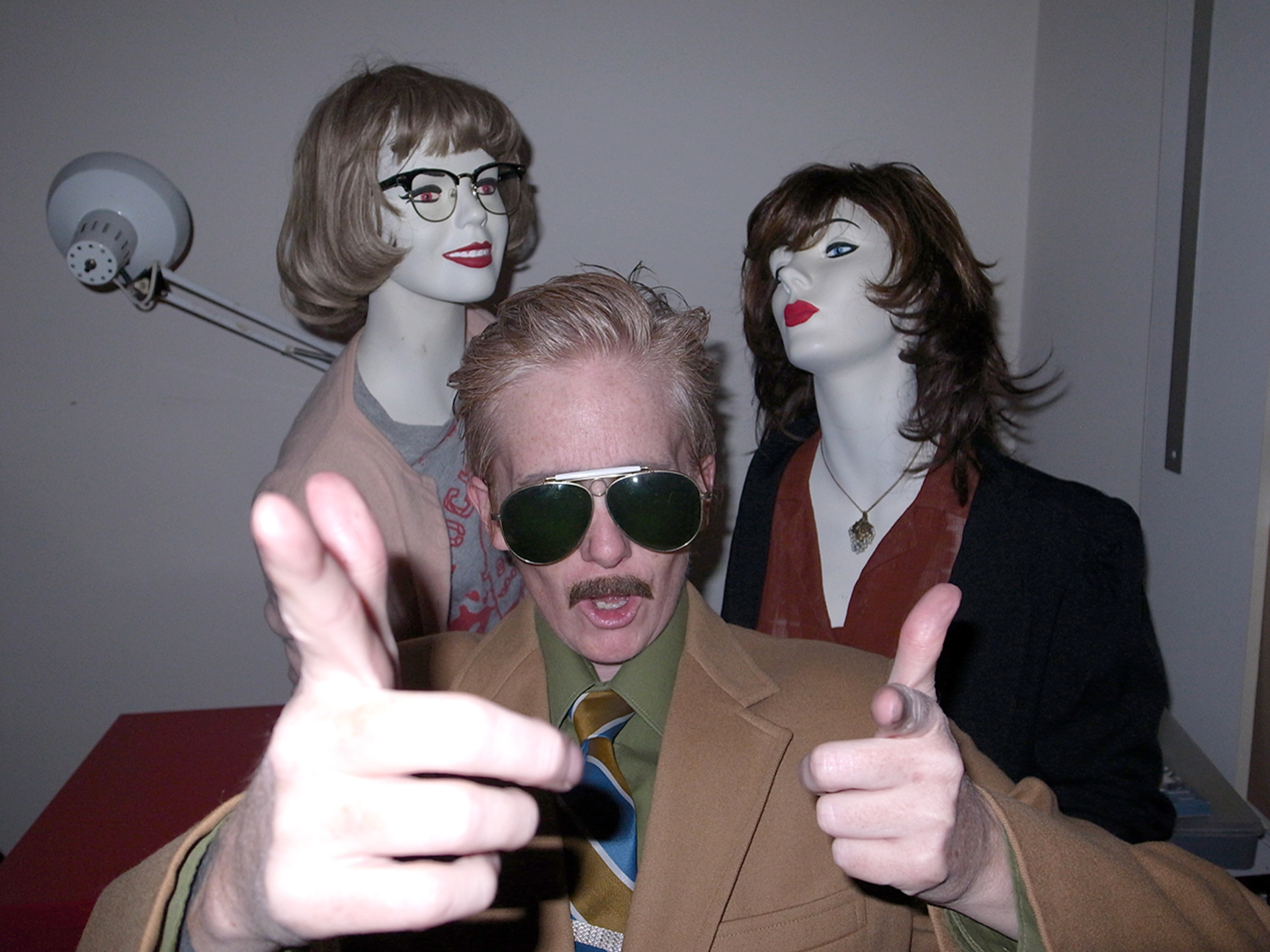
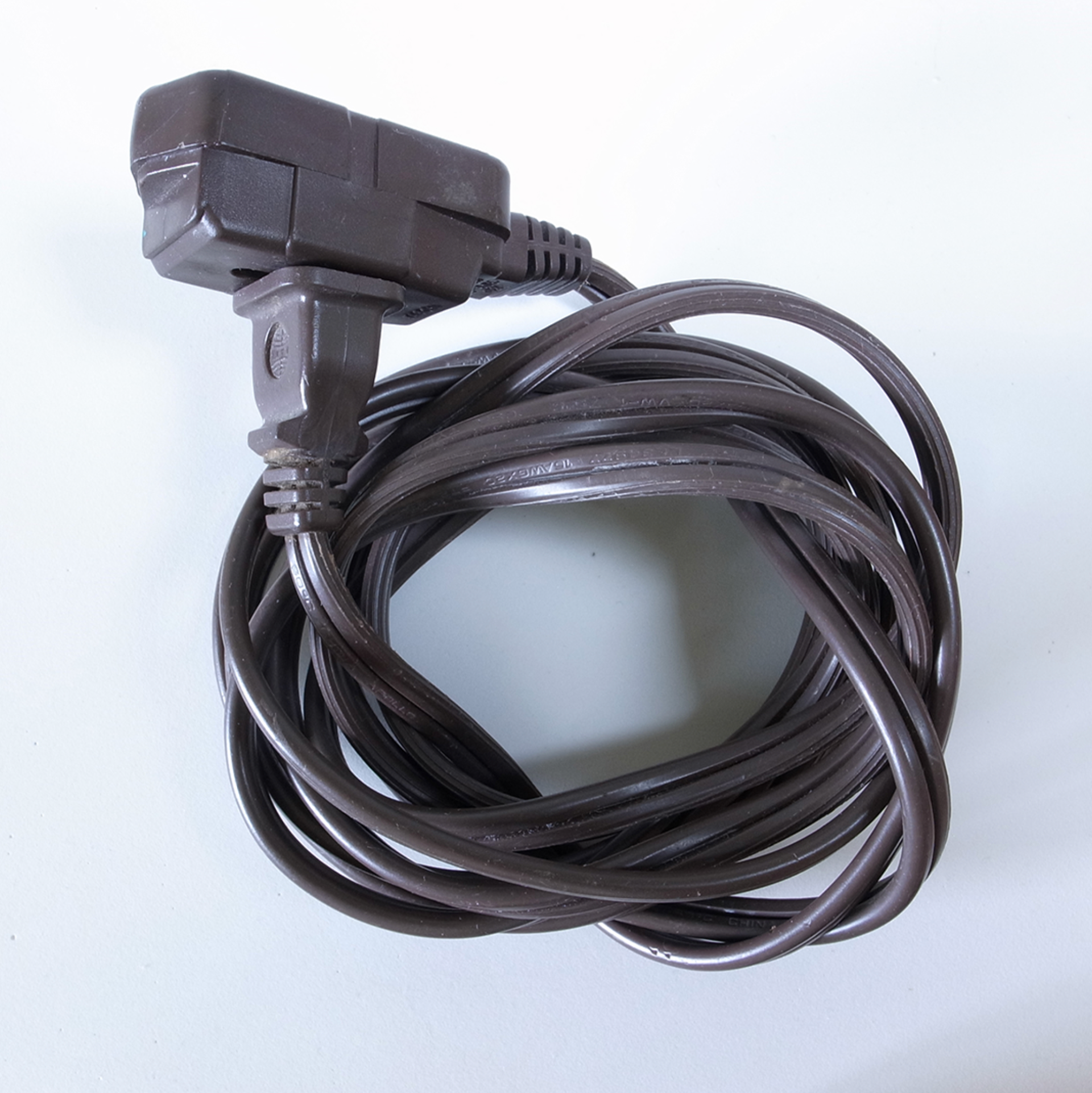
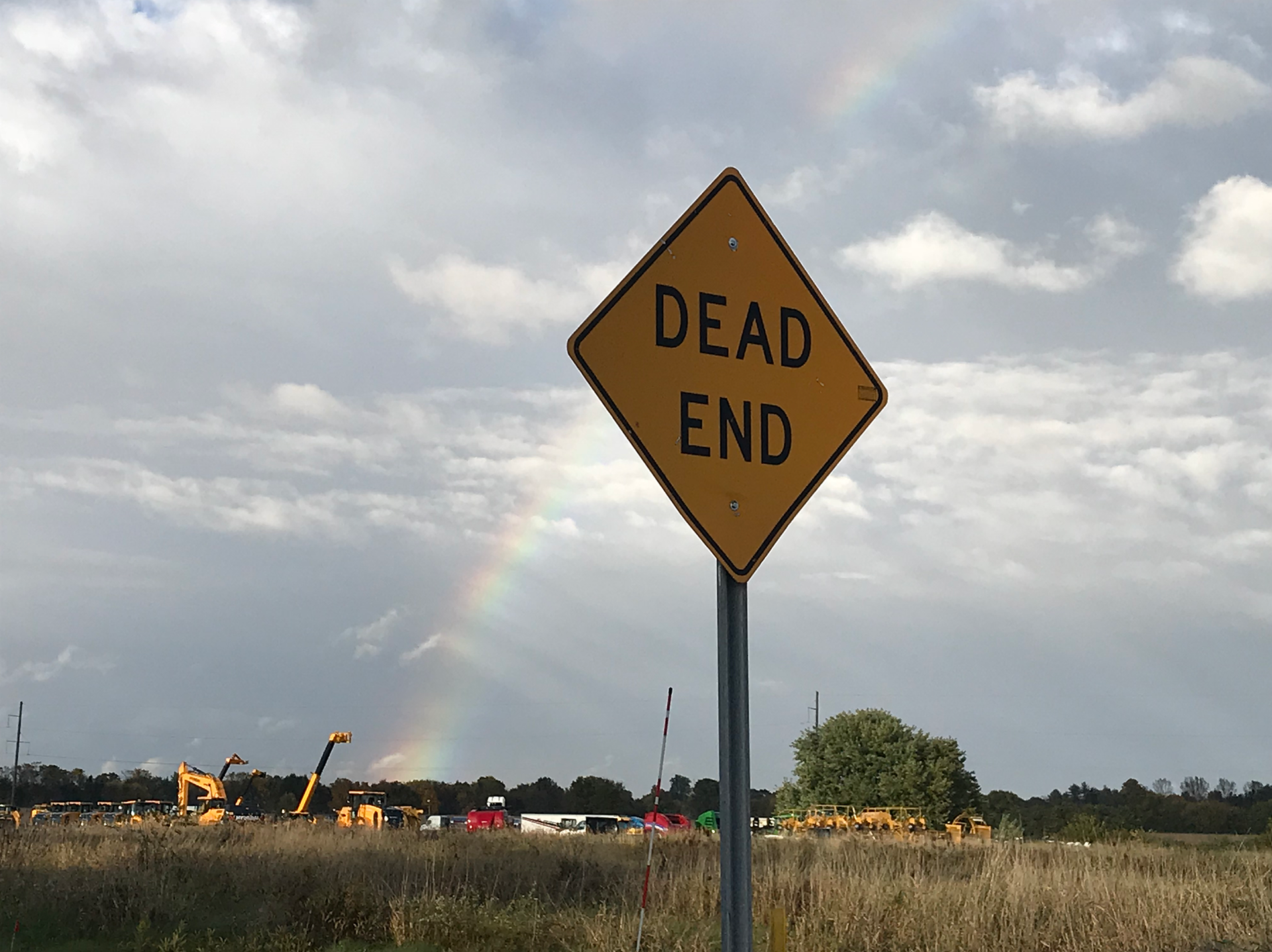
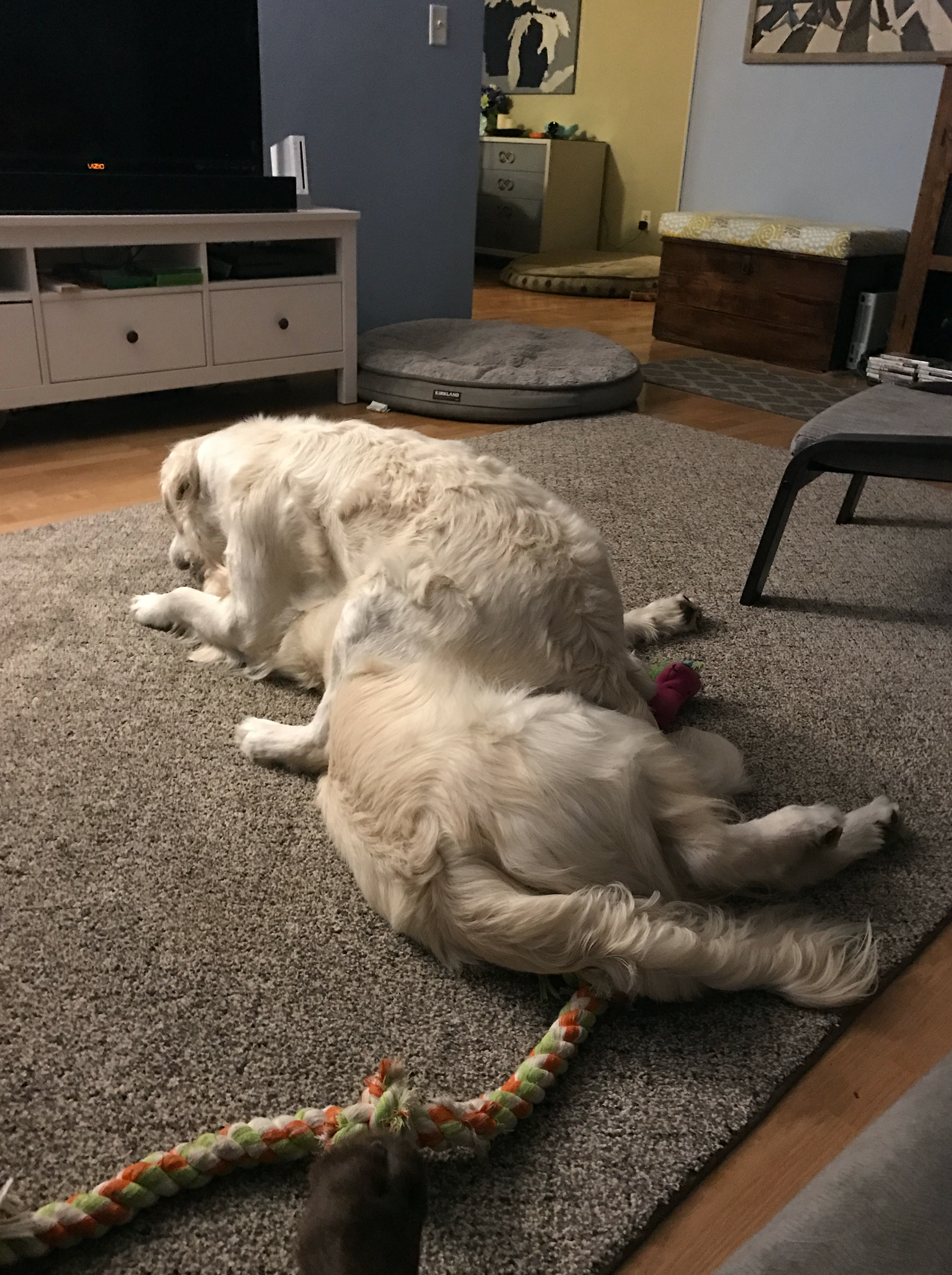
Paigit Souvannasone [whatever] Girl in White VanGogh / Axl Bradshaw Georgia O’Keeffe (Hands) Alfred Stieglitz /
Meghan Johns Warhol @ Woodmans Andy Warhol
Meghan Johns Warhol @ Woodmans Andy Warhol
CRITIQUE GUIDE AND PROMPT