OVERVIEW (Curriculum and student examples below):
This course is designed with a focus on process, authorship, ideation and collaboration. We work in self-discovery while trying instructor-guided and proposed processes and methods. Students are encouraged not to concern themselves with aesthetics; rather, hypotheses, tests, play, and coherent communication of ideas and generation of substantial concepts in the medium that best supports the work.
This course is designed with a focus on process, authorship, ideation and collaboration. We work in self-discovery while trying instructor-guided and proposed processes and methods. Students are encouraged not to concern themselves with aesthetics; rather, hypotheses, tests, play, and coherent communication of ideas and generation of substantial concepts in the medium that best supports the work.
Before Prompts are delivered, OVERVIEWS created introduce the concept or topic, and are presented and discussed in varying formats (typically as a large group, small groups). Prompts promote fluid workspaces, dialogue, and dynamic modalities for producing and learning. Prompts center around concepts in education (tutorials, narrative revisions, schema), design and visual communication industries (product placement, mimicry, advertising), contemporary issues and ideology (adaptation, artificial intelligence, interaction), and pop/culture (influencers, media), and most importantly, critiques. Critiques were conducted as additions and direct responses to peer work, collaborating directly with files and artifacts.
16 weeks, Graphic Design + Visual Communication program at Madison College, Madison WI, Associates of Applied Arts degree. 2015 and 2018-2022
COURSE VIEWING + READING:
Ways of Seeing, John Berger / Wall•E / Ex-Machina / Fyre Fraud / Damien Hirst - Treasures from the Wreck of the Unbelievable / A Coyote Columbus Story, by: Thomas King / Speculative Everything: Design, Fiction and Social Dreaming / The Truman Show
*cover image by: Dimitrius Olver*
16 weeks, Graphic Design + Visual Communication program at Madison College, Madison WI, Associates of Applied Arts degree. 2015 and 2018-2022
COURSE VIEWING + READING:
Ways of Seeing, John Berger / Wall•E / Ex-Machina / Fyre Fraud / Damien Hirst - Treasures from the Wreck of the Unbelievable / A Coyote Columbus Story, by: Thomas King / Speculative Everything: Design, Fiction and Social Dreaming / The Truman Show
*cover image by: Dimitrius Olver*
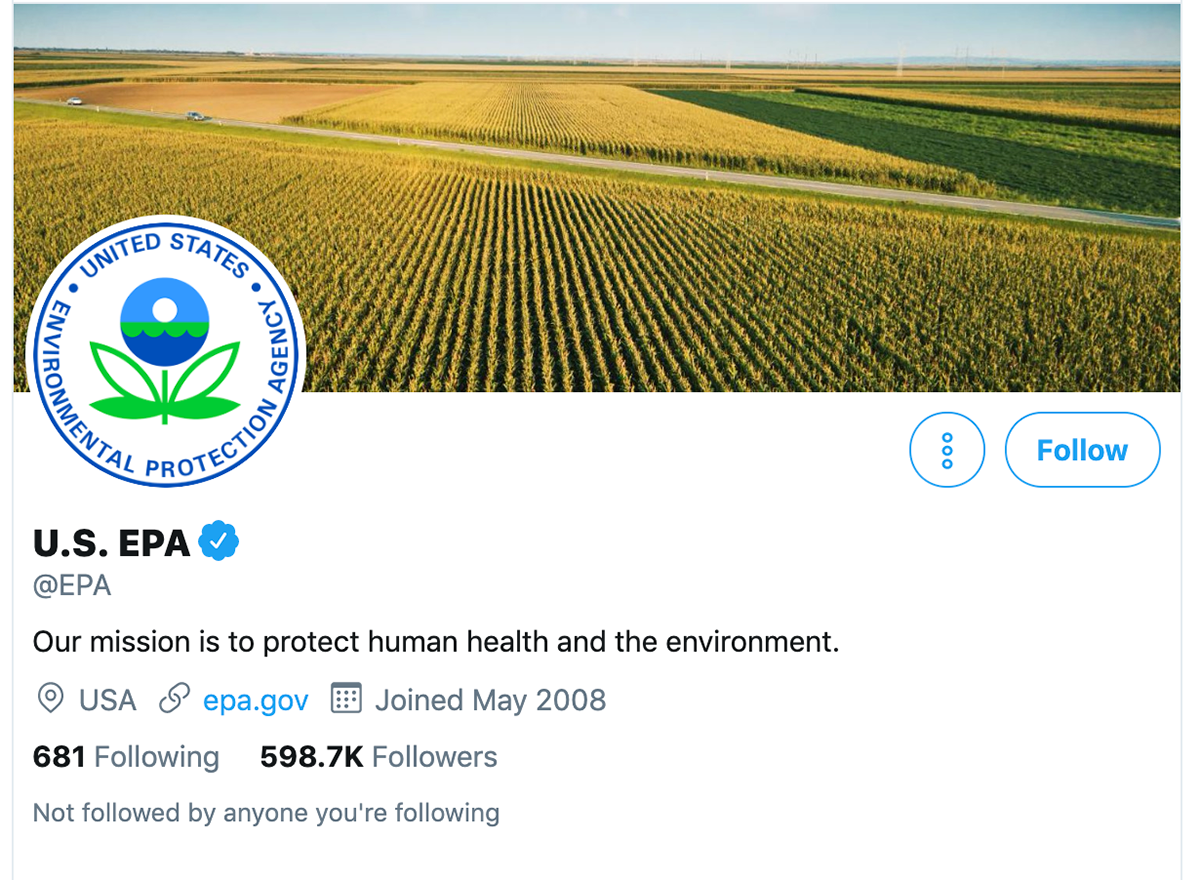
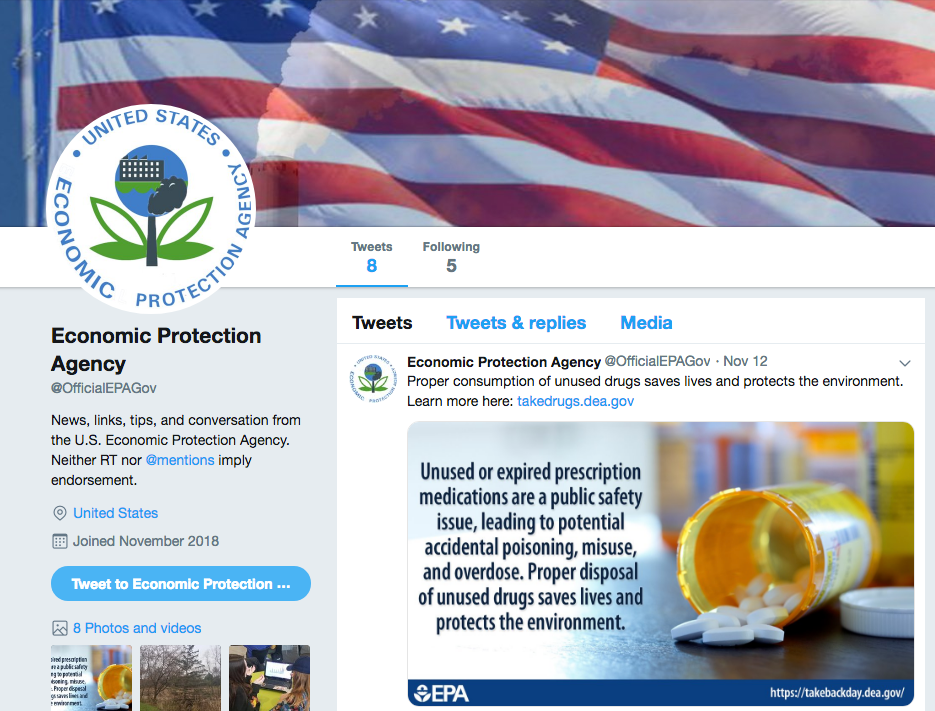
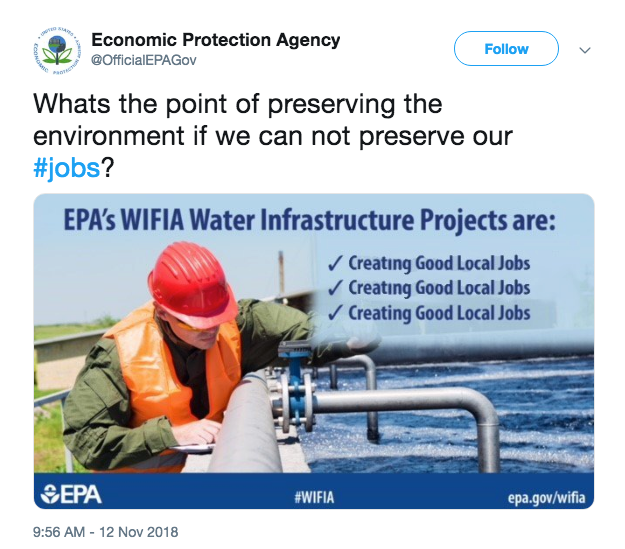
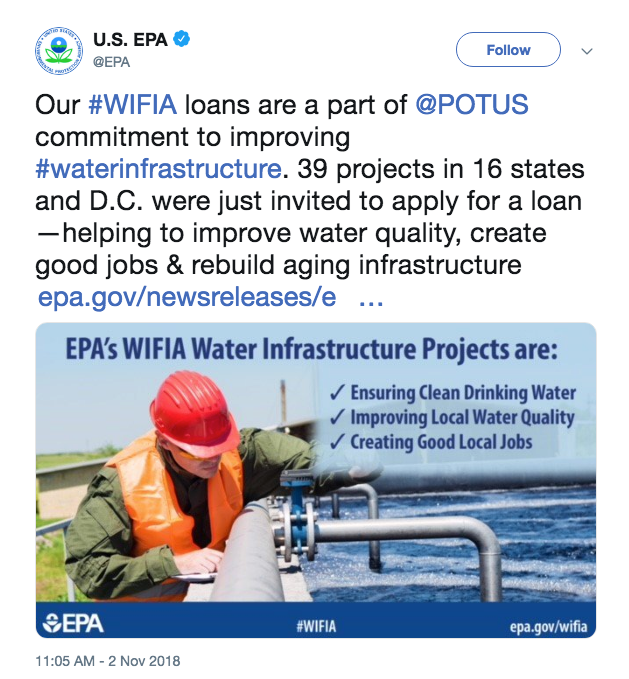
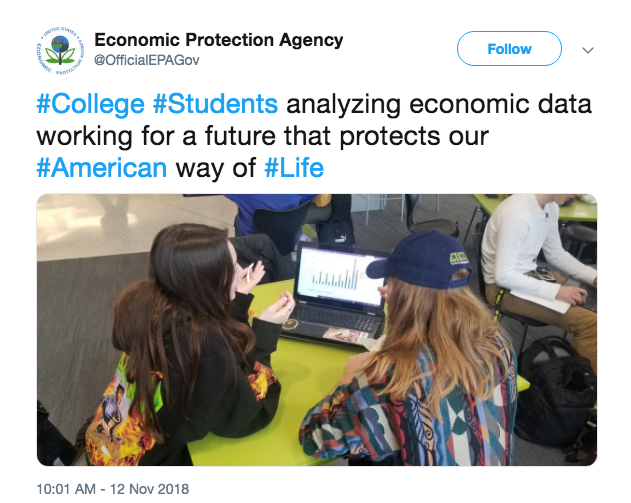
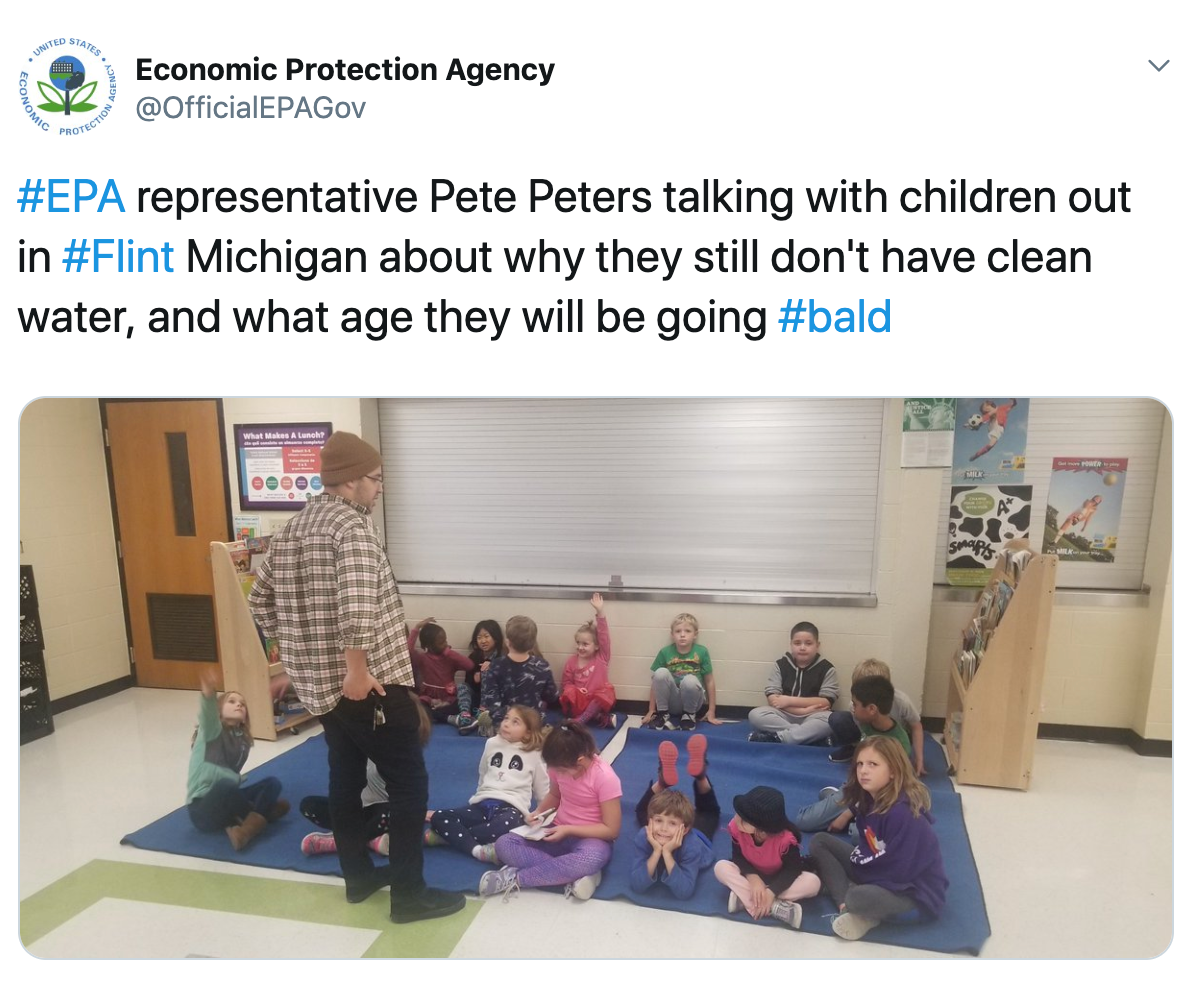
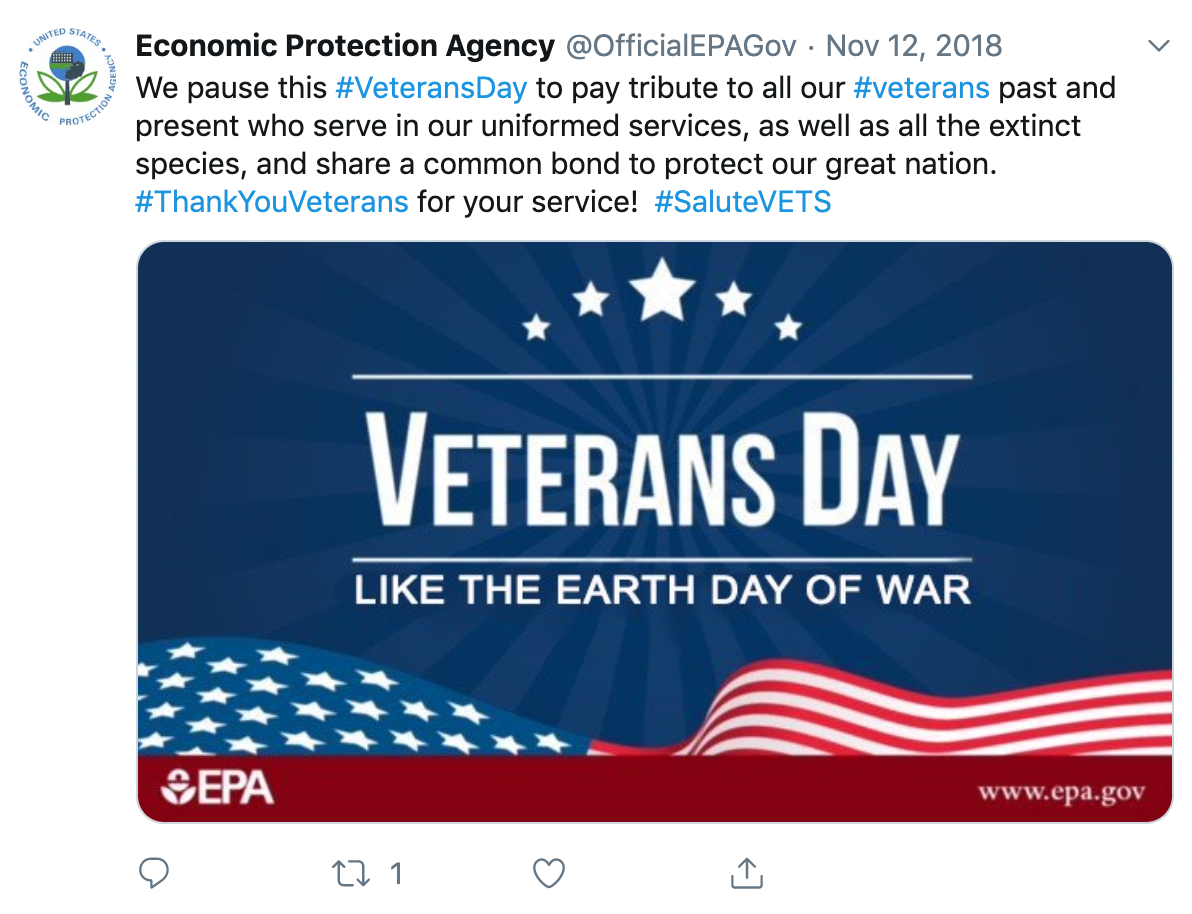
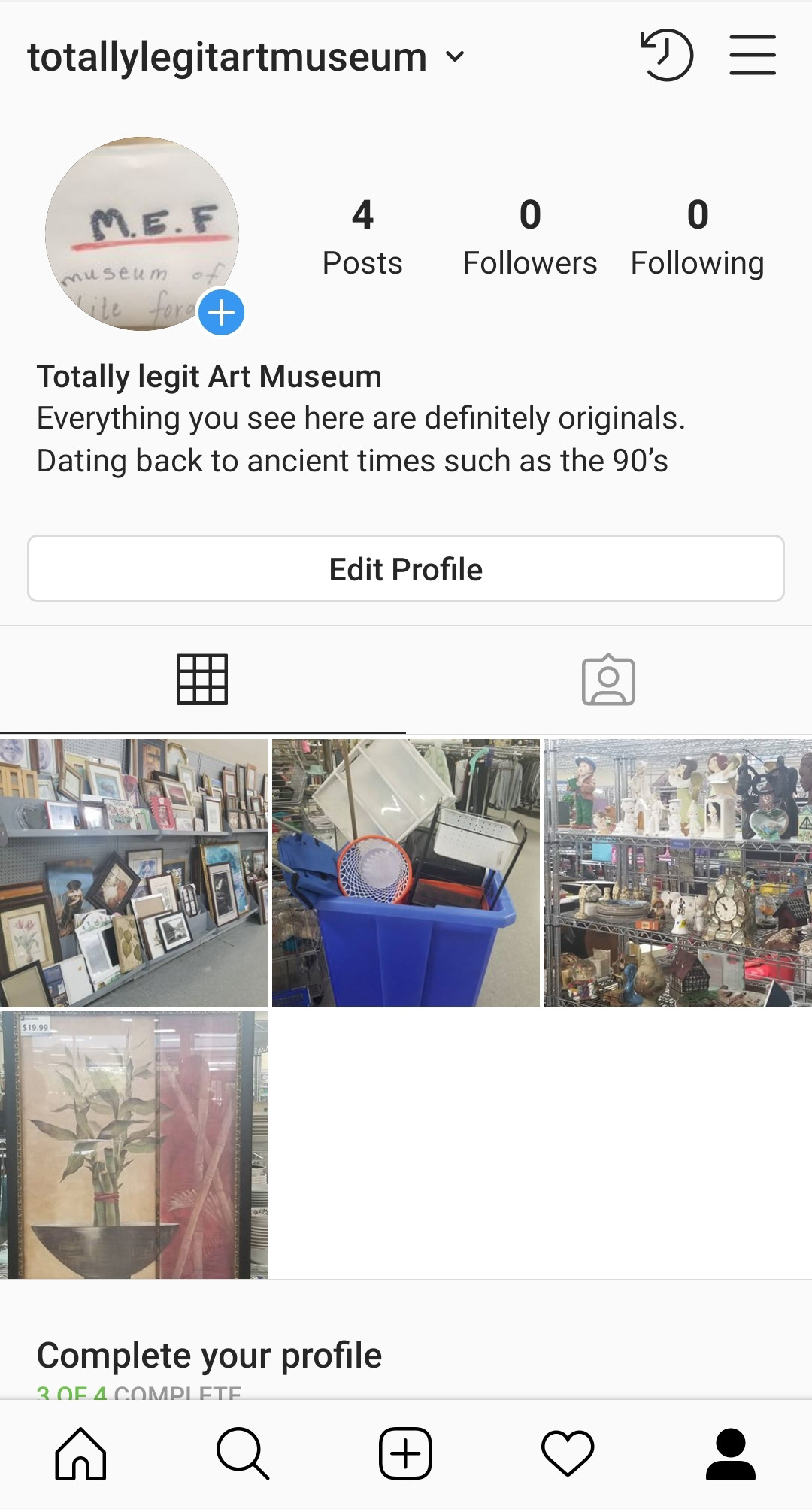
Drew Wolf, Mallory Lochner, Angelica Harper: Museum of Elite Forgery @totallylegitartmuseum
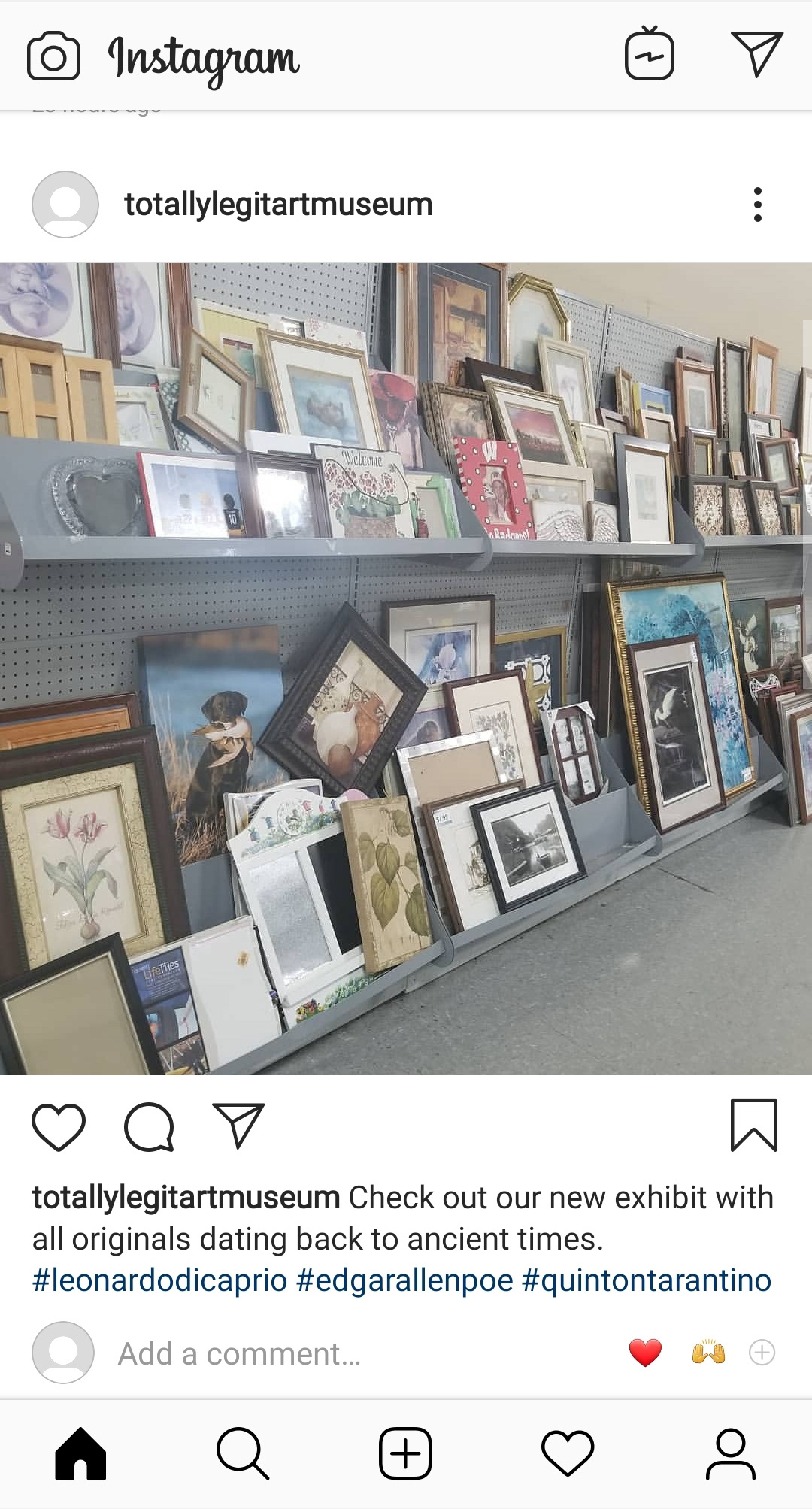
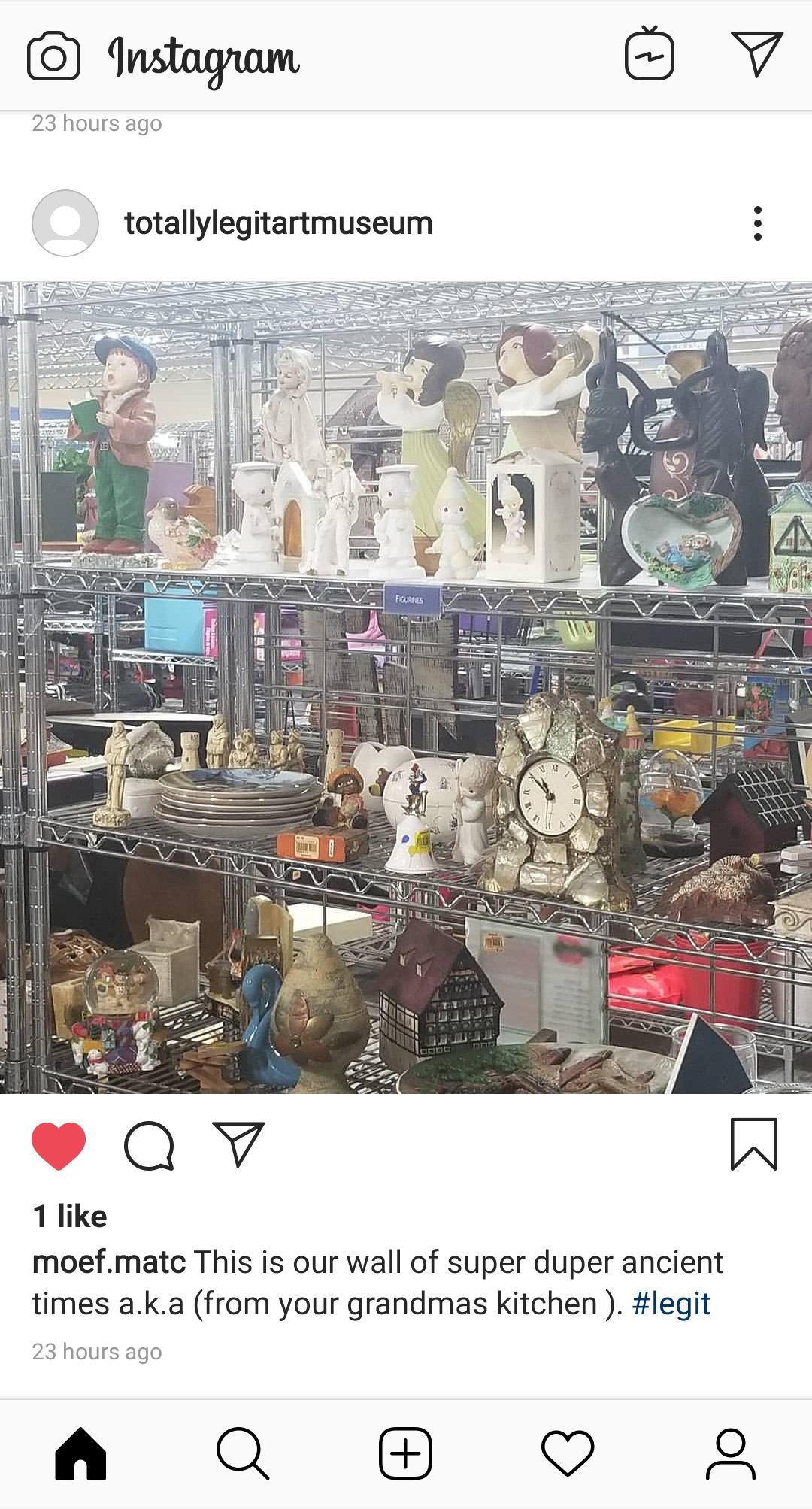
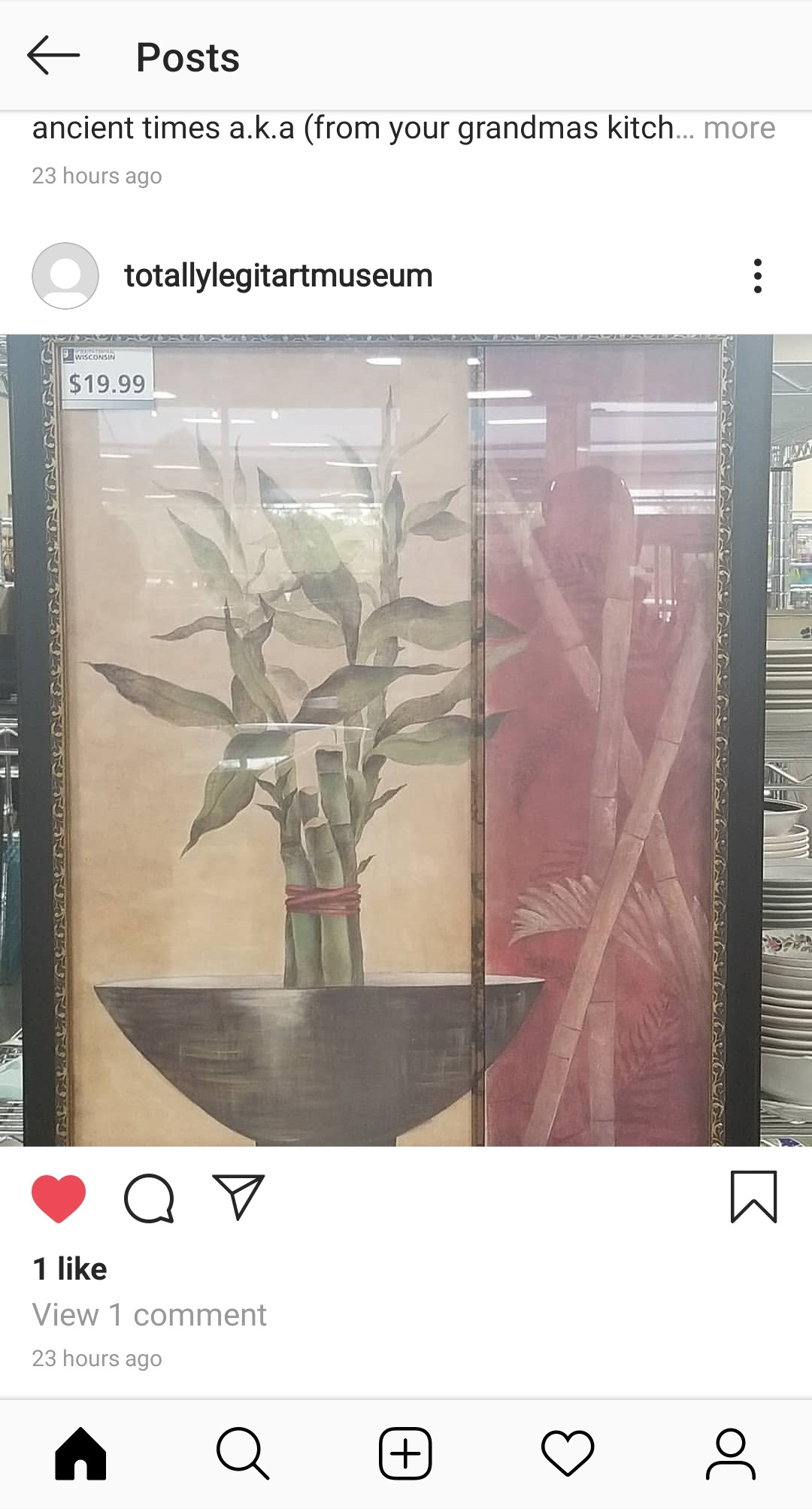
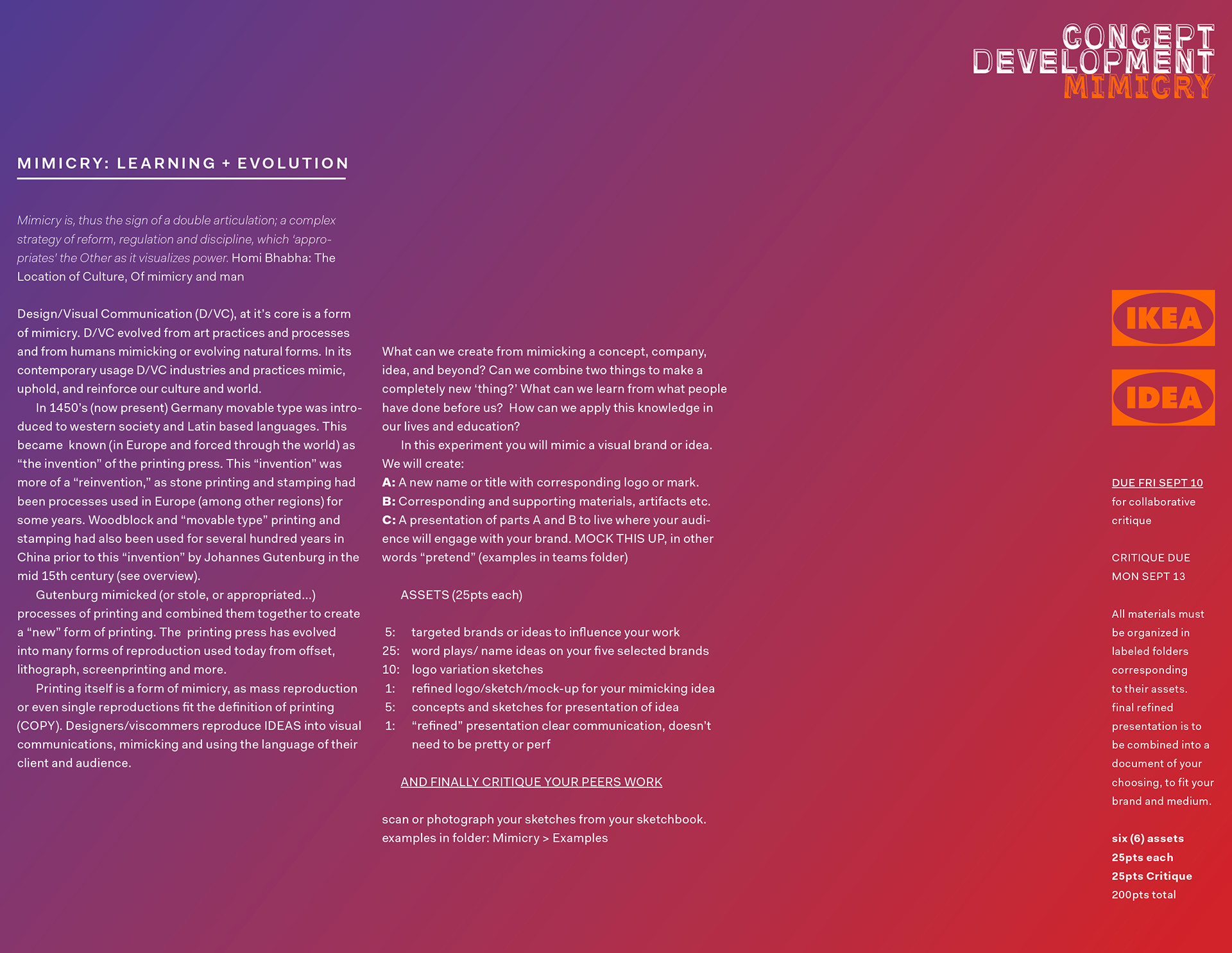
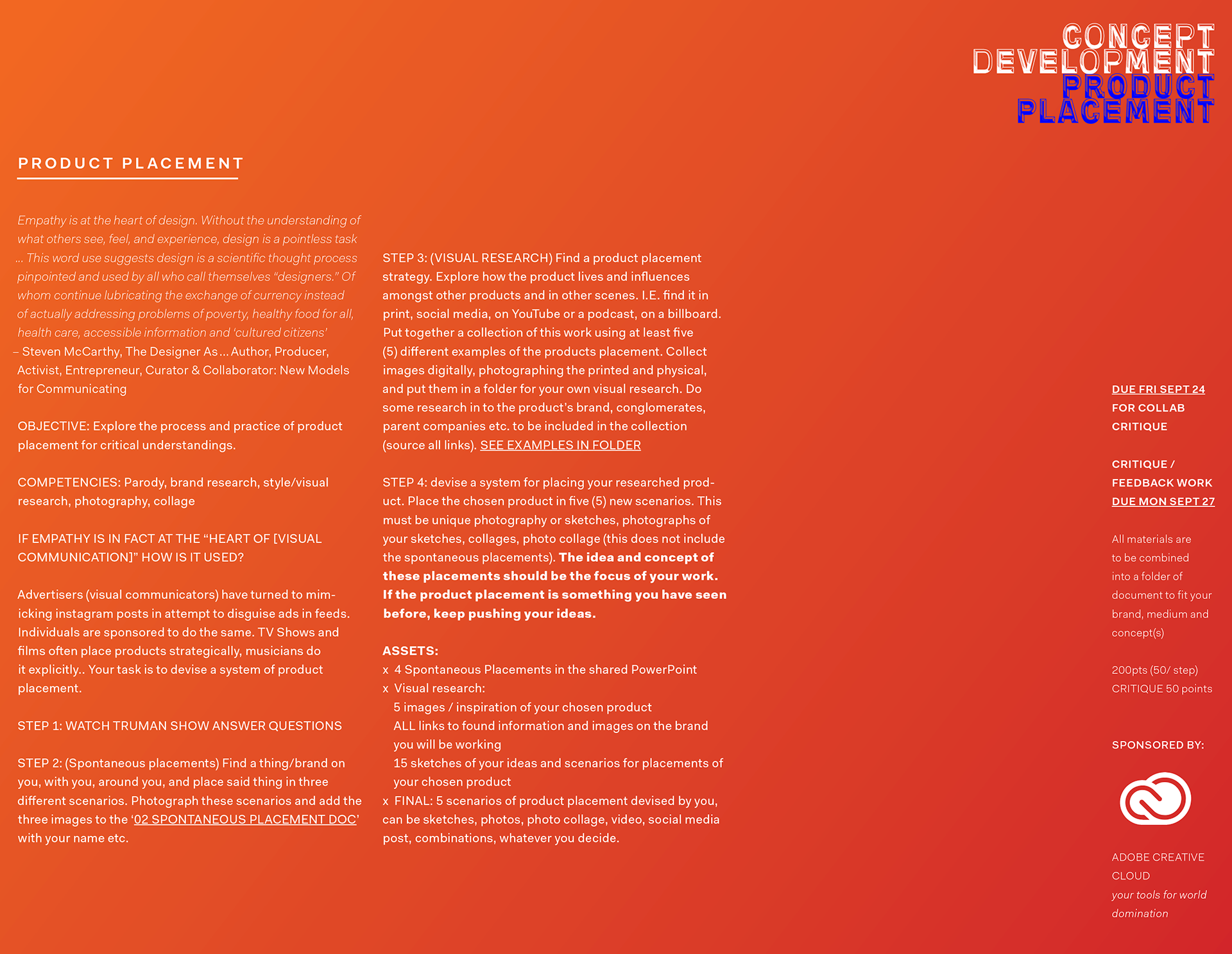
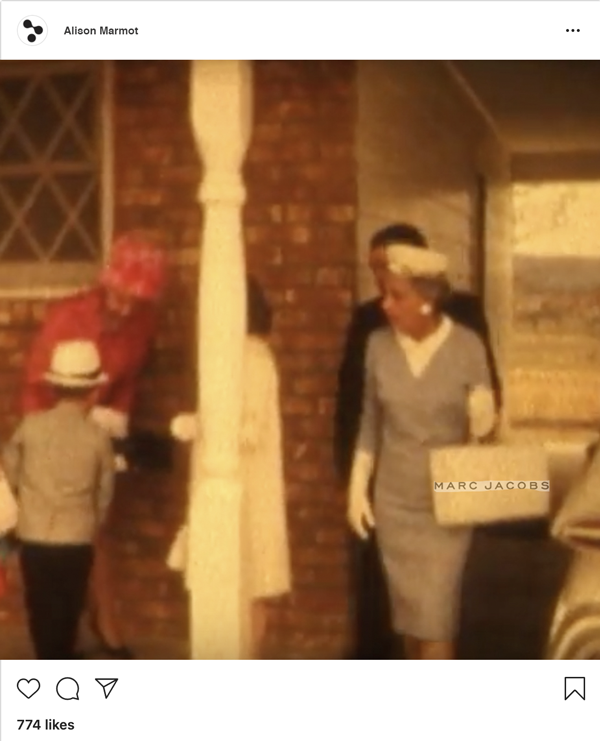
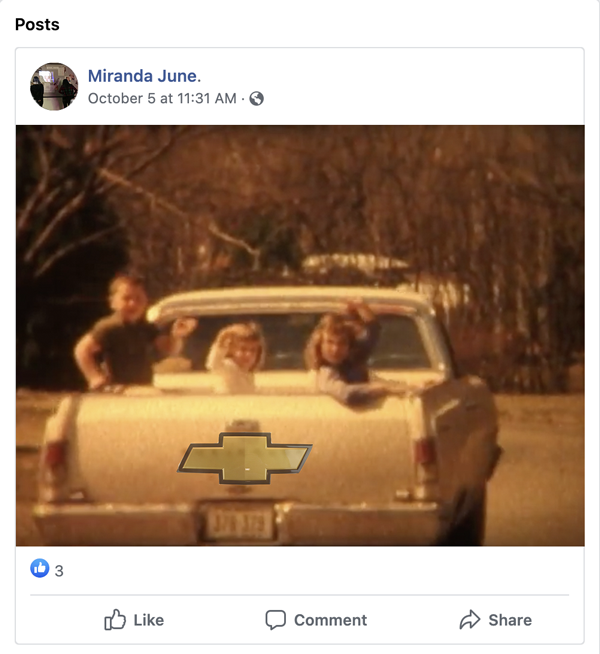
CONTROL: PRODUCT PLACEMENT (WK 2-4) OVERVIEW HERE
WATCH The Truman Show in class
WATCH The Truman Show in class
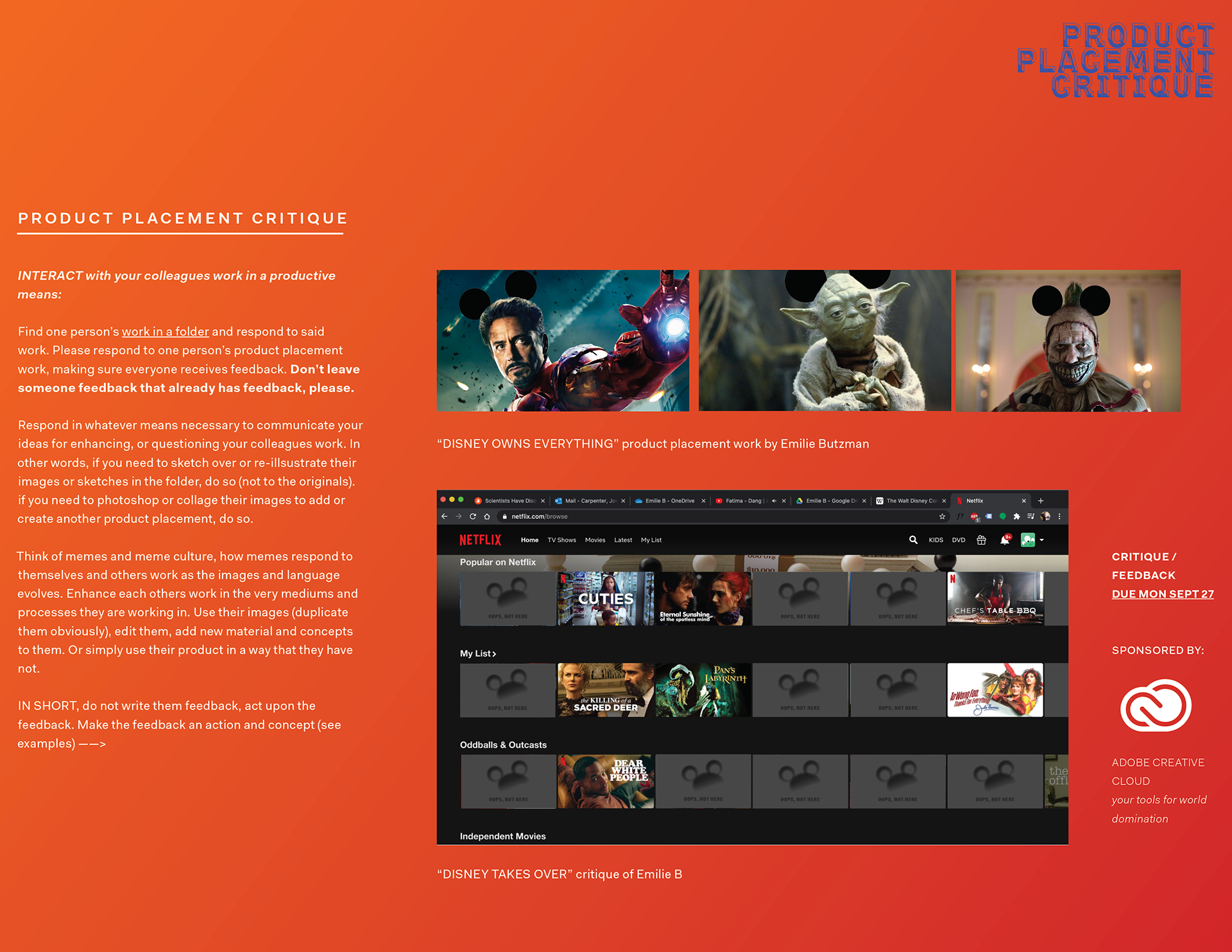
Emilie Butzman: "Disney owns everything"
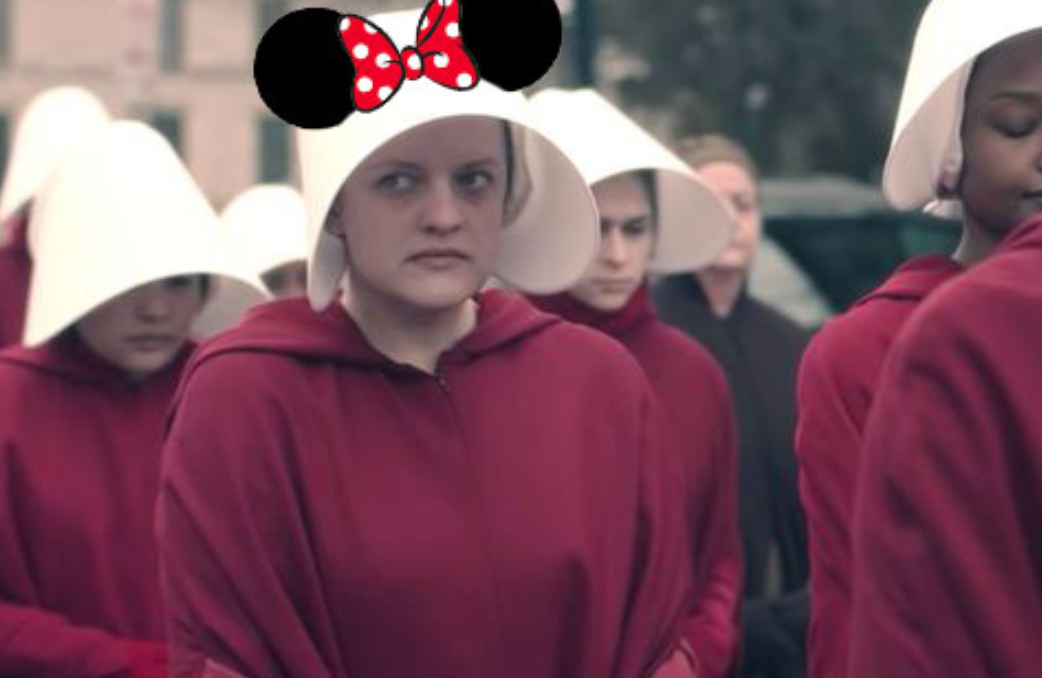
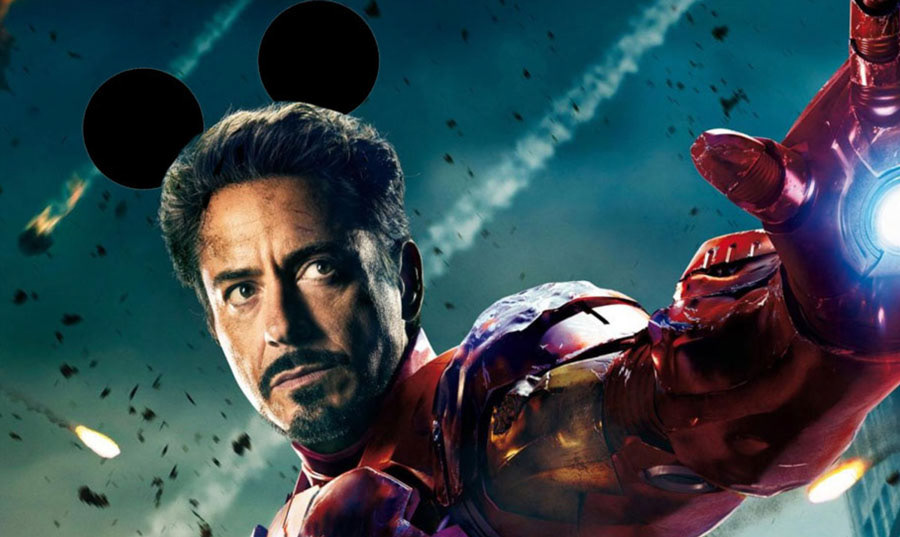
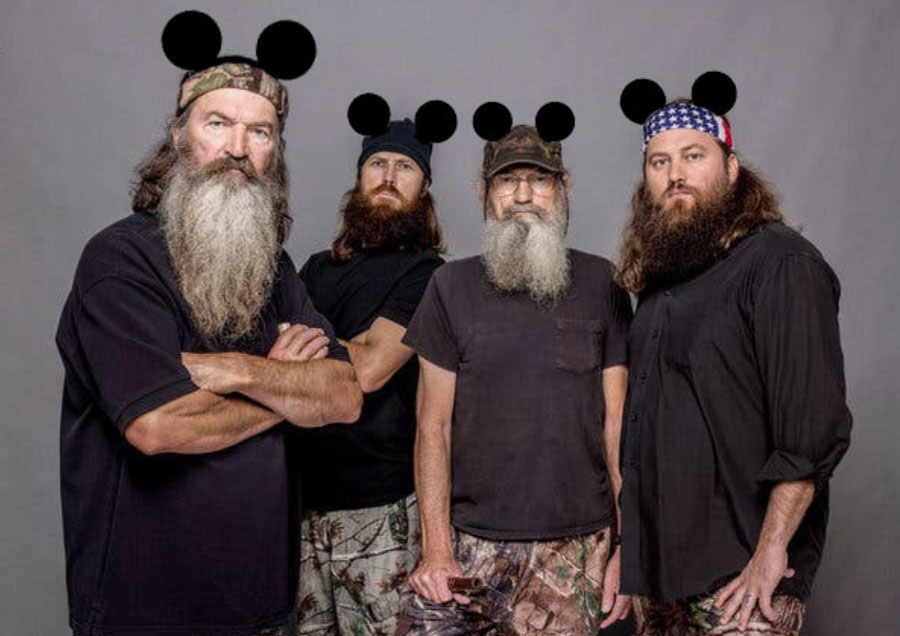
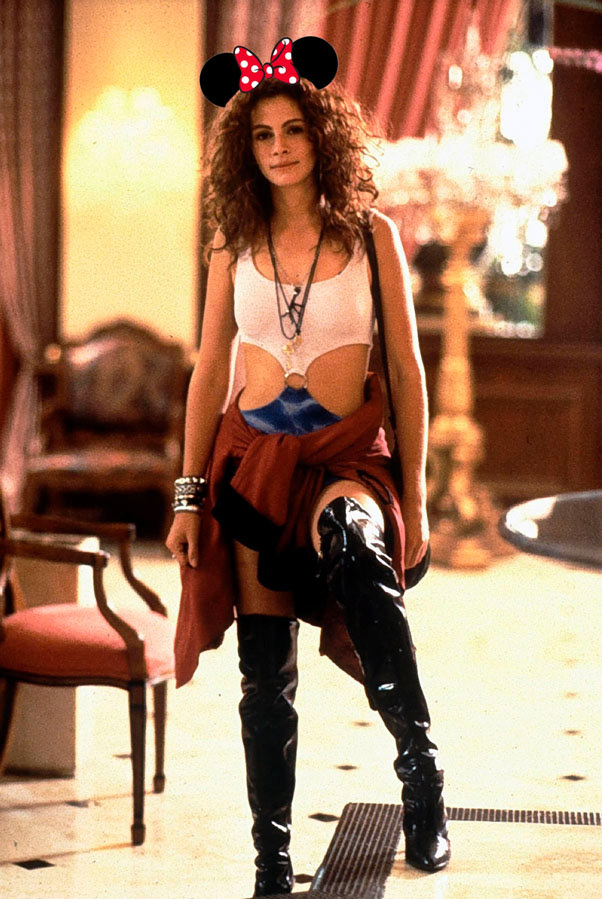
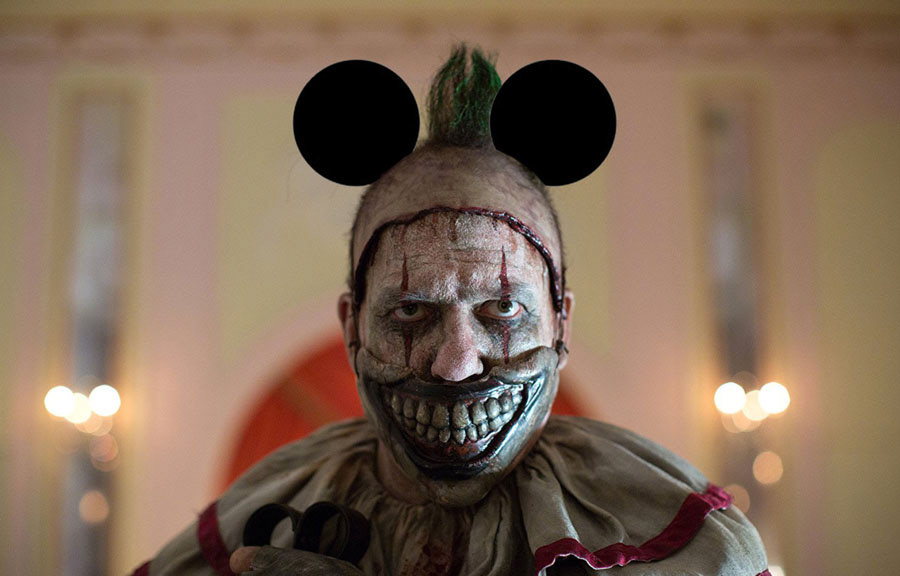
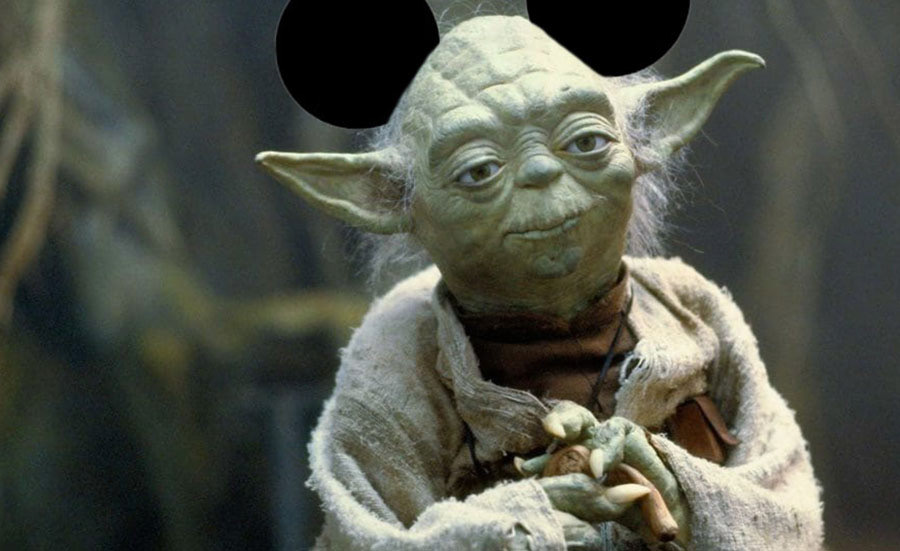
CRITIQUE by Alejandro Sonne
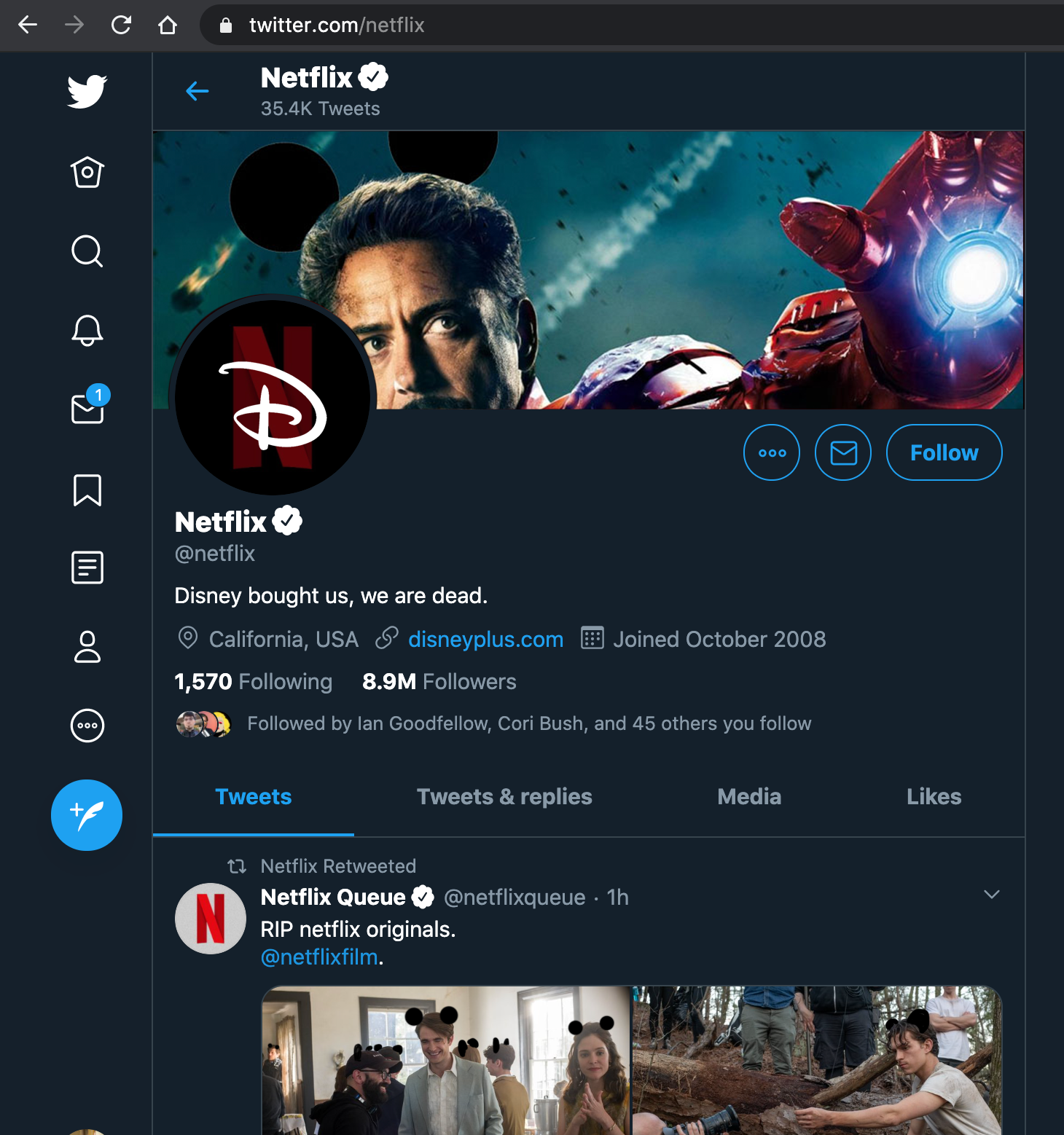
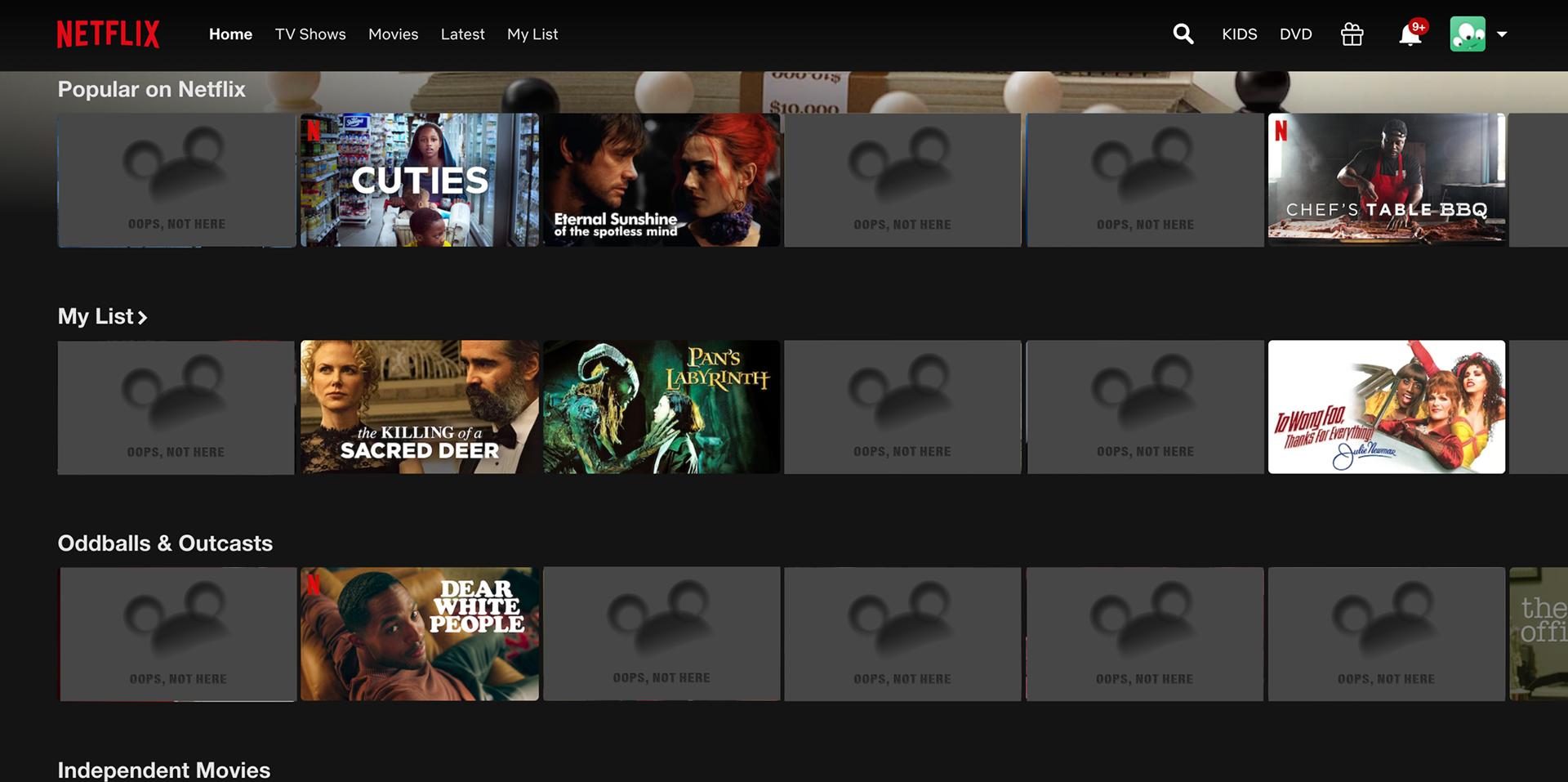
Devin Tolleson, algorithm brand enhancement
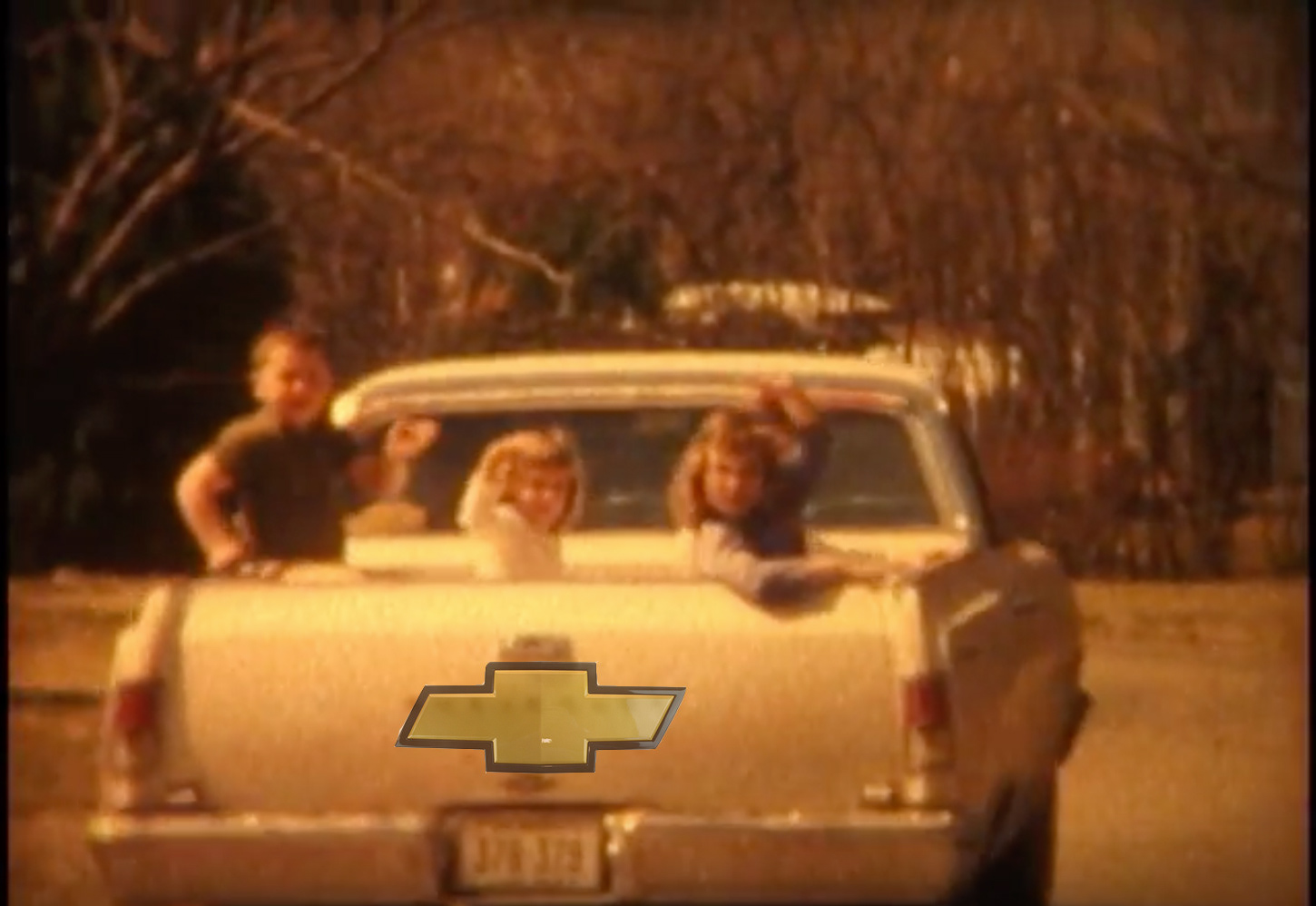
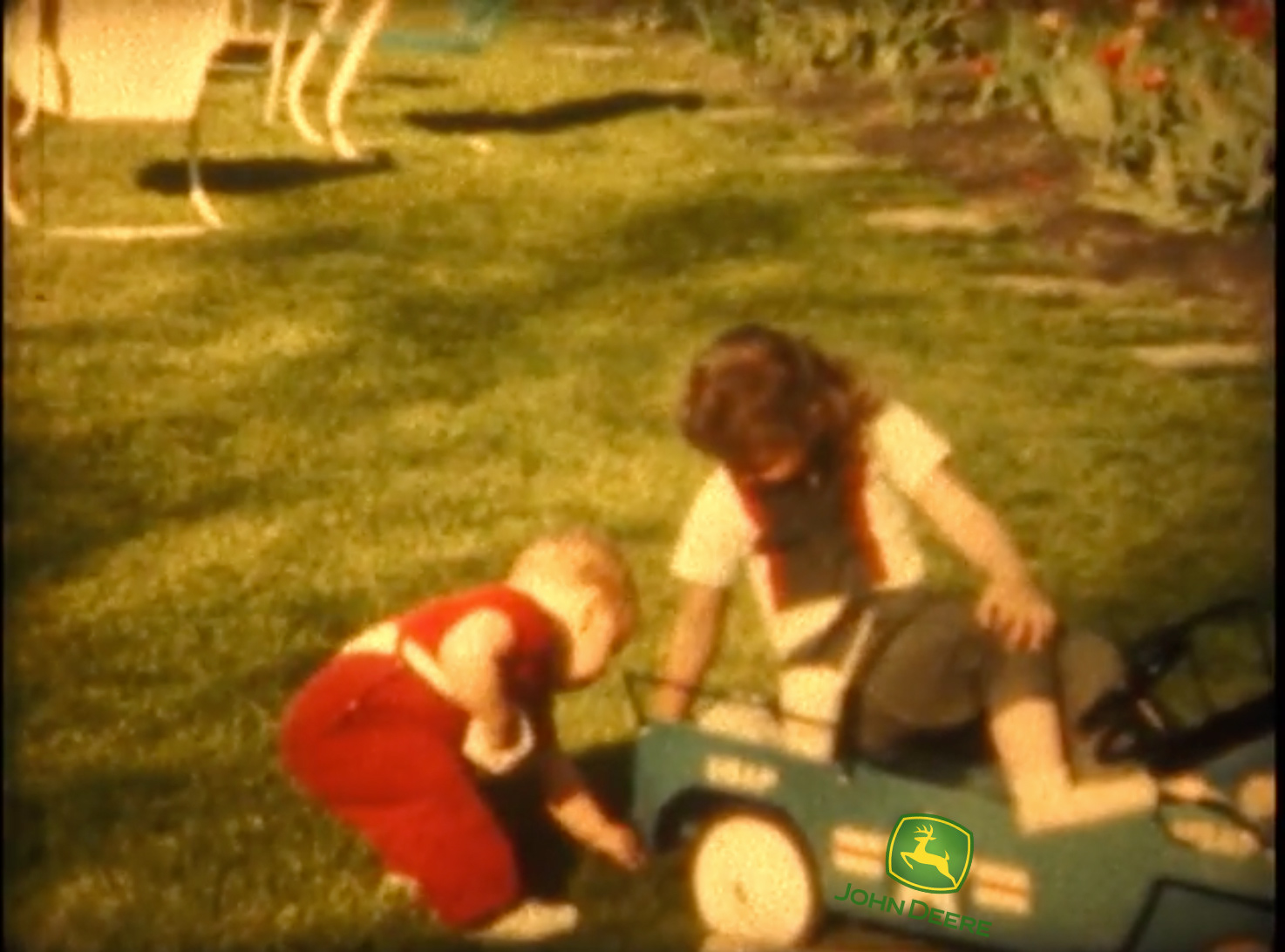
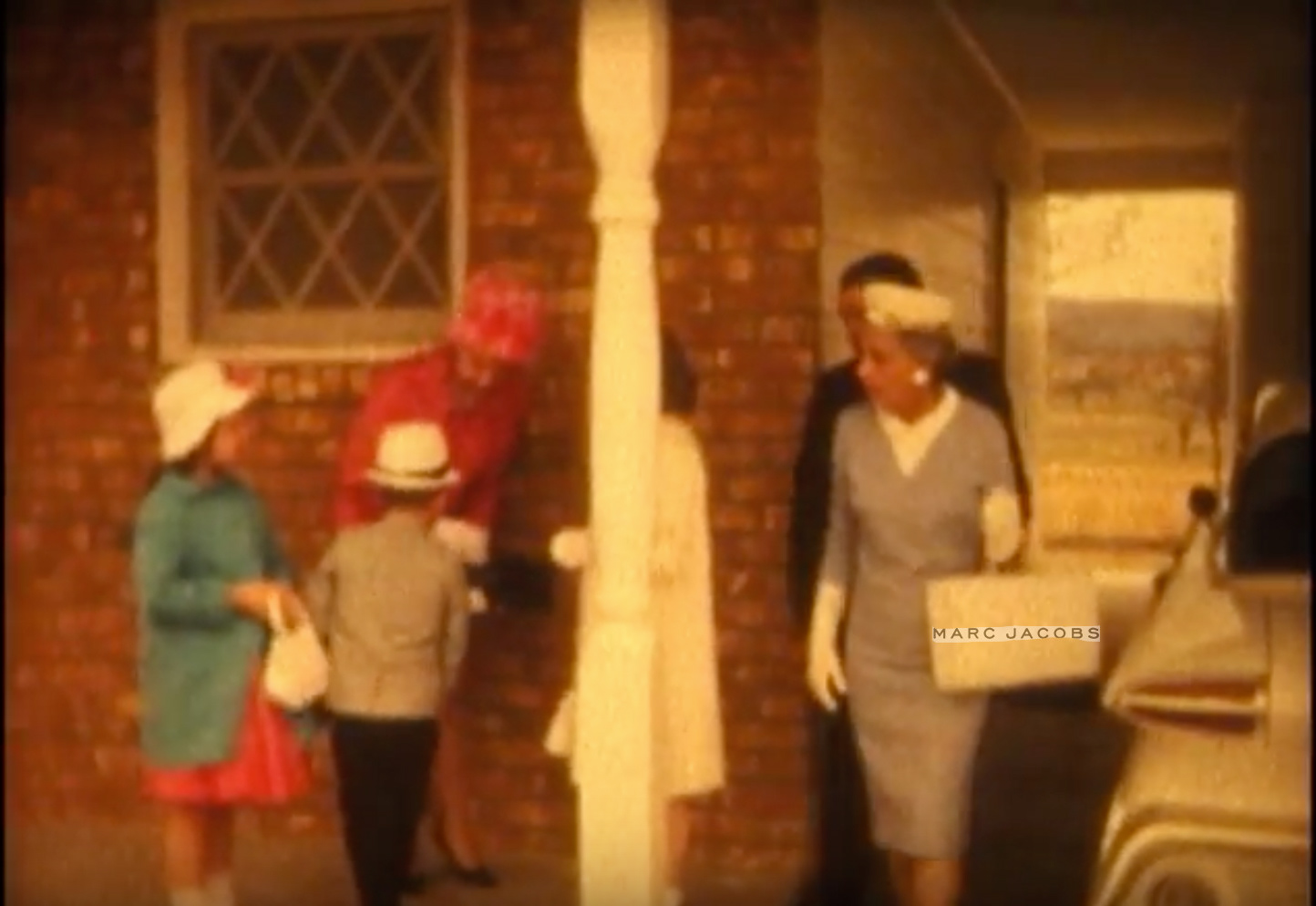

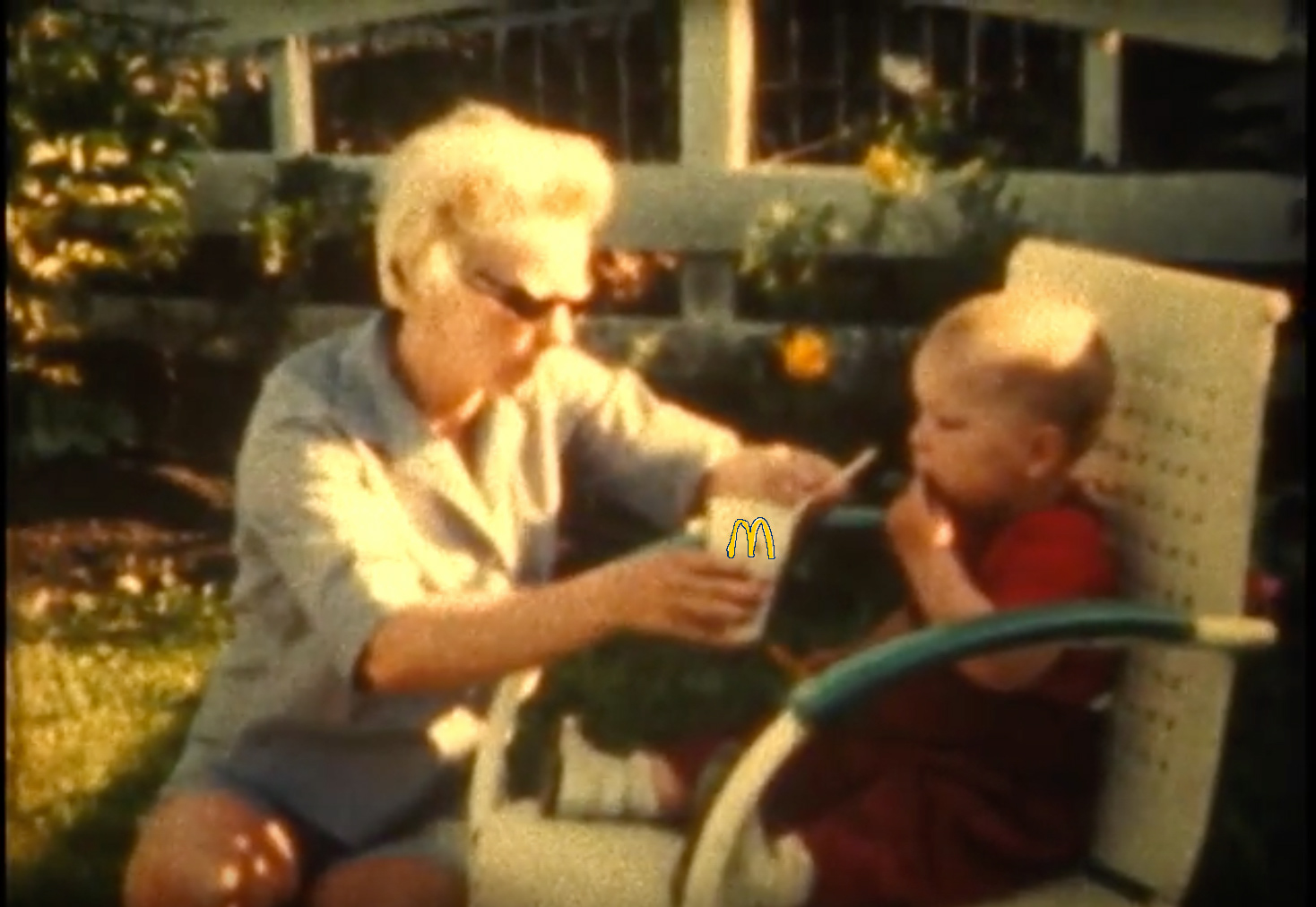
CRITIQUE by Arthur Hjisendt, automated for social media
INFLUENCER (WK 4-6) OVERVIEW HERE
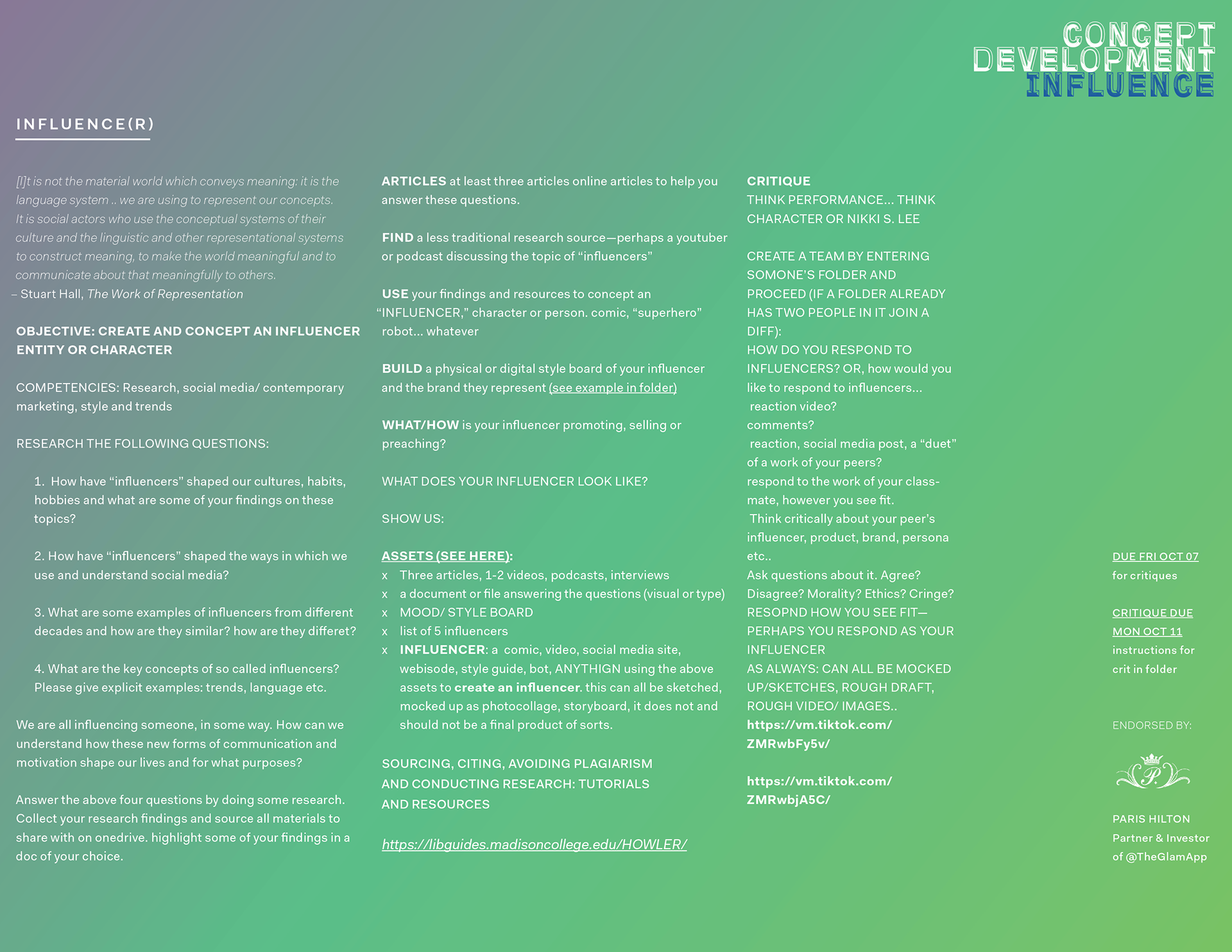
The course was split in two groups: one group watched Fyre Fraud Documentary, from Hulu. The other watched Fyre Fest Documentary. from Netflix. Collective analysis of the two documentaries happened in class together with each group presenting their assigned documentary. Influencer culture was at the forefront of the discussion and presentations via instructor prompts assigned with relevant documentaries.
The course was split in two groups: one group watched Fyre Fraud Documentary, from Hulu. The other watched Fyre Fest Documentary. from Netflix. Collective analysis of the two documentaries happened in class together with each group presenting their assigned documentary. Influencer culture was at the forefront of the discussion and presentations via instructor prompts assigned with relevant documentaries.
STUDENT WORK:
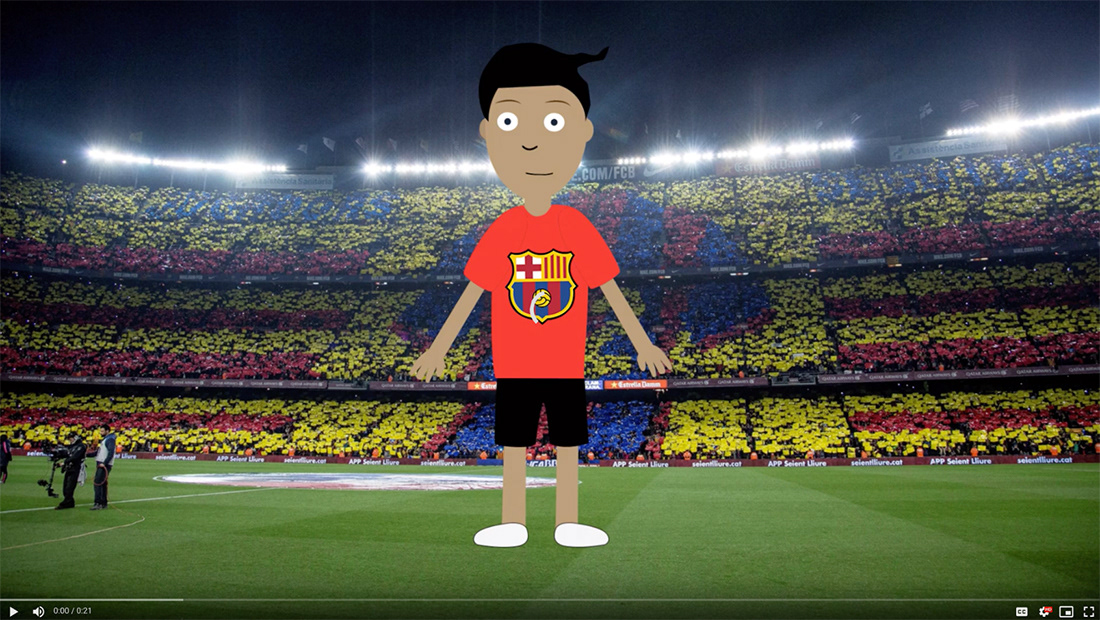
Angel Avila: Leo the Soccer Commentator
Promoting positive, inclusive, unbiased sports commentary for kids and teens (click)
Angel Avila: Leo the Soccer Commentator
Promoting positive, inclusive, unbiased sports commentary for kids and teens (click)
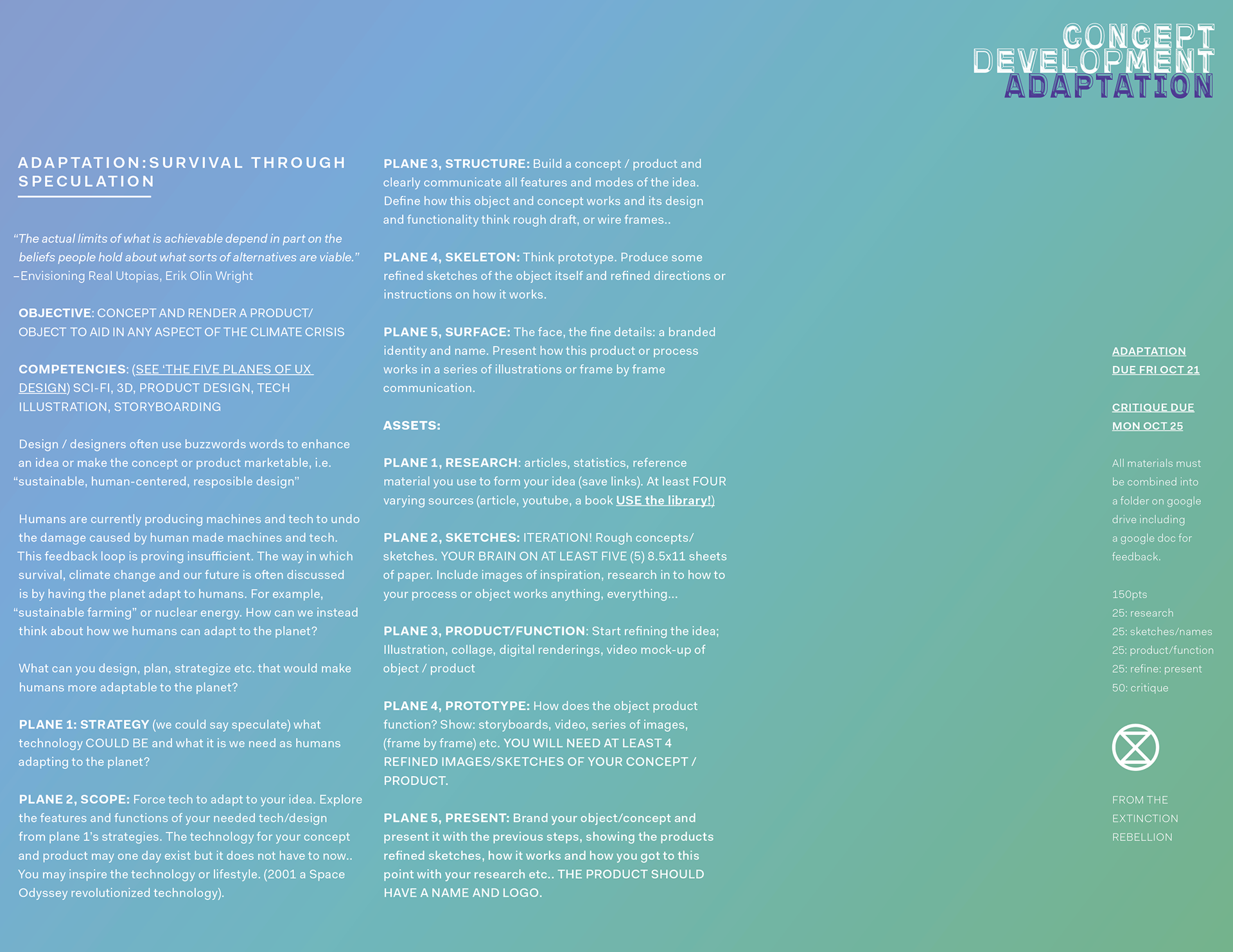
ADAPTATION: SURVIVAL THROUGH SPECULATION (WK 6-8) OVERVIEW HERE
read: Speculative Everything: Design, Fiction and Social Dreaming, Anthony Dunne and Fiona Raby in groups, assigned chapters, and presented subsequent chapters to peers.
read: Speculative Everything: Design, Fiction and Social Dreaming, Anthony Dunne and Fiona Raby in groups, assigned chapters, and presented subsequent chapters to peers.
STUDENT WORK:
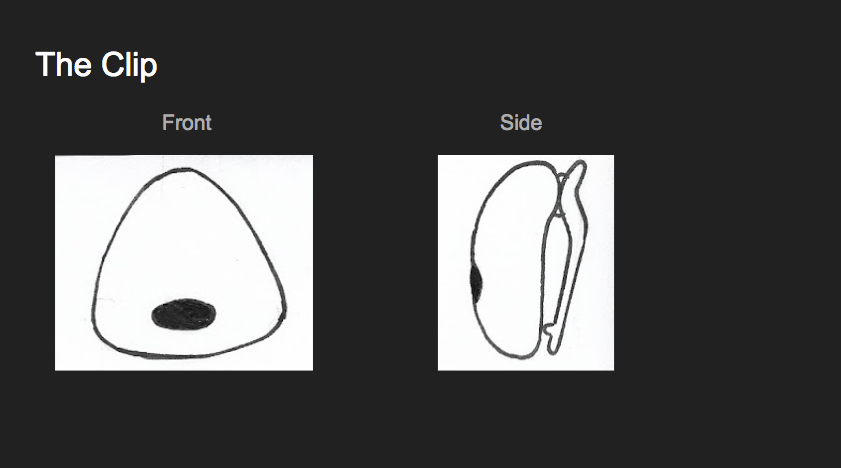
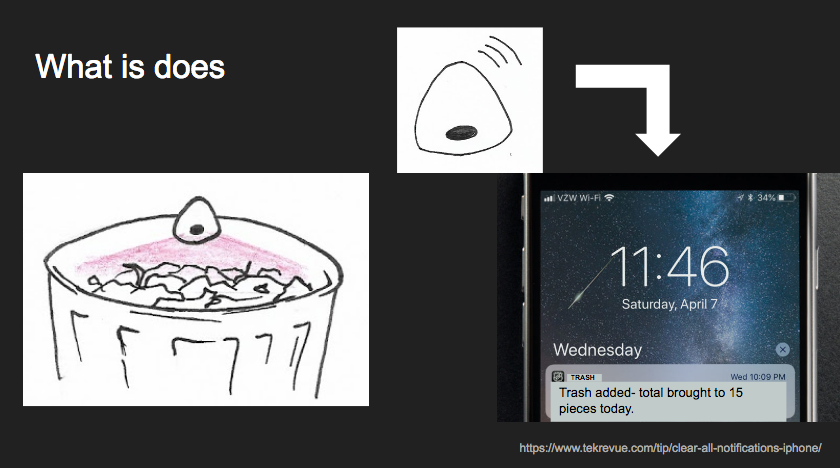
Joshua Bausch: Trash Notifications
Joshua Bausch: Trash Notifications
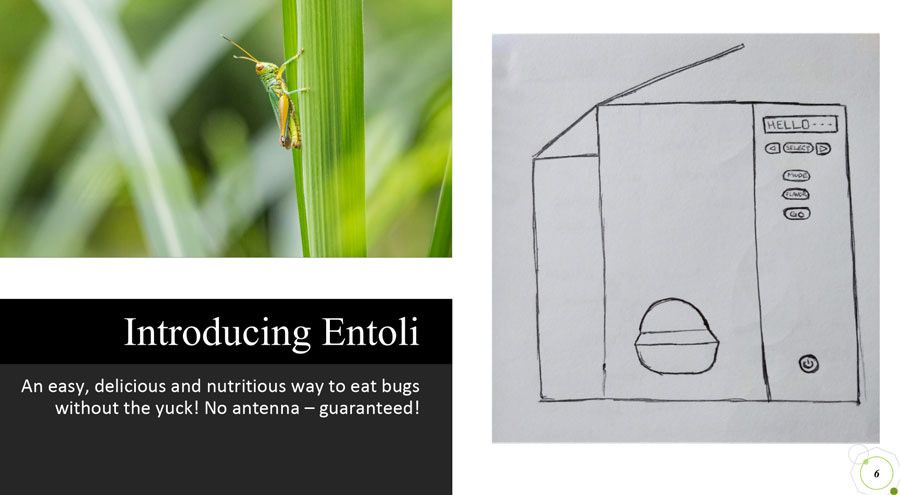
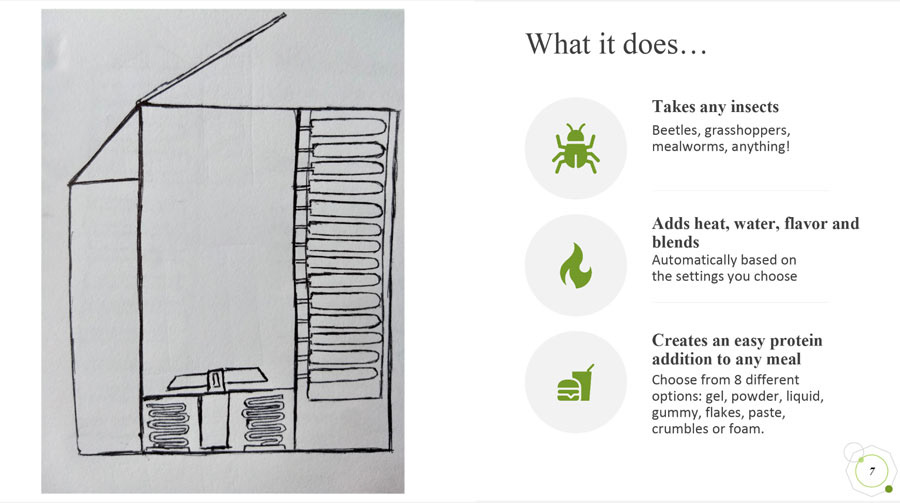
Kit Hand: Entoli, Bug Processor
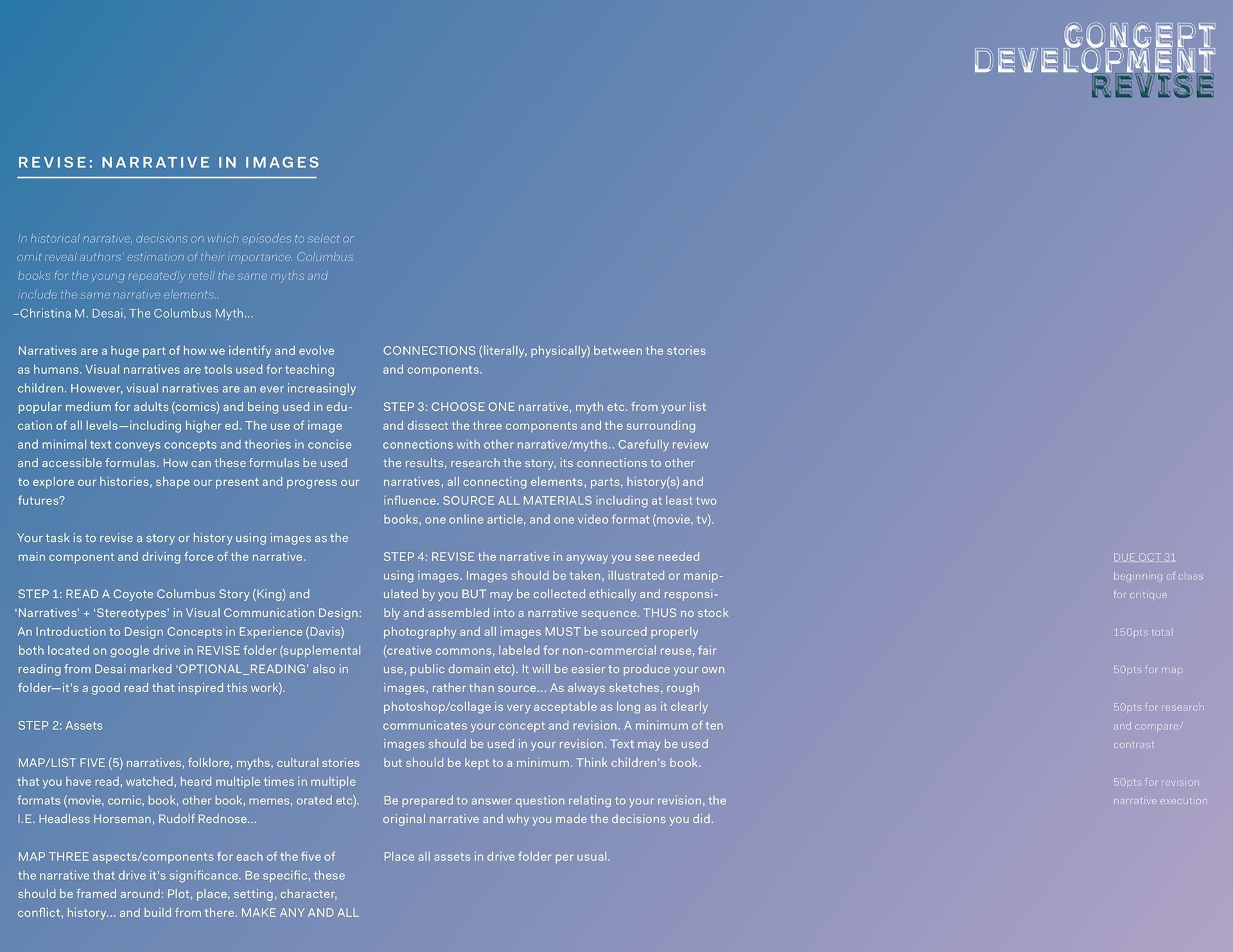
REVISE: NARRATIVE IN IMAGES (WK 8-10) OVERVIEW HERE
STUDENT WORK:
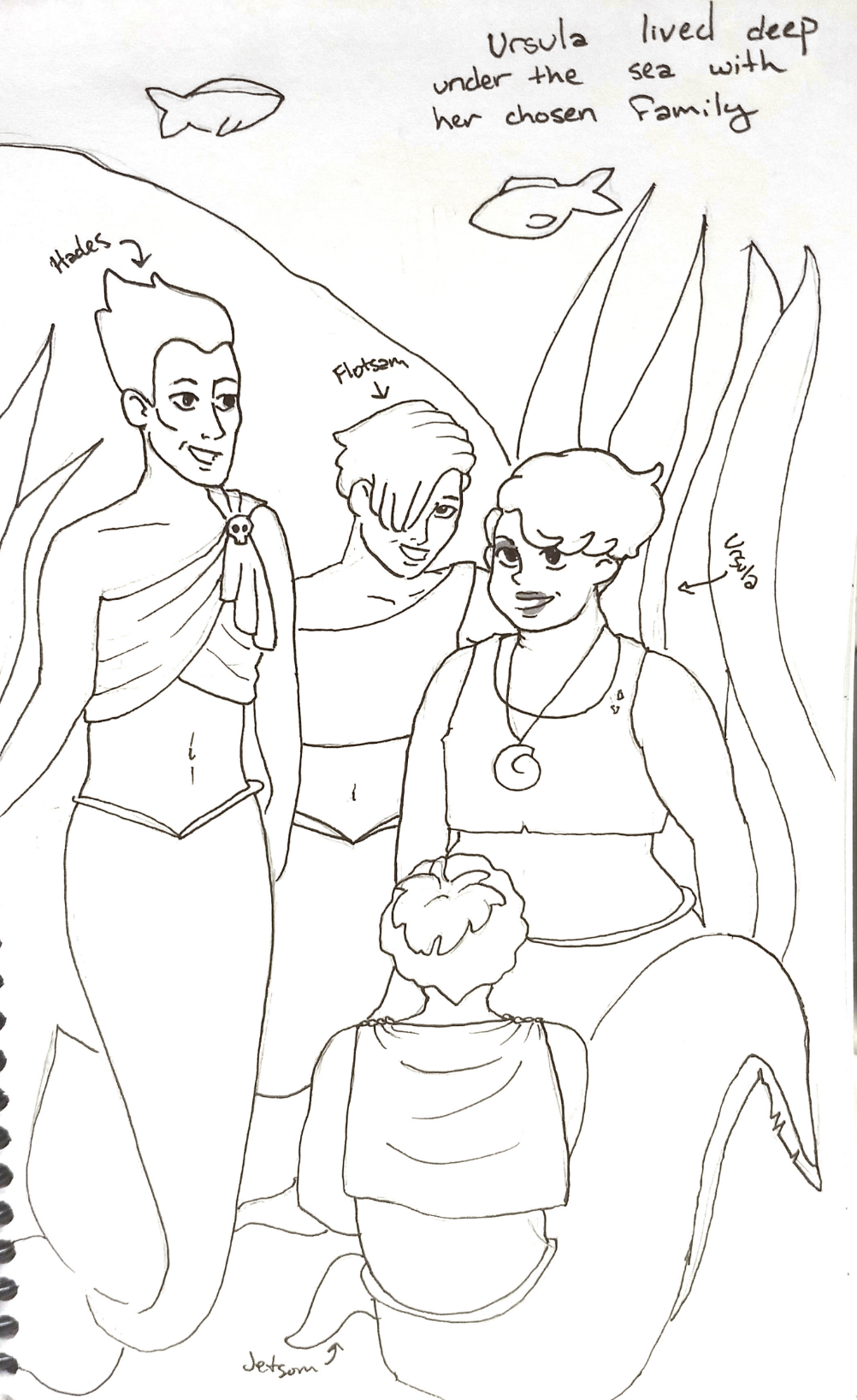
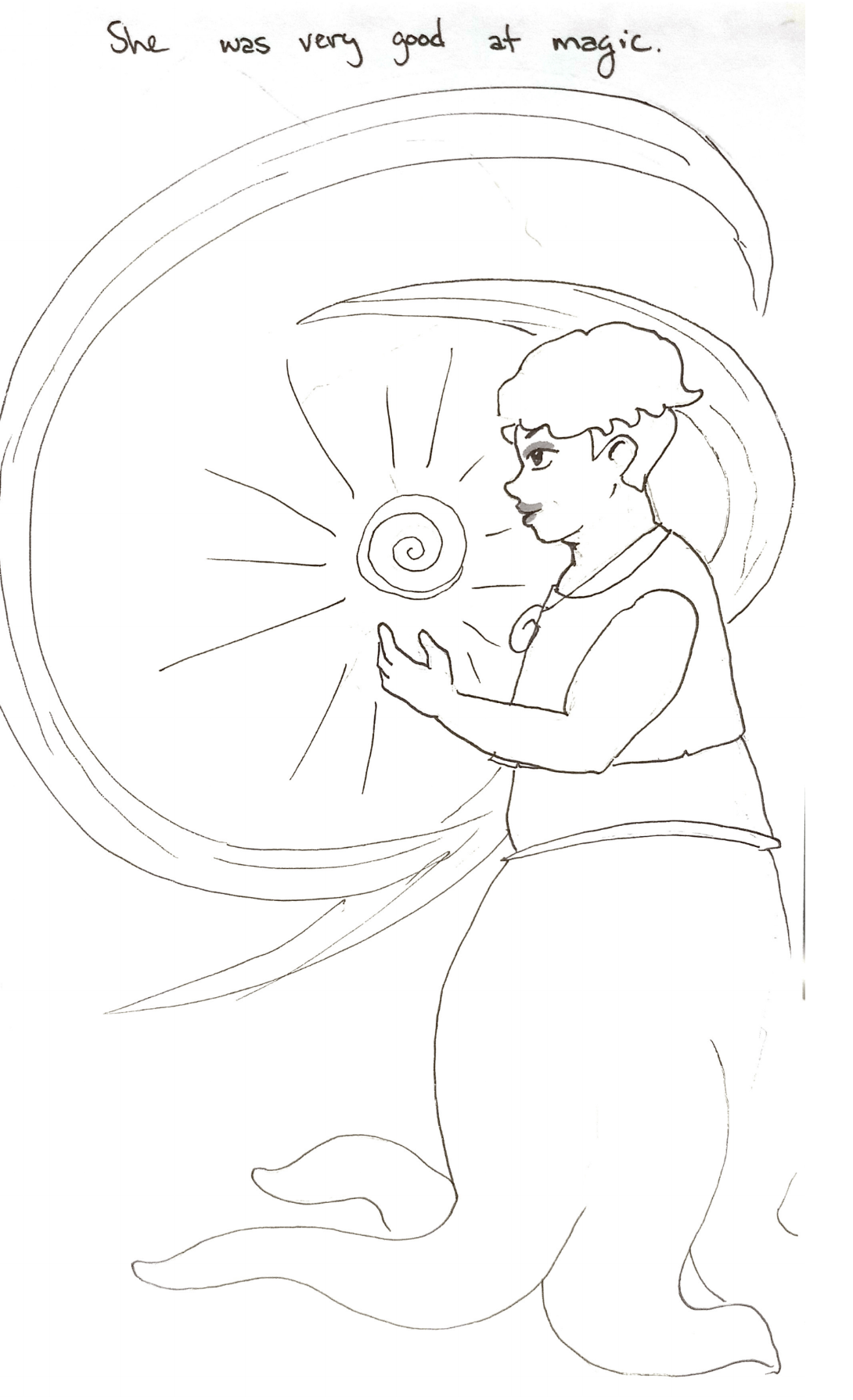
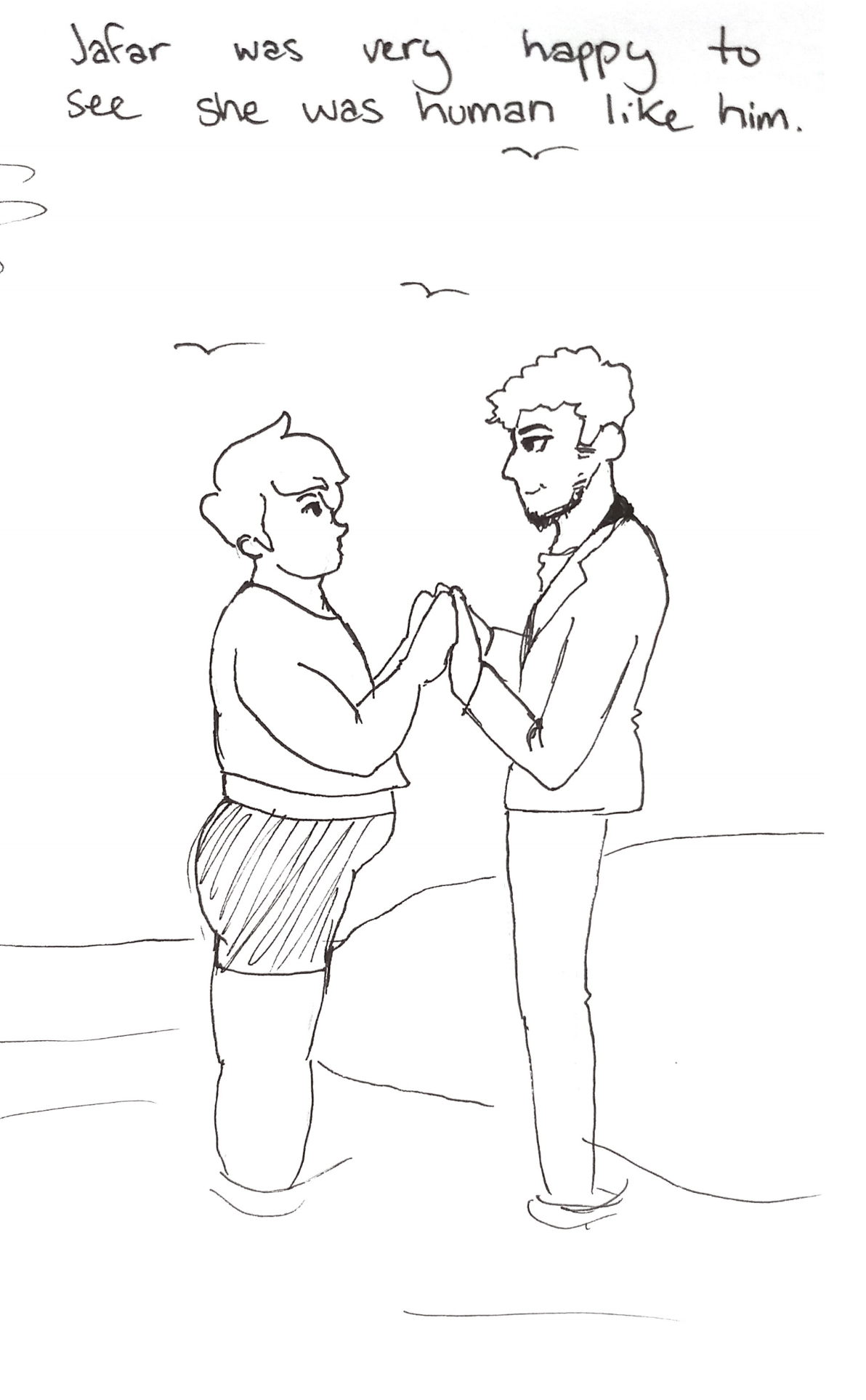
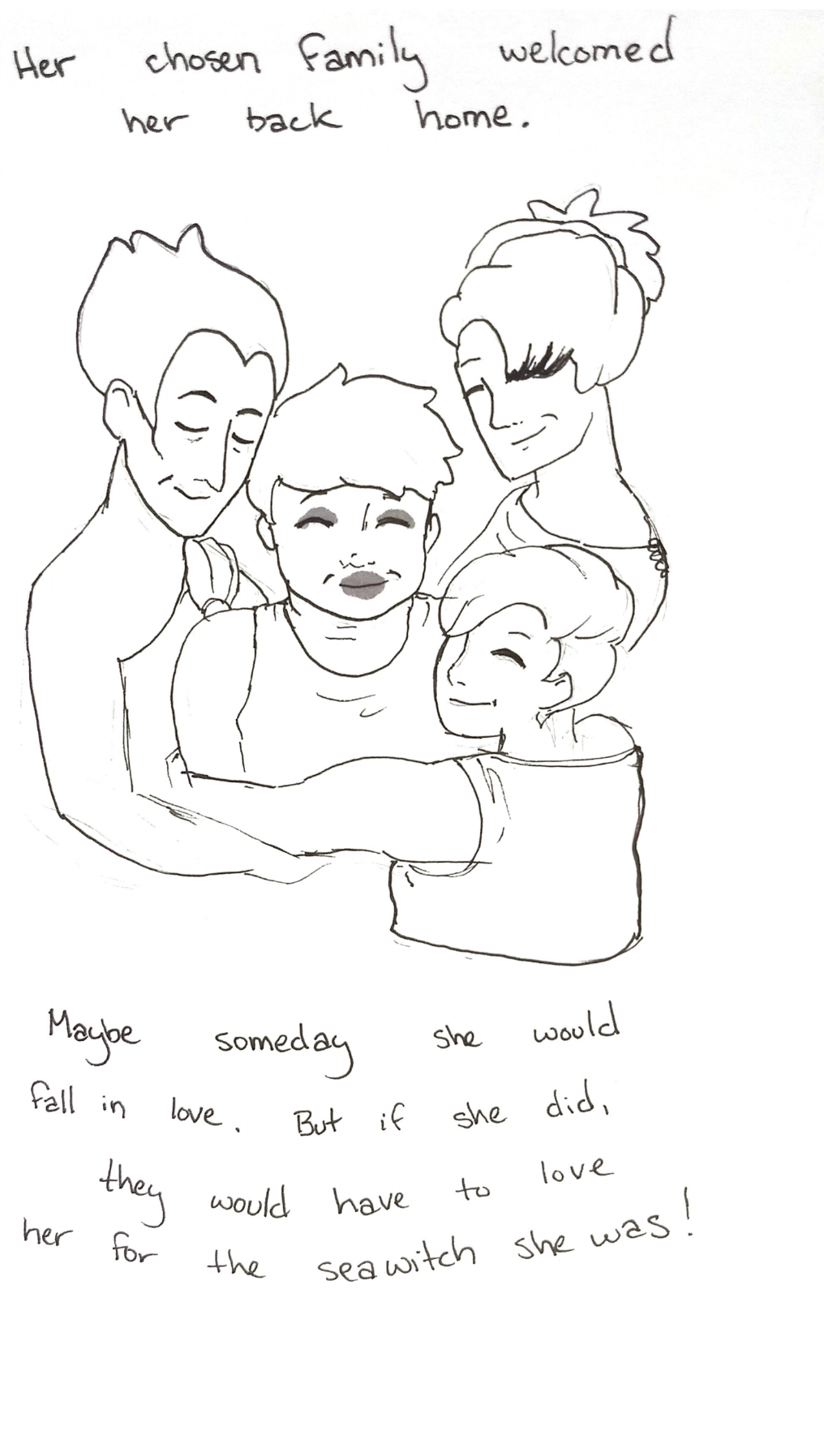
Kit Hand: The Little Seawitch
a revision of The Little Mermaid exploring queer coding and the villains of
children's (primarily Disney) movies
Kit Hand: The Little Seawitch
a revision of The Little Mermaid exploring queer coding and the villains of
children's (primarily Disney) movies
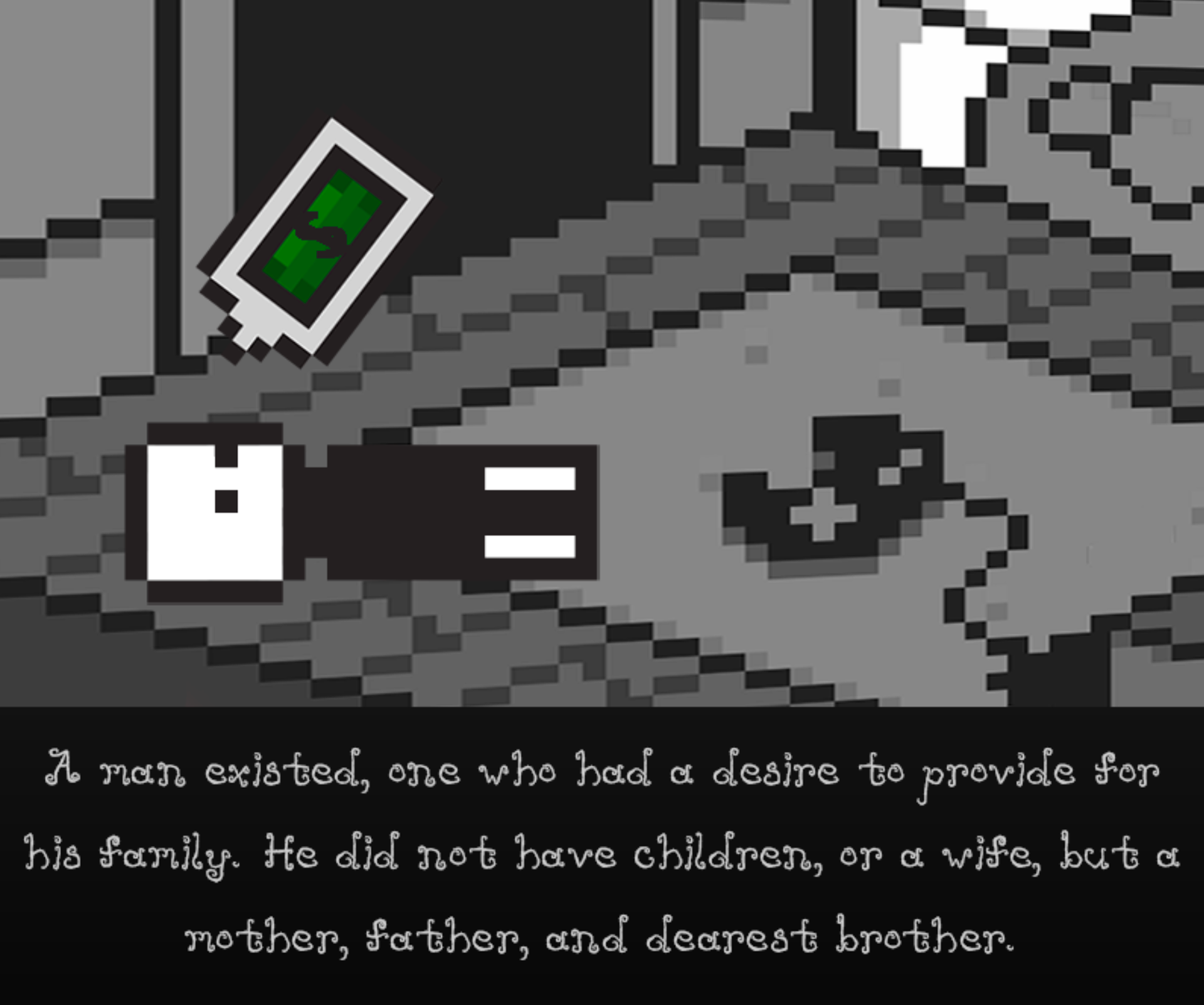
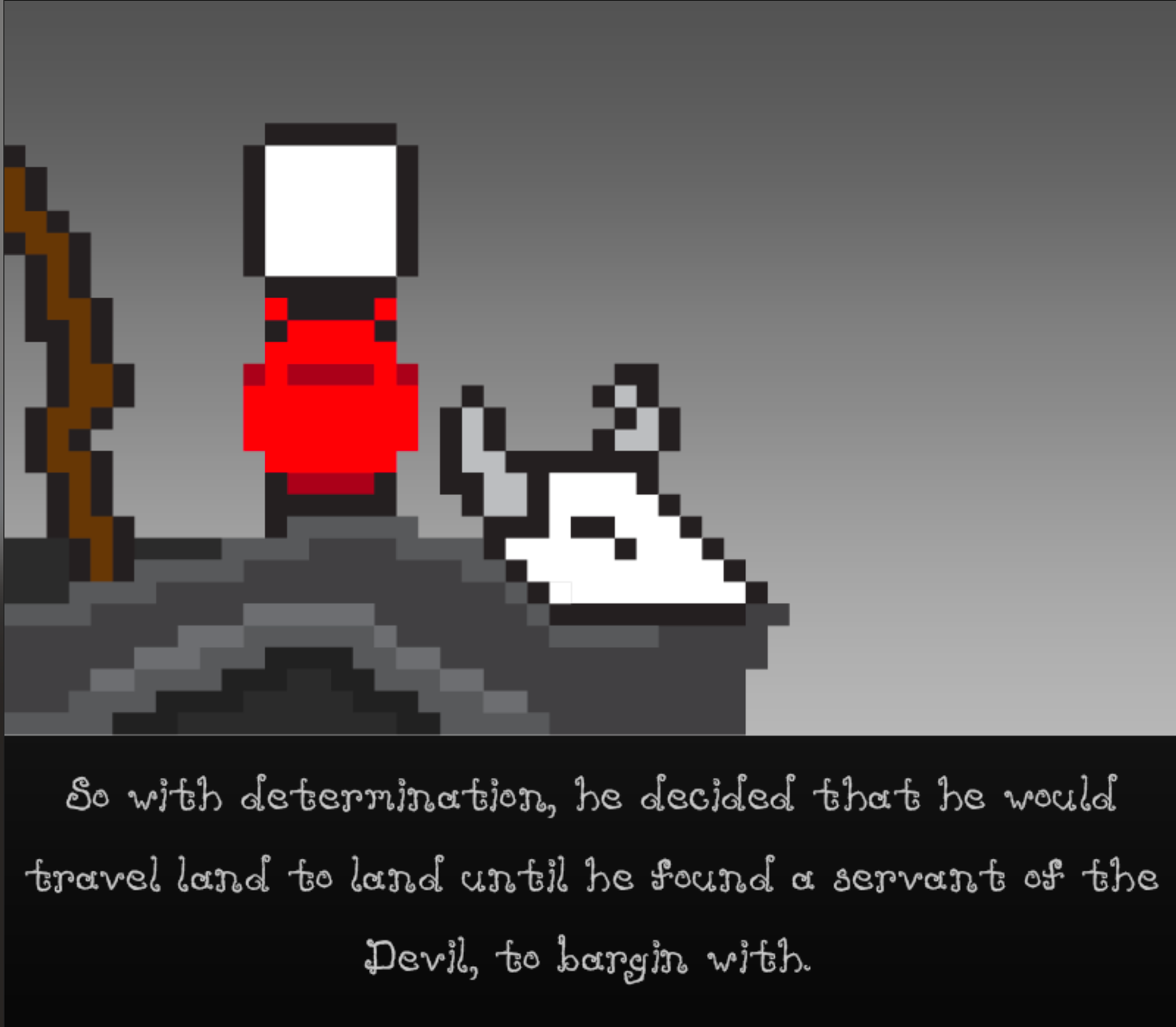
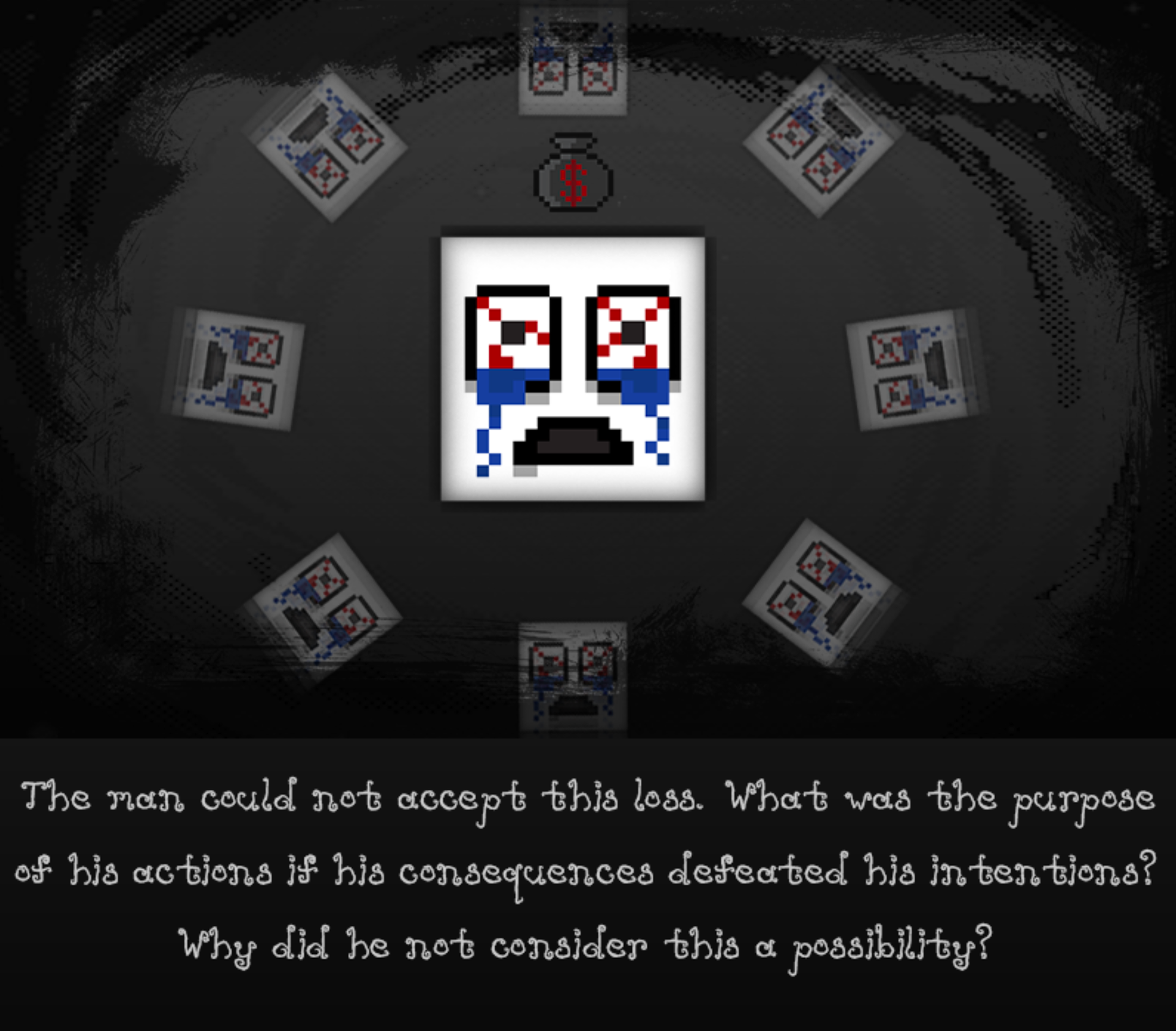
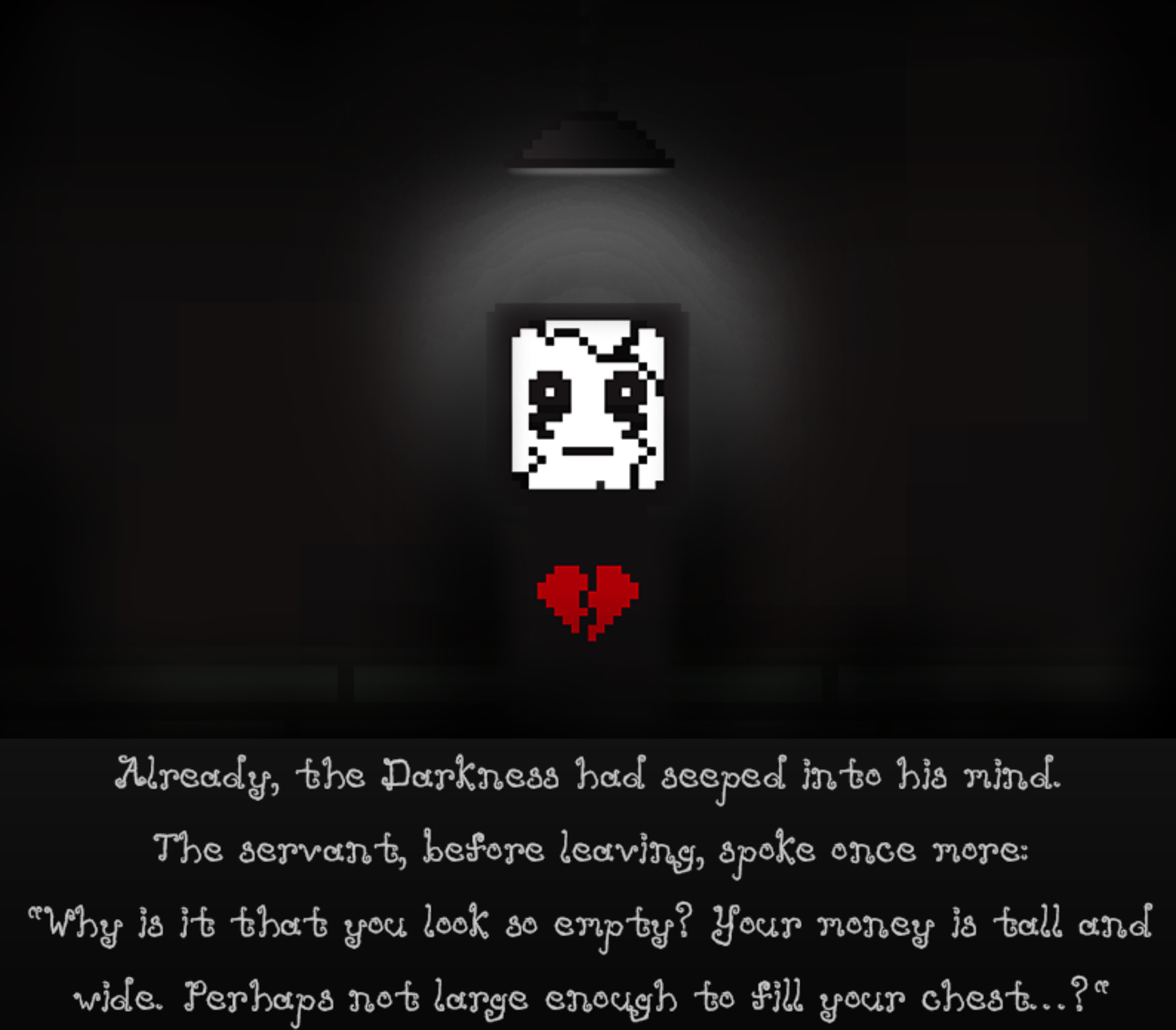
Daniel Hope: Capitalism and Mental Health: a Revision of The Boy Who Fed on Nightmares and Where the Wild Things Are
SCHEMA: DATA VISUALIZATION (WK 10-12) OVERVIEW HERE
STUDENT WORK:
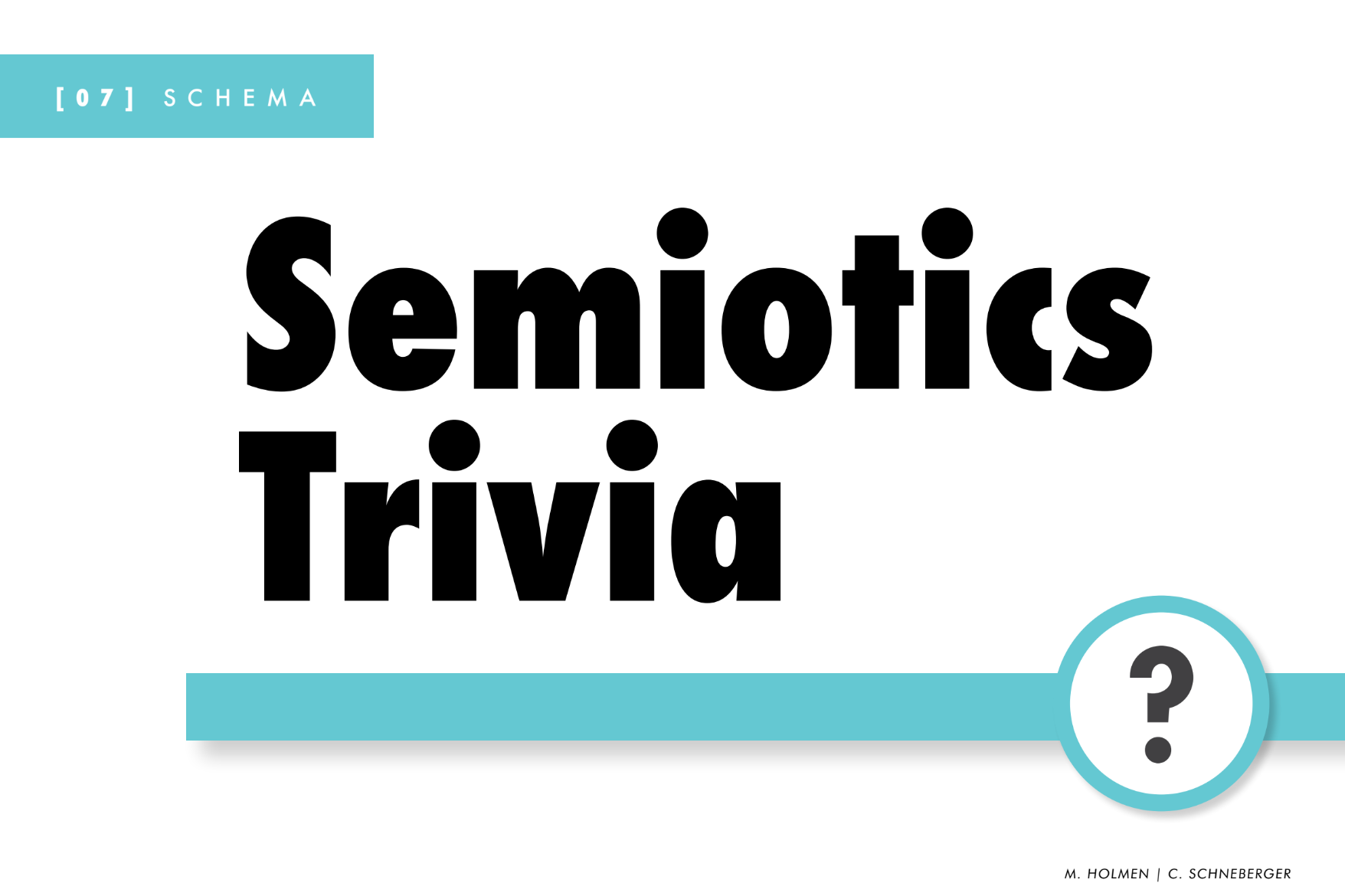
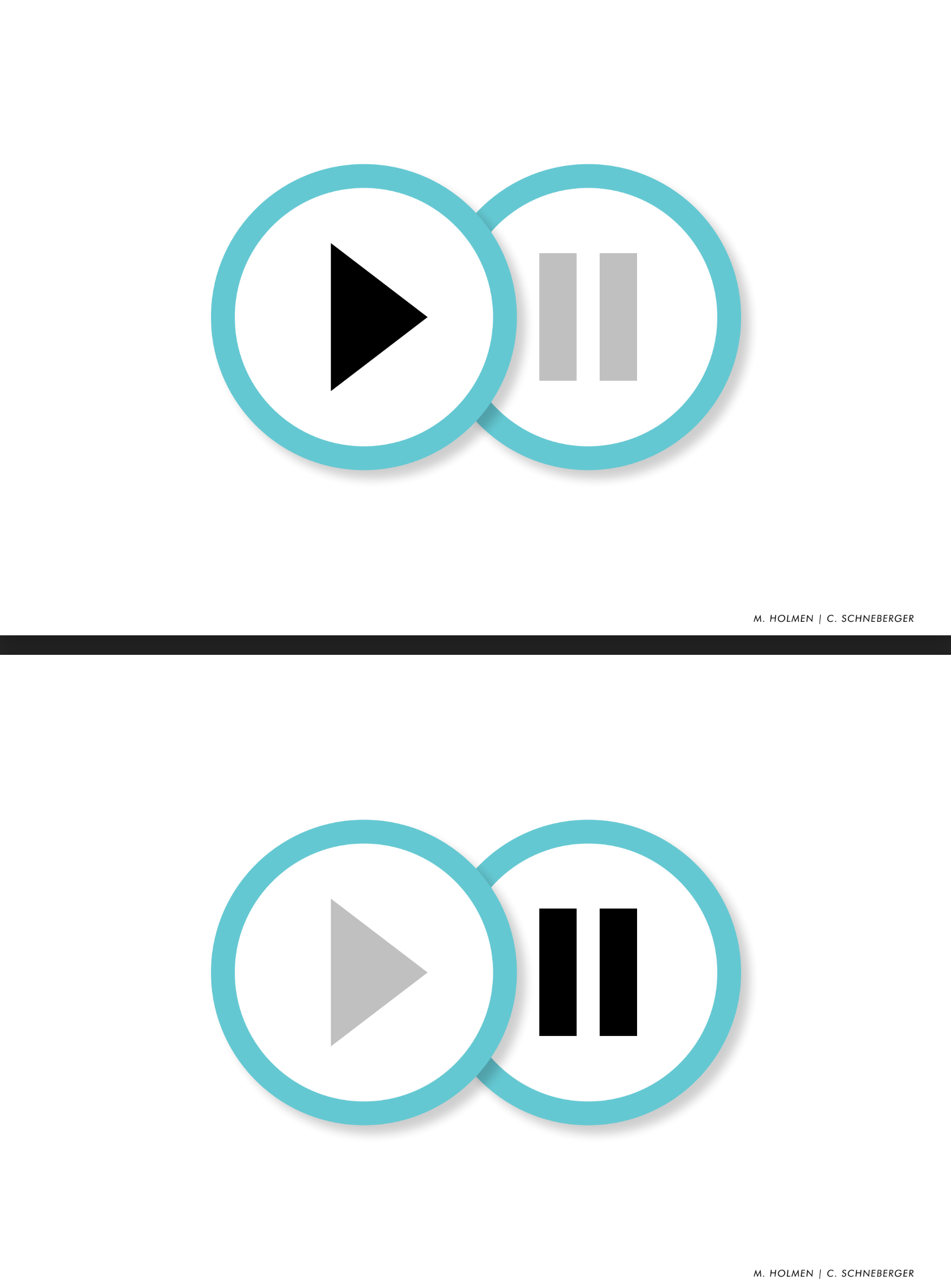
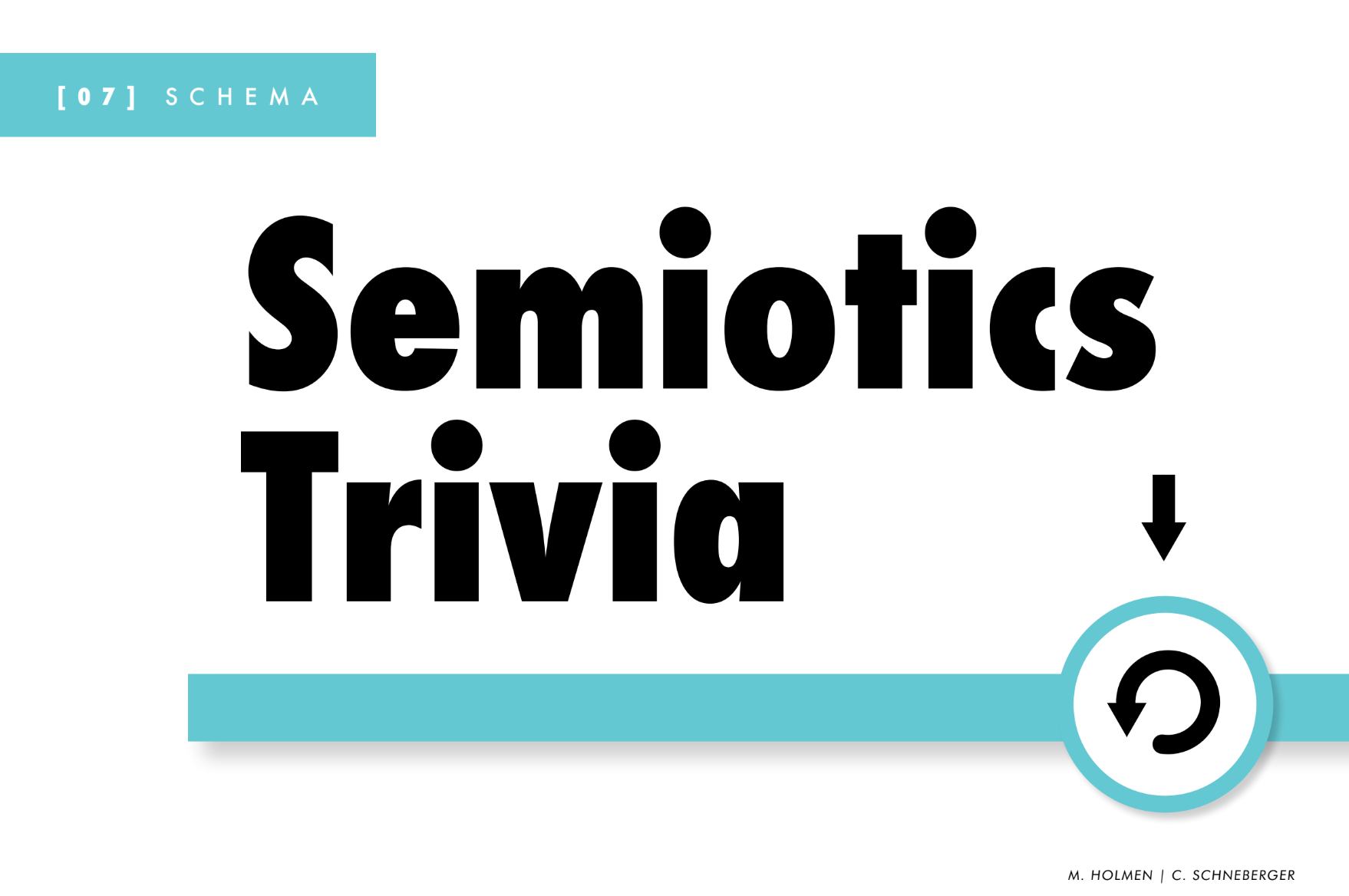
Matt Holmen + Cameron Schneberger: Semiotics Trivia (click for individual imgs)
Matt Holmen + Cameron Schneberger: Semiotics Trivia (click for individual imgs)

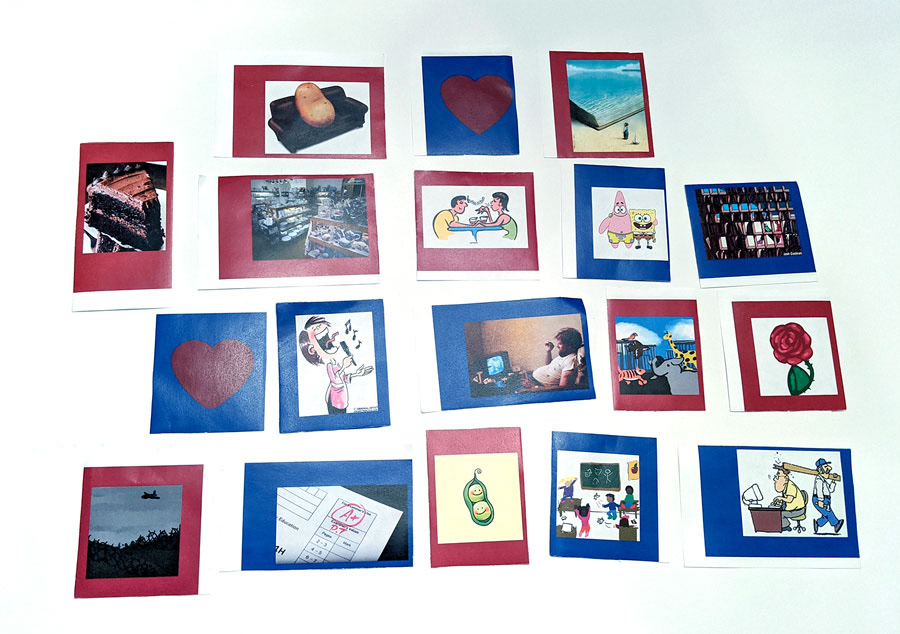
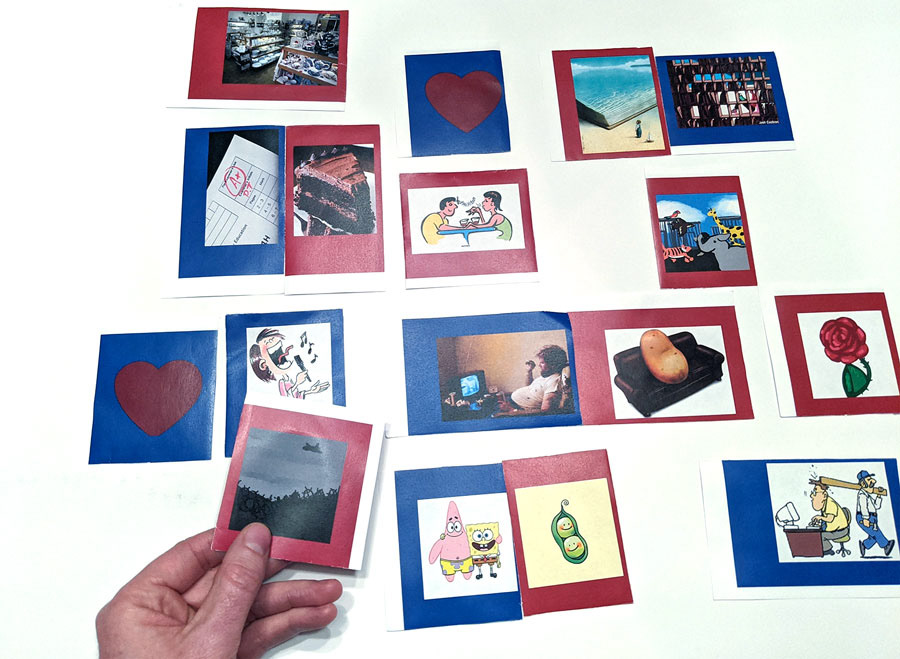
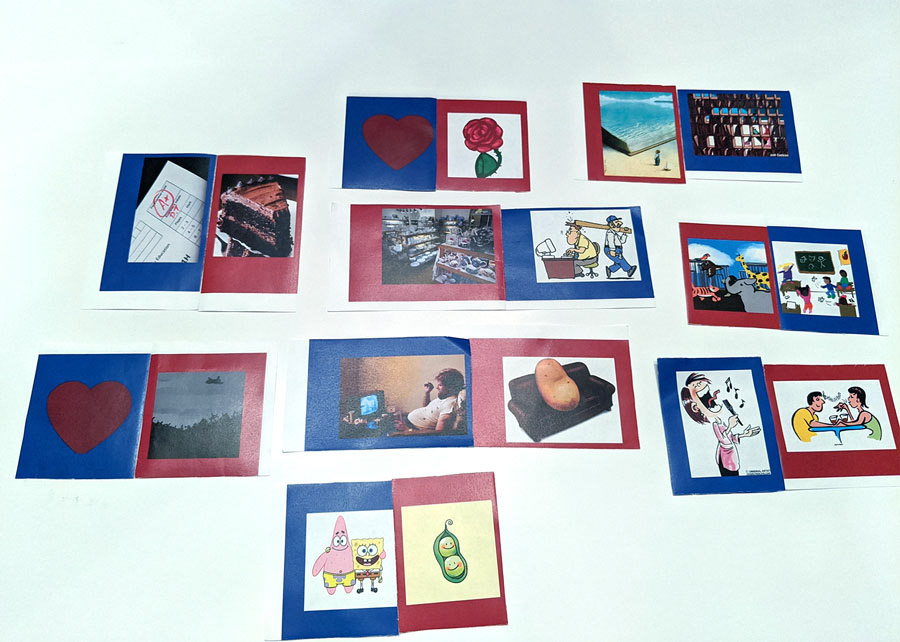
Emma Strieker, Kit Hand, Ashok Rajput: Metaphor Overview in Pictures (organizational puzzle /game)
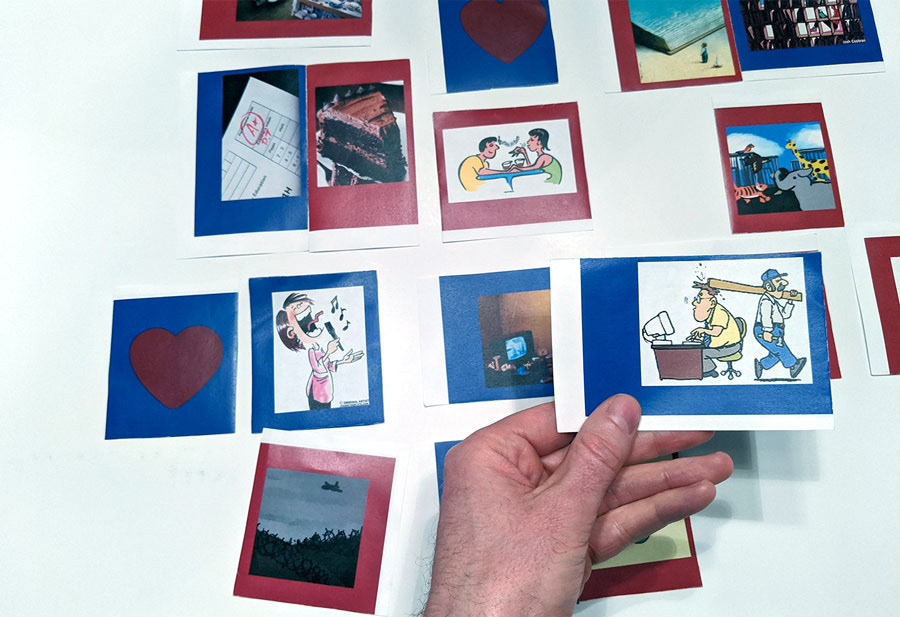
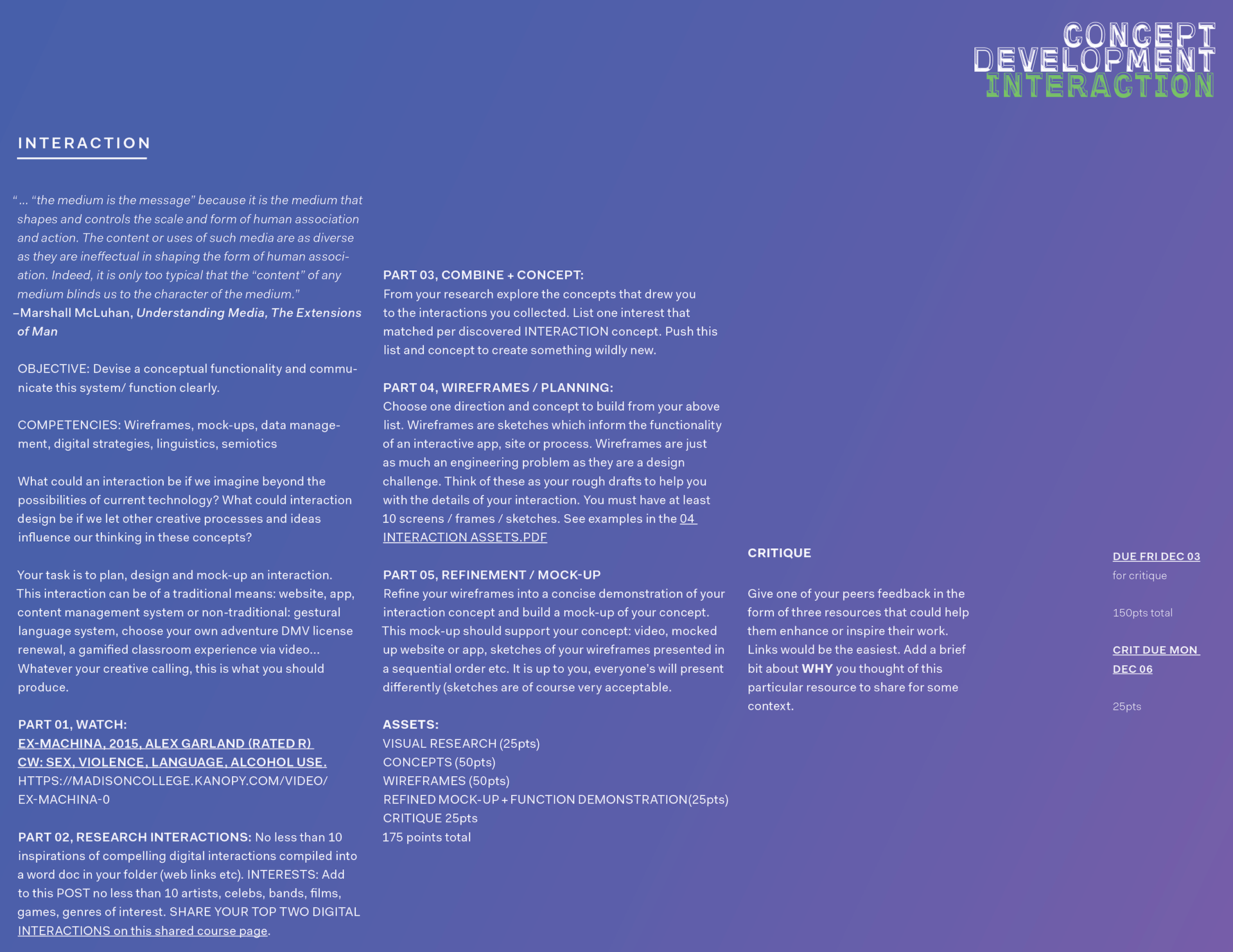
STUDENT WORK
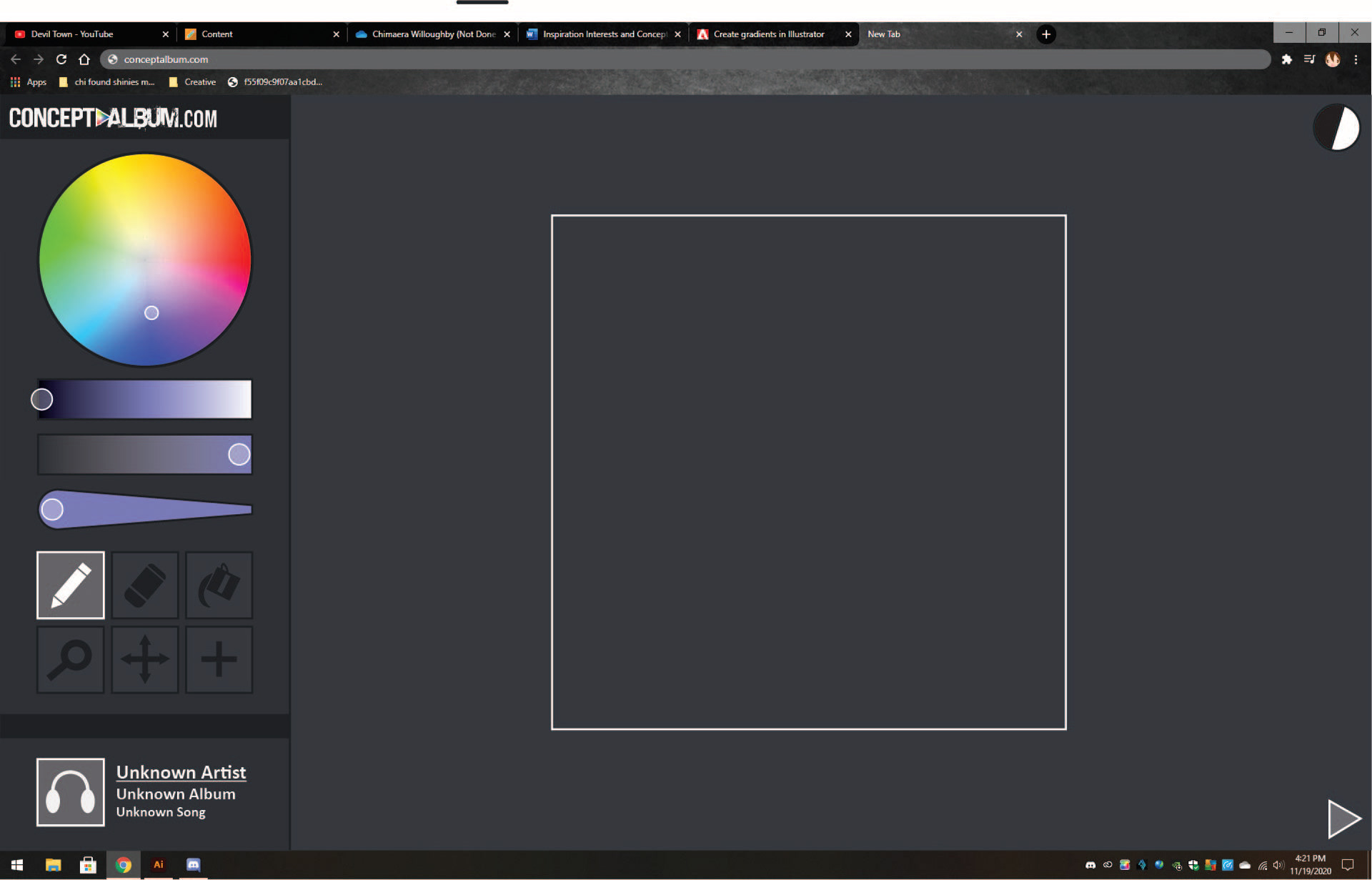
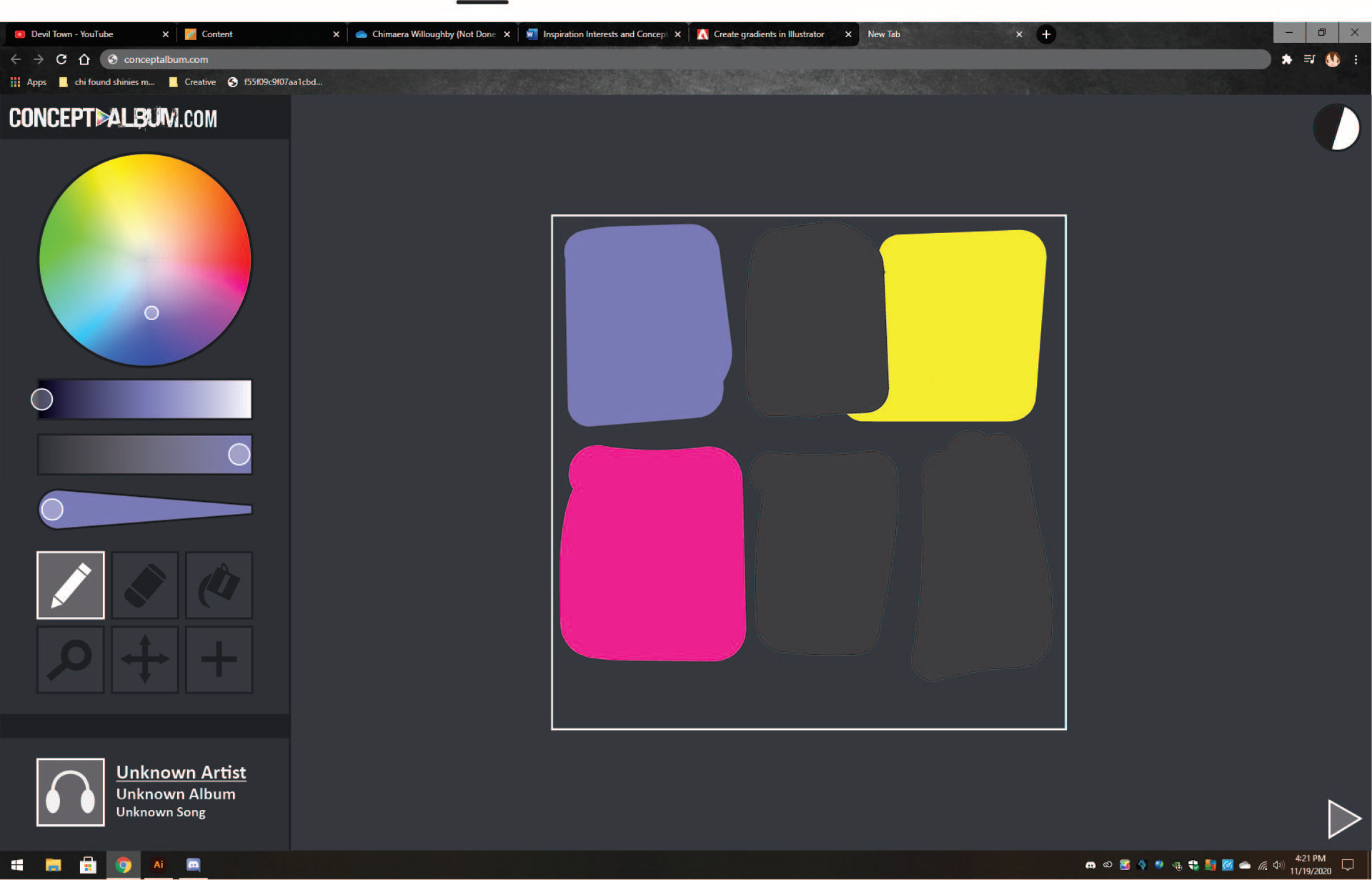
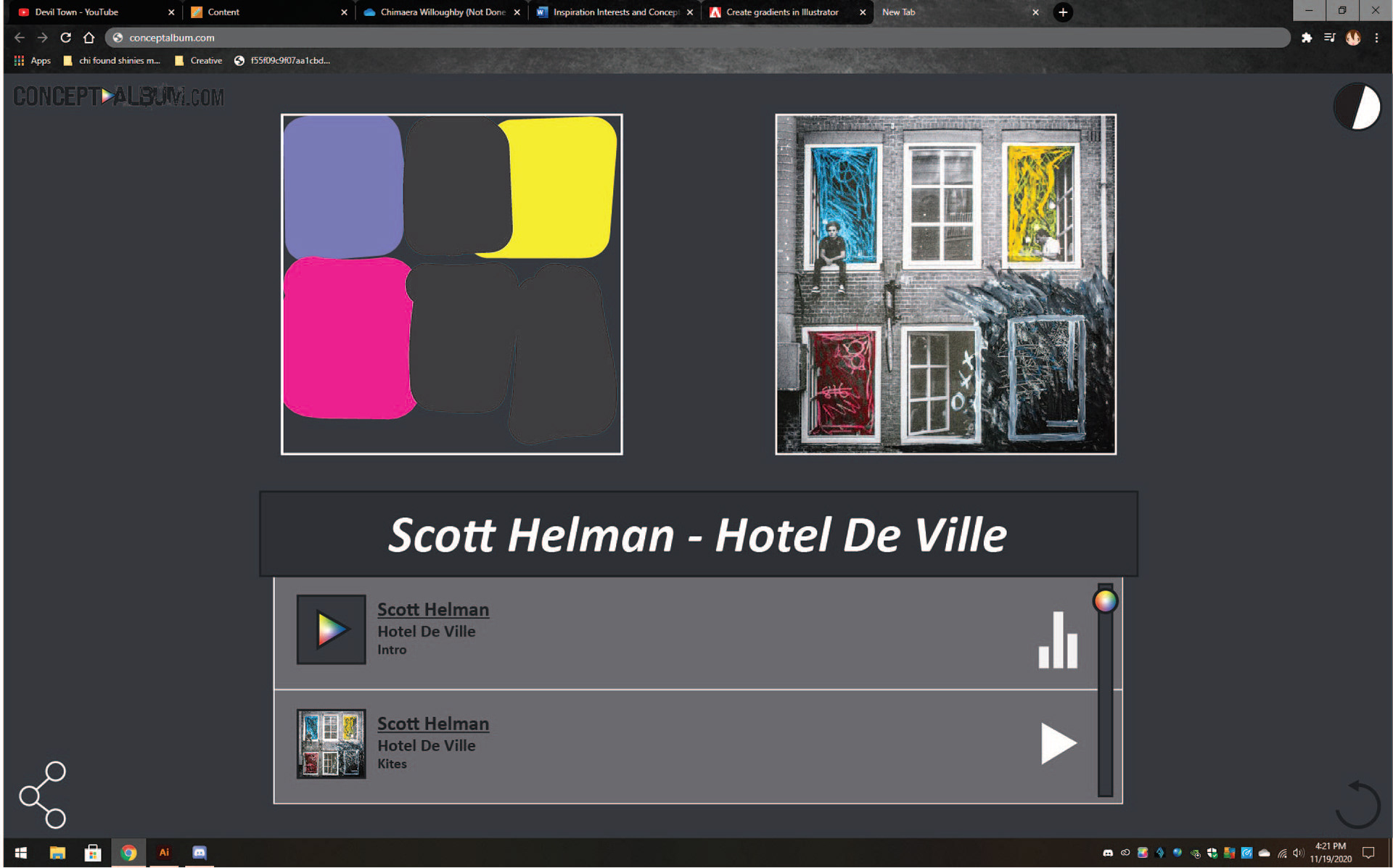
'Concept Album' –draw in the box for the software to search for albums visually, then listen
'Concept Album' –draw in the box for the software to search for albums visually, then listen
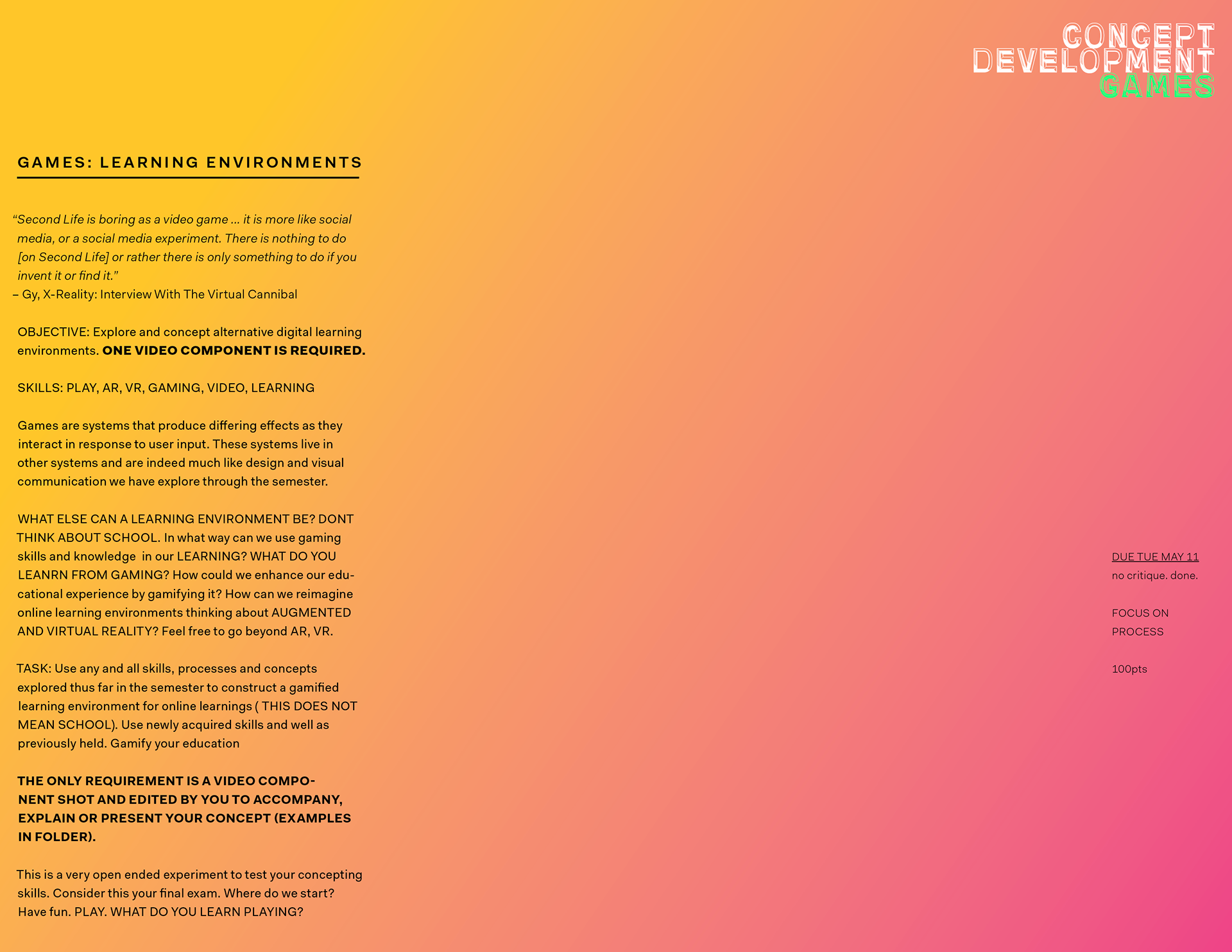
GAMING AR / VR (WK 14-16 Option) OVERVIEW HERE
STUDENT WORK:
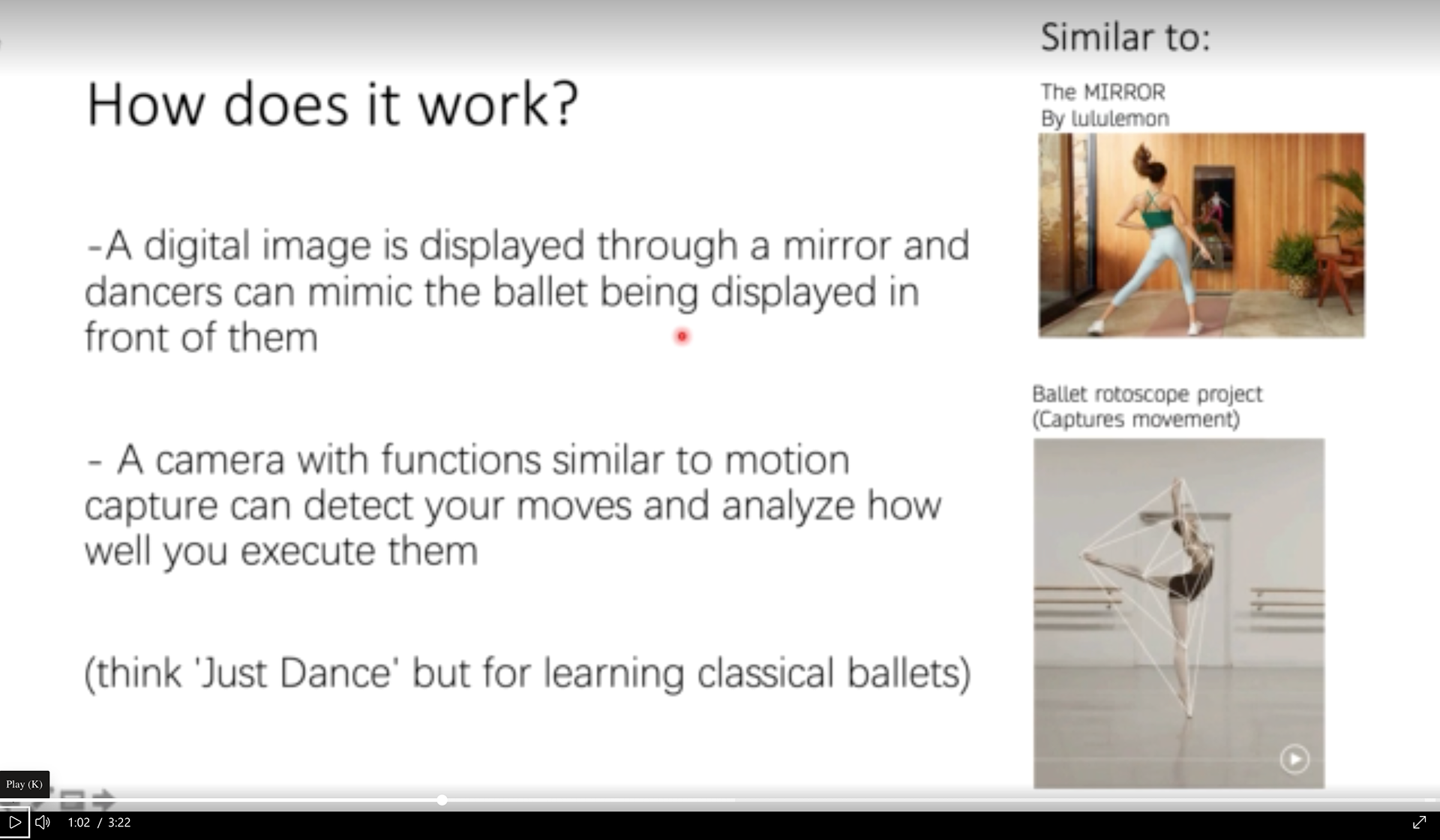
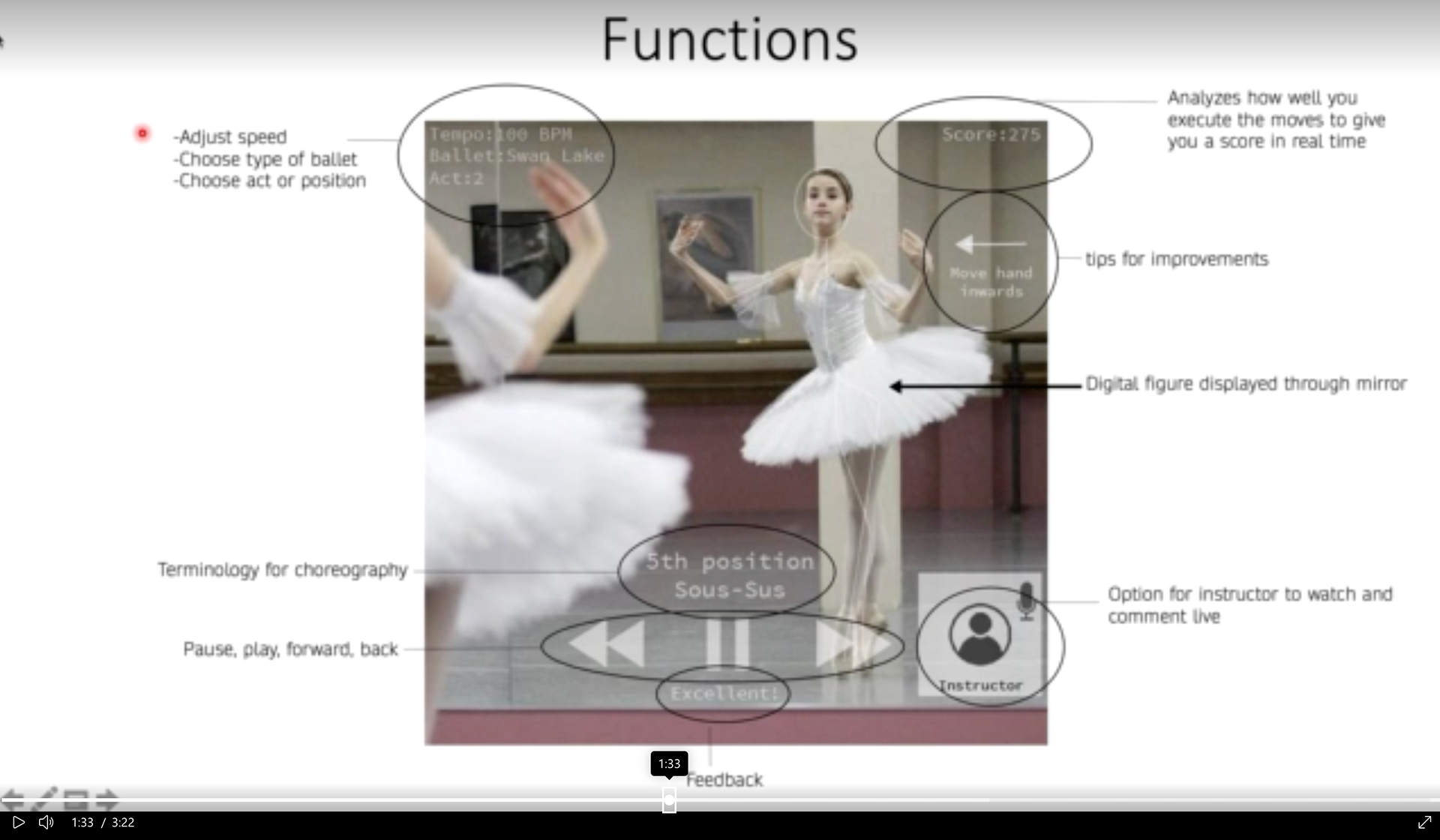
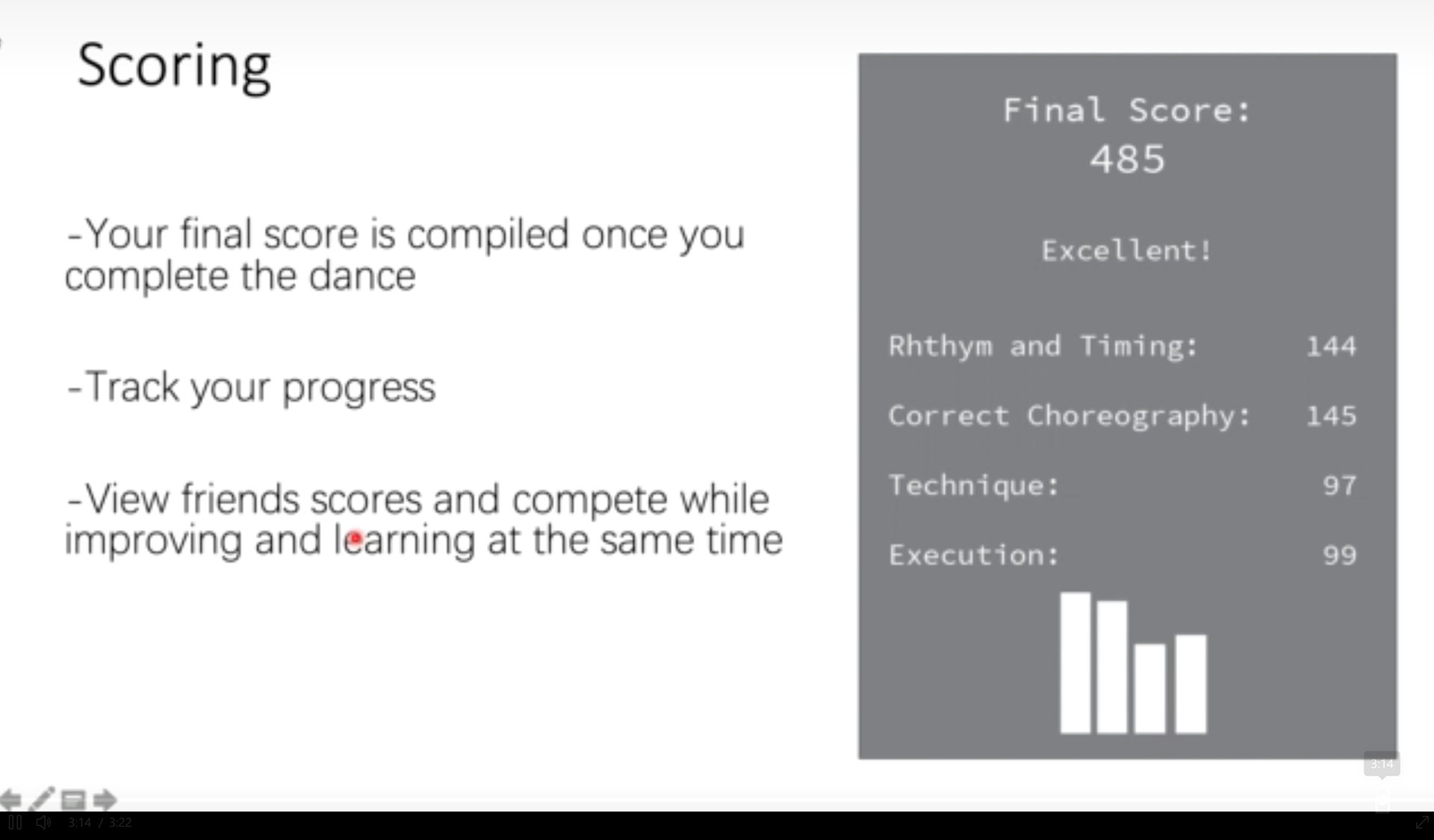
Anonymous, Dance reviews and VR Dance course
Anonymous, Dance reviews and VR Dance course
SYSTEMS (WK 14-16 Option) OVERVIEW HERE
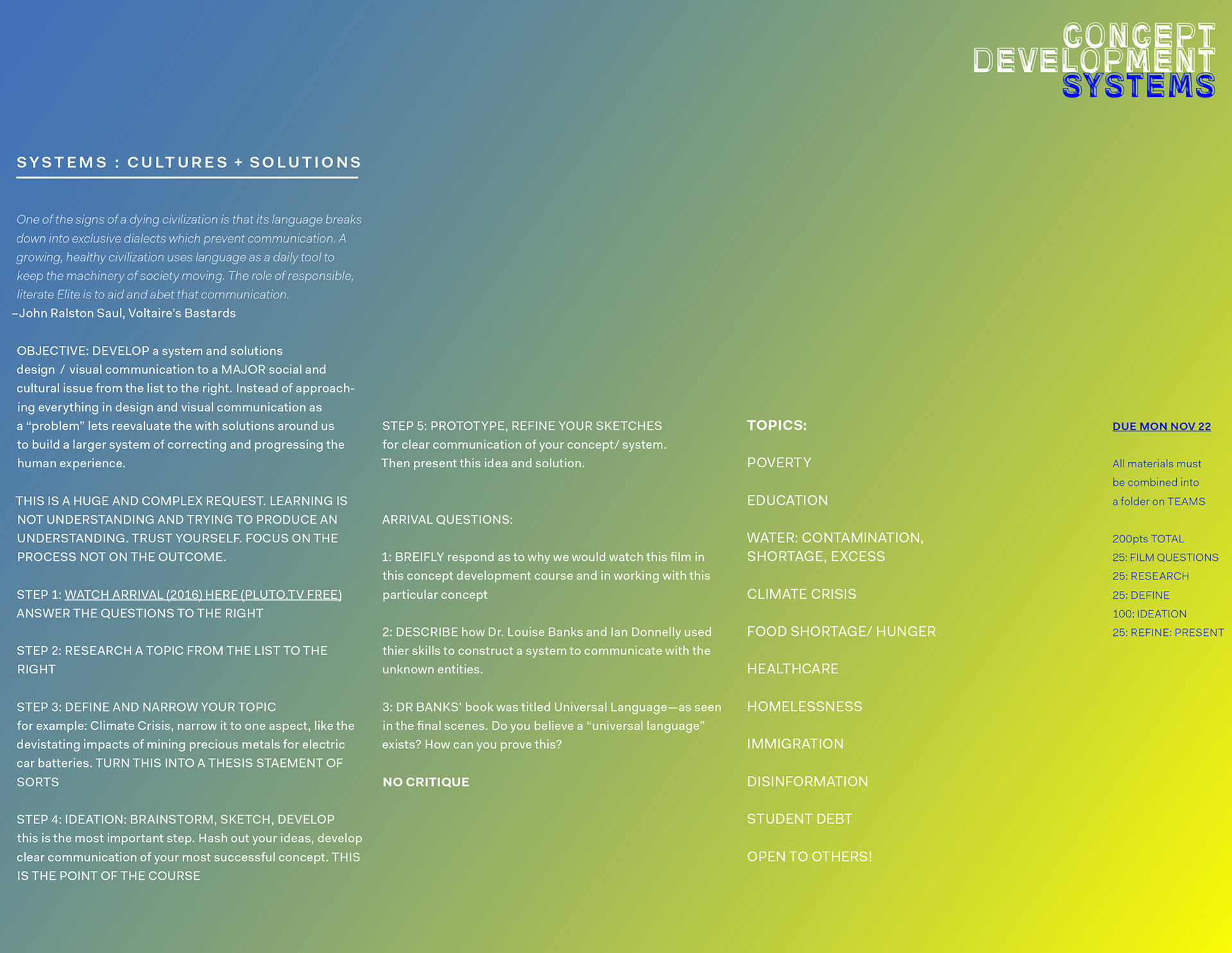
Prompted in three groups: The Long-time Nuclear Waste Warning Messages: "Nuclear Semiotics" was the topic. One group of self-identified "strong readers" read the wikipedia, and a short publication. A second group listened to a podcast on the topic, and the third group watched a video essay. Collectively, we shared our knowledge, discussing literacy and media in our differences of understanding and information retention, and comprehension via language format. We then discussed "Wicked Problems" and watched Arrival, a film centered around decoding an alien language. THEN we developed systems around "Wicked Problems" while challenging the topic itself.
Prompted in three groups: The Long-time Nuclear Waste Warning Messages: "Nuclear Semiotics" was the topic. One group of self-identified "strong readers" read the wikipedia, and a short publication. A second group listened to a podcast on the topic, and the third group watched a video essay. Collectively, we shared our knowledge, discussing literacy and media in our differences of understanding and information retention, and comprehension via language format. We then discussed "Wicked Problems" and watched Arrival, a film centered around decoding an alien language. THEN we developed systems around "Wicked Problems" while challenging the topic itself.
STUDENT WORK:
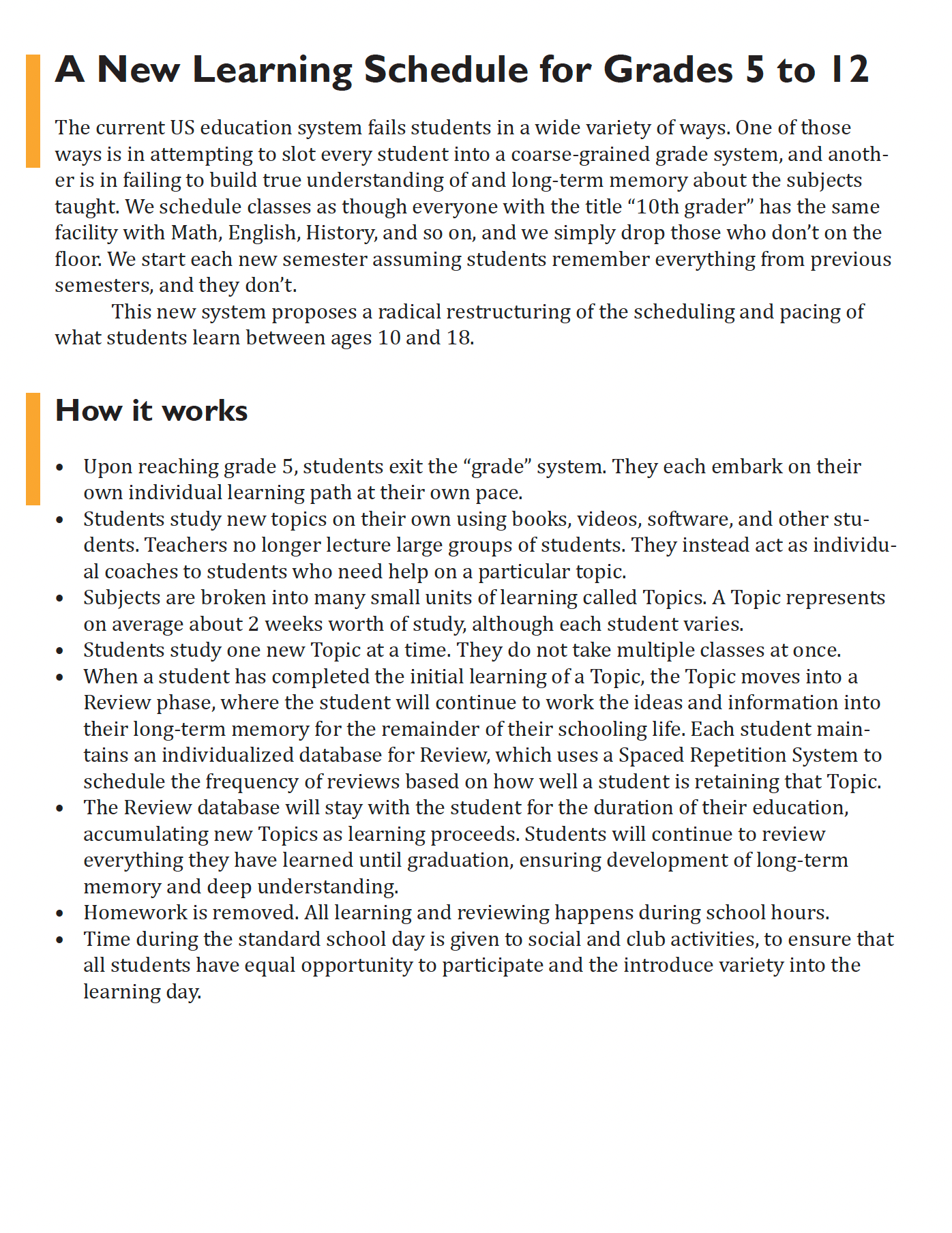
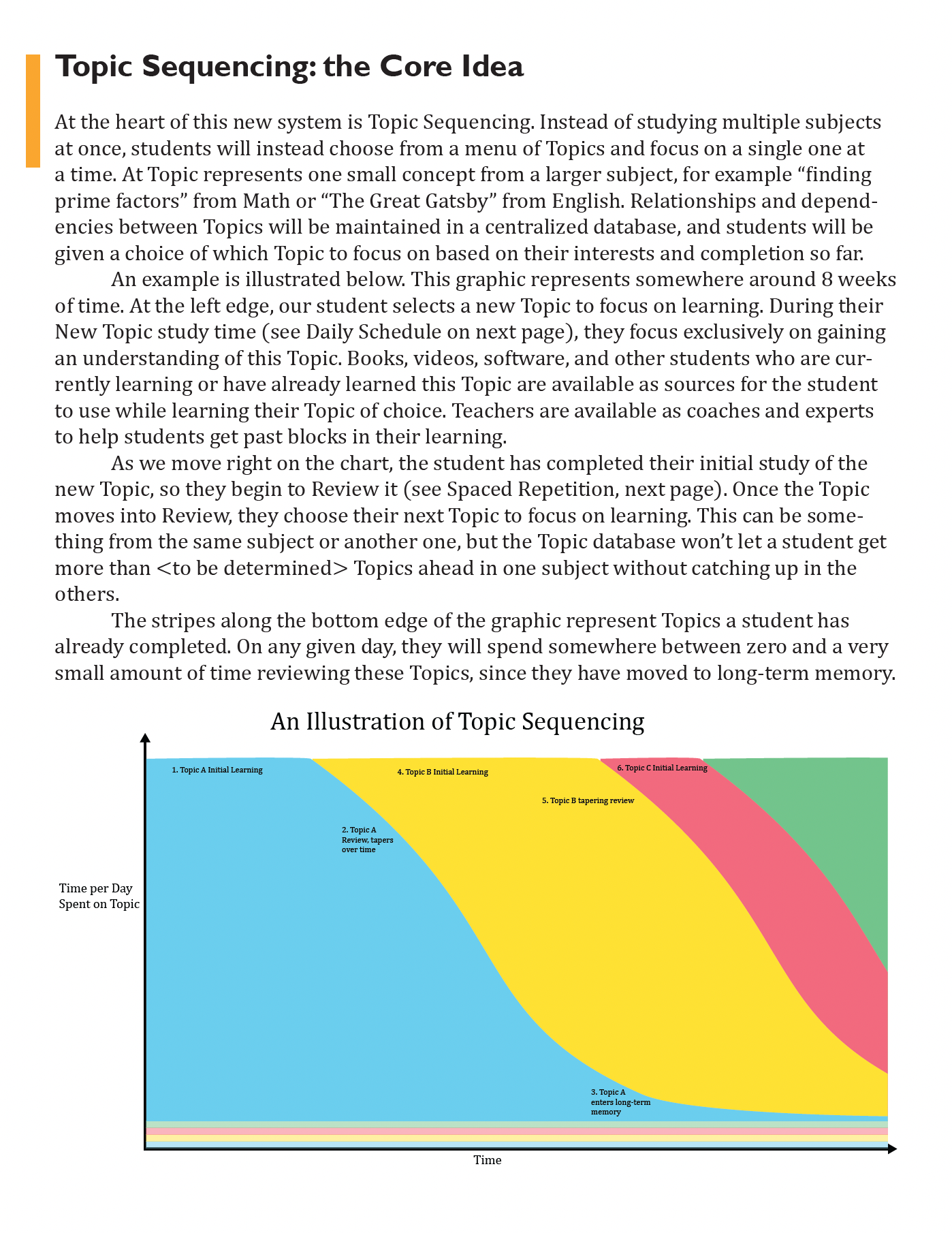
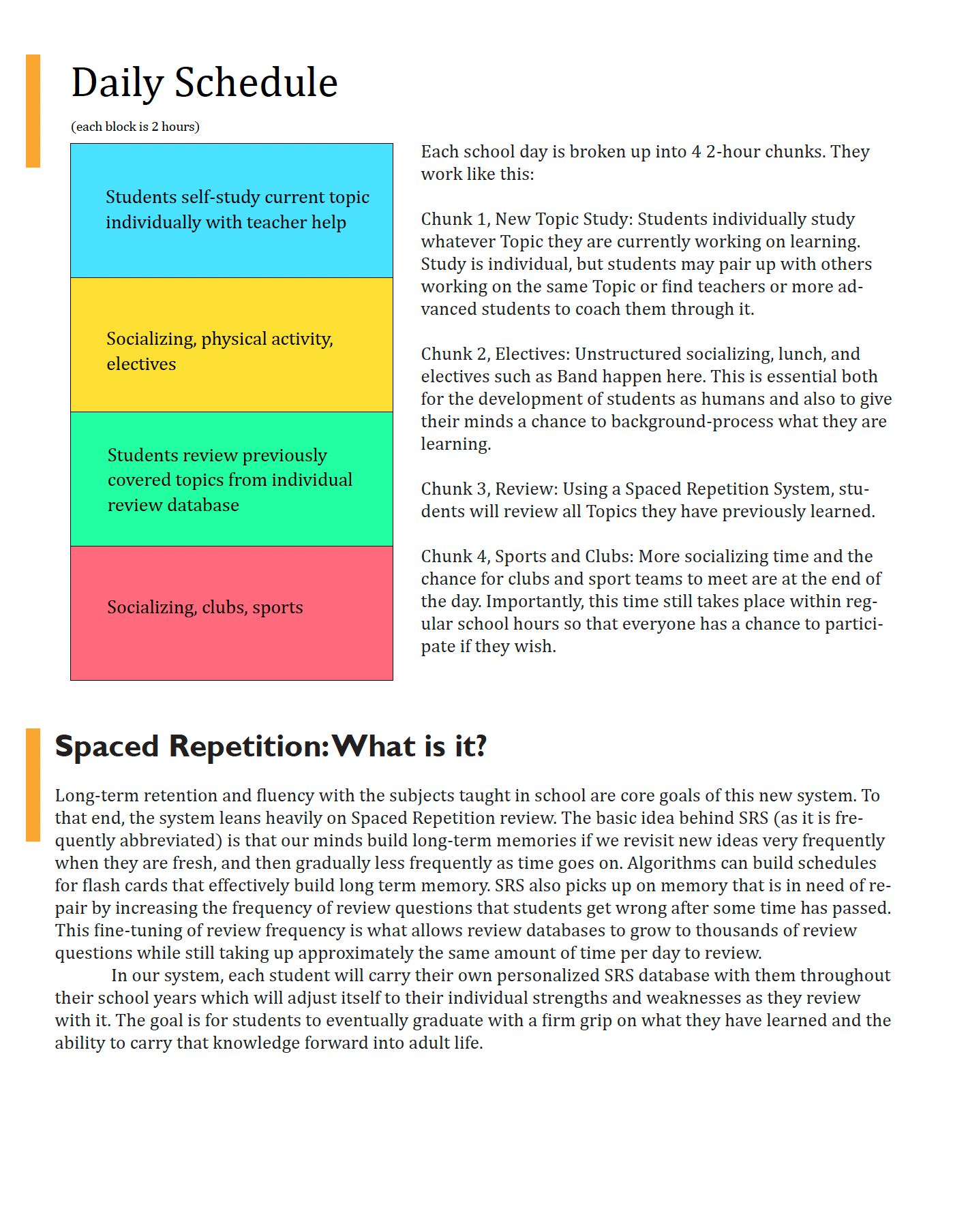
Casey Brant, A New Learning Schedule for Grades 5 to 12
Casey Brant, A New Learning Schedule for Grades 5 to 12